Uriconian, Geological formation near Shropshire, United Kingdom
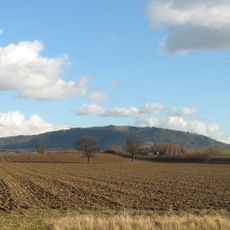
The Uriconian is a volcanic rock formation in Shropshire made up of basalt, andesite, and rhyolite spread across the Welsh Borderland region. The rocks are divided into Eastern and Western groups, each showing different compositions that reveal separate volcanic events.
These rocks formed during the Precambrian period around 570 to 550 million years ago when Britain lay much farther south than today. The volcanic activity that created them has left its mark on the landscape as layers of rock you can see in outcrops across the region.
The name comes from Uriconium, a Roman settlement that once stood in this region, linking the rocks beneath your feet to ancient human presence. This connection reminds visitors that the same land witnessed both volcanic eruptions and later civilization.
Multiple outcrops of these rocks are scattered across Shropshire and can be visited to see the volcanic layers firsthand. Wear sturdy footwear as terrain varies, and check access conditions at each site since some areas may have restrictions.
The rocks preserve flow patterns from ancient volcanic activity, acting like frozen records of how magma moved during eruptions hundreds of millions of years ago. These patterns allow scientists to read the story of the volcanic processes that shaped them.
The community of curious travelers
AroundUs brings together thousands of curated places, local tips, and hidden gems, enriched daily by 92,768 contributors worldwide.