Westhoughton Mill, Industrial mill in Westhoughton, England
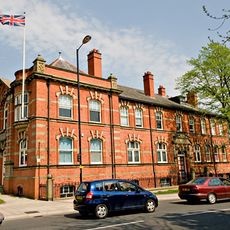
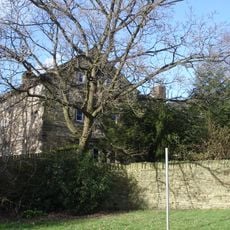
Westhoughton Mill is a four-story brick building with large windows and tall chimneys, typical of Lancashire cotton mills from the 1800s. The structure served different purposes over time, beginning as a cotton mill, converting to grain processing, and then returning to cotton production.
The building was constructed in 1804 by Richard Johnson Lockett and became a flashpoint in 1812 when Luddite protesters set it on fire to resist mechanized manufacturing. The attack and subsequent arrests made the area unwelcome for mill development for decades afterward.
The building marks the shift from home-based weaving to factory work, a change that reshaped how people in the area earned their living. This transition influenced family structures and community life in lasting ways.
The site rewards close attention to architectural details like the window placement and chimneys that hint at how production was organized inside. A daytime visit works best for viewing the brick construction and understanding the building's industrial layout.
After the 1812 fire and arrests, the area saw no new mill construction for nearly fifty years until a silk mill appeared in the 1850s. This unusual pause in development contrasted sharply with the region's rapid industrialization elsewhere.
The community of curious travelers
AroundUs brings together thousands of curated places, local tips, and hidden gems, enriched daily by 90,825 contributors worldwide.