Cockersand Abbey, Medieval abbey ruins in Thurnham, England
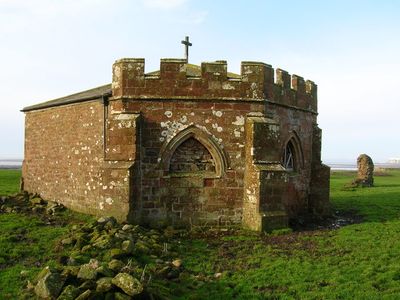
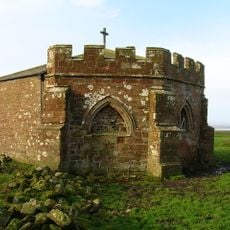
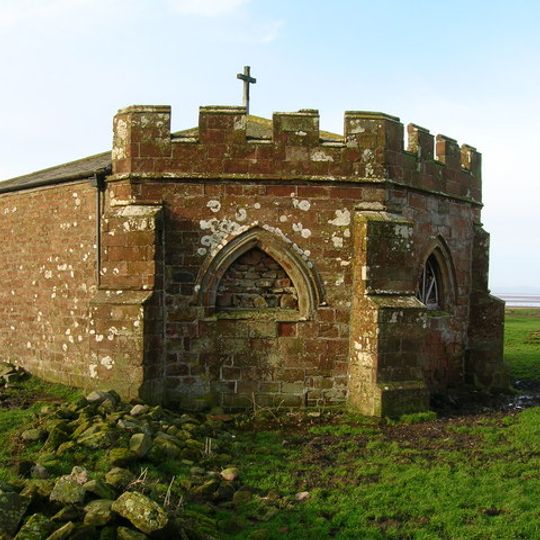
Cockersand Abbey is a monastery ruin in Thurnham, Lancashire, built from red sandstone on a low headland where the River Lune meets the sea. The only largely intact building on the site is a 13th-century octagonal chapter house that still stands among scattered wall remains.
The site began as a hermitage around 1180, then became a hospital for the sick before receiving abbey status in 1190 under the Premonstratensian order. It operated for several centuries until it was dissolved during the Reformation in the 16th century.
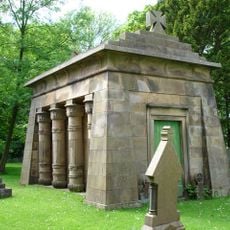
The chapter house is the only room still standing in good condition, and it was later used as a burial place by the Dalton family after the monastery closed. Visitors can still see the carved stonework inside, which gives a sense of how carefully this space was once crafted.
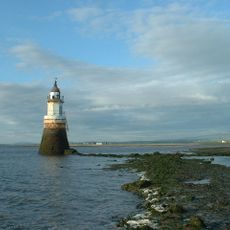
The ruins are reachable on foot from Glasson along a coastal path, as road access is limited by narrow lanes. Visiting at low tide makes the area around the structure easier to walk and opens up wider views of the estuary.
Two Roman statuettes found near the abbey in 1718 suggest that a Romano-British shrine stood on or very close to this spot long before the monks arrived. This means the monks may have chosen a place that already carried religious weight for people living in the area centuries earlier.
The community of curious travelers
AroundUs brings together thousands of curated places, local tips, and hidden gems, enriched daily by 92,207 contributors worldwide.