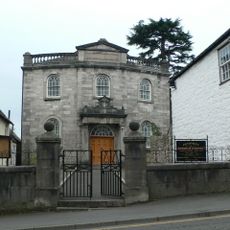
Ruthin Gaol, Municipal building in Denbighshire, Wales
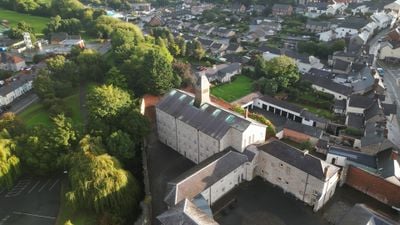
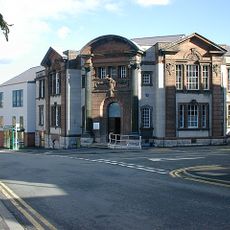
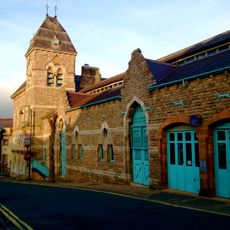
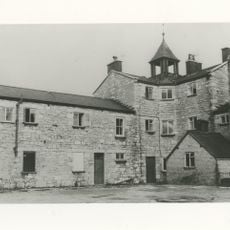
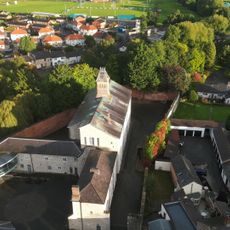
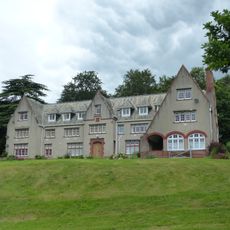
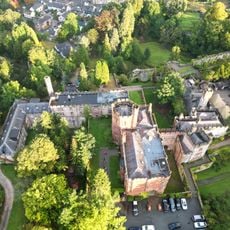
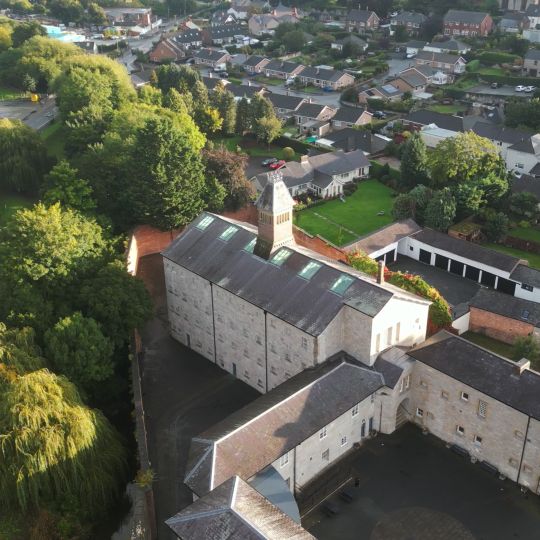
Ruthin Gaol is a former prison in Ruthin now open as a museum with cells, kitchen, and guard chambers to explore. The complex consists of several buildings arranged around a courtyard, with parts housing the town archive and displaying typical Victorian prison construction.
The original facility started in 1654 as a workhouse for the poor and unemployed. The current building was constructed from 1775 in Pentonville style and operated until 1903, when William Hughes was the last person executed there.
The building sits in a quieter part of Ruthin and reveals a hidden story of people imprisoned for hunger and poverty. Visitors encounter the lives of ordinary people through mugshots and recreated scenes that show how justice treated the poor very differently than the wealthy.
The site on Clwyd Street has a nearby paid car park and sits close to other historic locations like the castle. A visit typically takes about an hour and a half, and children and dogs are welcome, making it a family and pet-friendly destination.
A notable inmate named John Jones, known as Coch Bach y Bala or the Welsh Houdini, escaped twice from this facility, once by bribery in 1879 and again through a tunnel and bedsheets in 1913. His story and a replica of his coffin are displayed in the exhibition.
The community of curious travelers
AroundUs brings together thousands of curated places, local tips, and hidden gems, enriched daily by 91,258 contributors worldwide.