Carnegie Hall, Art Deco theatre in Dunfermline, Scotland
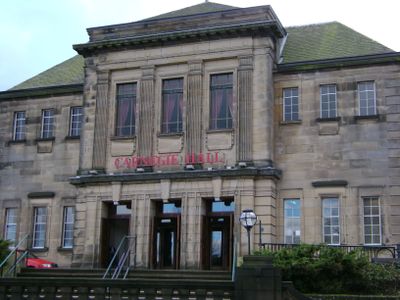
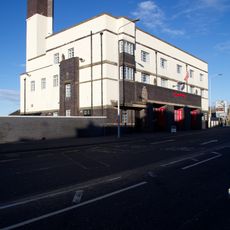
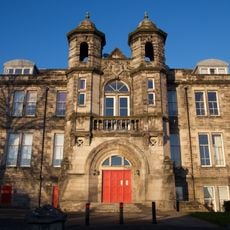
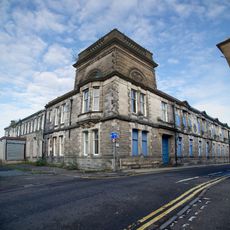
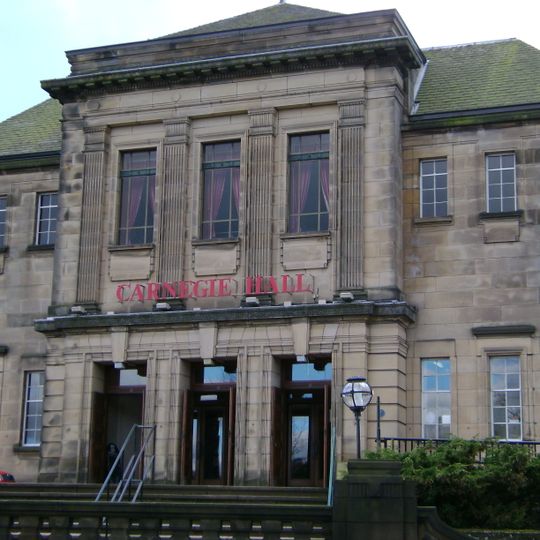
Carnegie Hall is an Art Deco theatre building in Dunfermline, Fife, completed in 1937 and designed by architects Muirhead and Rutherford. The structure combines clean lines and decorative details with a functional stage setup used for theatrical, musical, and dance performances.
The building was constructed in the 1930s as a gift from the Carnegie Trust to the town of Dunfermline, reflecting Andrew Carnegie's influence on local infrastructure. After its completion in 1937, it quickly became a focal point for the town's cultural life and received Category B Listed Building status in 1993.
The venue is named after Andrew Carnegie, the steel magnate born in Dunfermline who funded libraries and cultural institutions across Scotland. His name connects the building to a broader story of philanthropic support for the arts.
The theatre is located in Dunfermline town centre and is easily reached on foot, with nearby parking and bus stops close by. Visitors should check what events are scheduled before arriving, as the programme varies between different art forms.
Comedian Billy Connolly recorded his 1976 album Atlantic Bridge in this hall and its namesake in New York, connecting two famous Carnegie halls through a single album. The link shows how the venue is part of an international network of cultural institutions.
The community of curious travelers
AroundUs brings together thousands of curated places, local tips, and hidden gems, enriched daily by 90,790 contributors worldwide.