Standing Rock Indian Reservation, Native American reservation in North and South Dakota, United States.
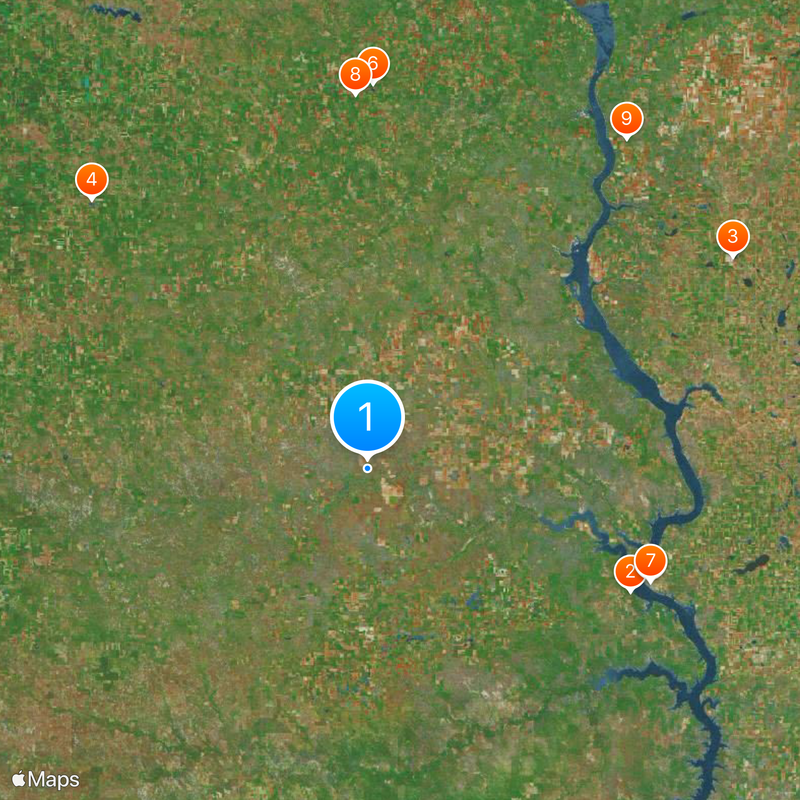
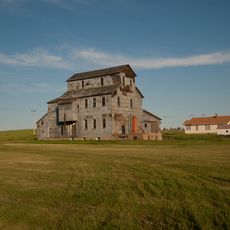
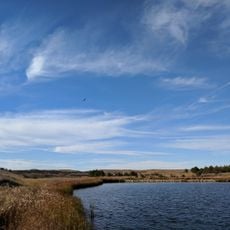
Standing Rock is a reservation in North and South Dakota that covers more than 2.3 million acres along the Missouri River, connecting prairie land with rolling hills. The landscape shifts between open grassland, winding riverbanks, and small settlements linked by gravel roads and highways.
The federal government created the reservation in the 1870s following treaties that reduced the territory of the Sioux Nation significantly. Further reductions followed in the 1880s and 1950s, when the Oahe Dam flooded farmland along the river.
Visitors can attend powwows and community gatherings where Lakota and Dakota languages, songs, and ceremonial traditions continue to shape daily life. The Missouri River remains central to fishing, gathering, and spiritual practices that families pass down through generations.
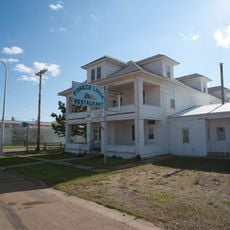
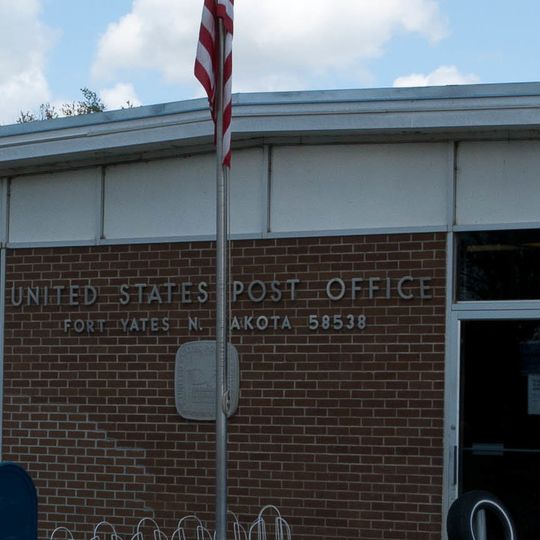
Fort Yates serves as the administrative center and offers basic services for visitors. Highways 1806 and 24 run through the area and provide access to communities and memorial sites along the route.
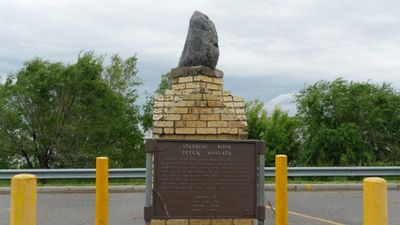
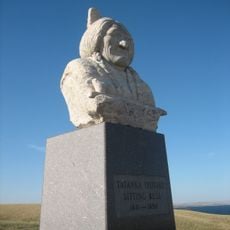
Sitting Bull, the Hunkpapa leader, was killed here in 1890 and originally buried at Fort Yates. His remains were later moved to Mobridge in South Dakota, though both sites are claimed by different groups.
The community of curious travelers
AroundUs brings together thousands of curated places, local tips, and hidden gems, enriched daily by 91,669 contributors worldwide.