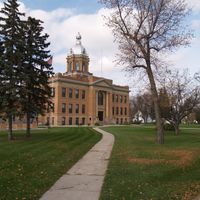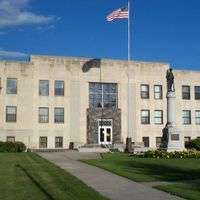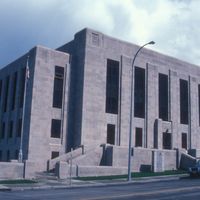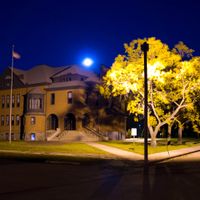
North Dakota, U.S. state in Upper Midwest, United States.
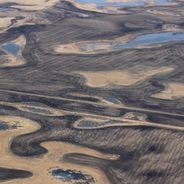
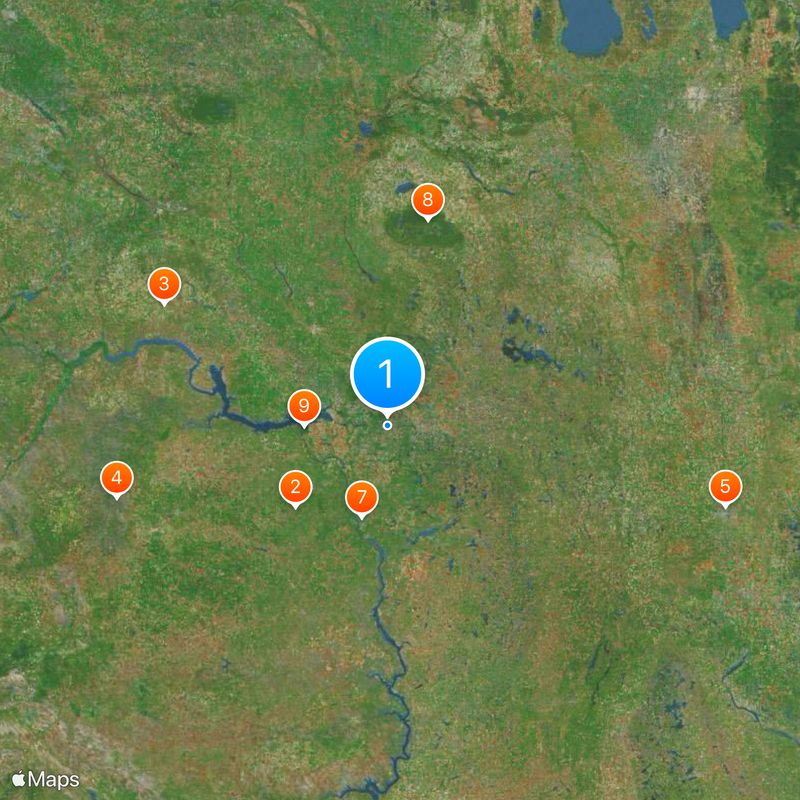
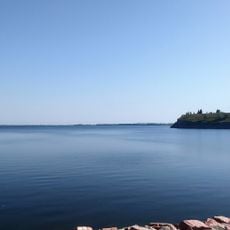
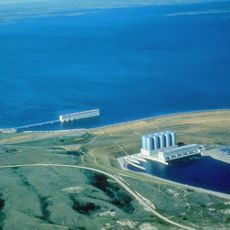
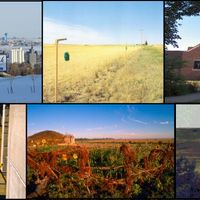
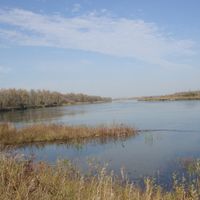
North Dakota is a state in the northern Midwest, stretching across open prairie land and agricultural areas that reach toward the Canadian border. The Missouri River cuts through from northwest to southeast, dividing the territory into eastern farmland and western ranching country.
The region became a state on November 2, 1889, when President Benjamin Harrison signed both Dakotas into the Union on the same day. Before that, it formed part of Dakota Territory, shaped by waves of homesteaders and railway expansion during the late 19th century.
Communities gather at county fairs and rodeos throughout the summer, celebrating ranching traditions and local farming life with live music and homemade food. Small towns hold weekly farmers markets where people meet, trade stories, and sell produce grown on family land.
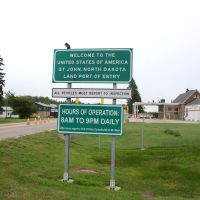
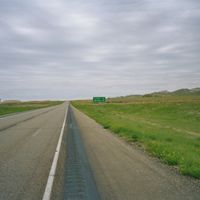
Travelers crossing the state will find paved highways running through open countryside, with towns and rest stops appearing at long intervals. Gas stations and grocery stores can be far apart, especially in western areas where roads stretch between ranches and small settlements.
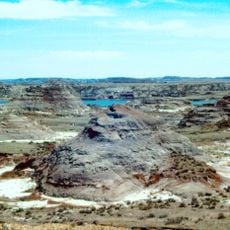
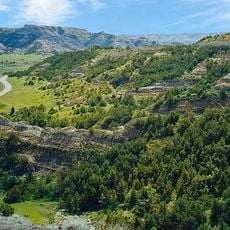
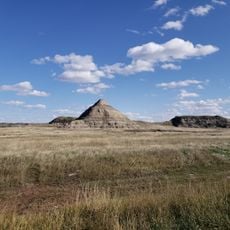
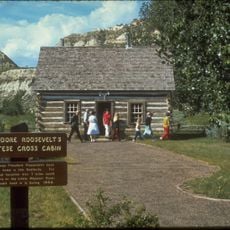
Theodore Roosevelt spent several years ranching in the badlands and later credited the experience with shaping his conservation ideals. The park named after him preserves colorful layered rock and free-roaming bison herds that reflect the landscape he knew.
The community of curious travelers
AroundUs brings together thousands of curated places, local tips, and hidden gems, enriched daily by 60,000 contributors worldwide.