Ice Age National Scientific Reserve, 50,000 acres in Wisconsin managed by the State of Wisconsin in affiliation with the National Park Service
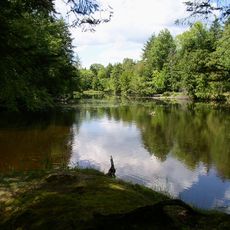
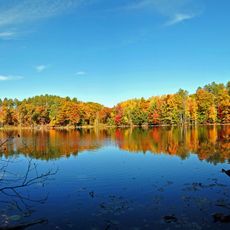
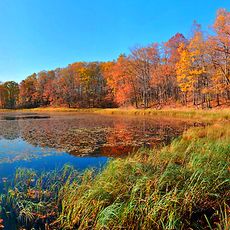
Ice Age National Scientific Reserve is a collection of sites in Wisconsin that show how glaciers shaped the landscape thousands of years ago. The area includes forests, lakes, and marshes with distinctive features like drumlins, eskers, and kettle holes, all created by ice age erosion and deposits.
The site was established in the 1960s and 1970s to protect and document the effects of glacial movement. The landscape transformation occurred over more than 100,000 years as glaciers advanced and retreated before disappearing completely about 10,000 years ago.
The reserve's landscape tells the story of Wisconsin's ice age past and connects different communities through their shared geological history. Place names like Two Creeks Buried Forest reflect the direct impacts glaciers had on the region and how people perceive this land.
The reserve consists of nine different sites, some fully developed for visitors while others have only basic trails without facilities. Visitors should wear sturdy shoes and bring water and weather protection, especially in winter when snow and ice can change walking conditions.
The Ice Age Scenic Trail connects multiple reserve sites and was started by volunteers in earlier years before being officially designated as a national scenic trail in 1980. This connected route allows visitors to follow traces of ancient glaciers across a longer distance.
The community of curious travelers
AroundUs brings together thousands of curated places, local tips, and hidden gems, enriched daily by 92,076 contributors worldwide.