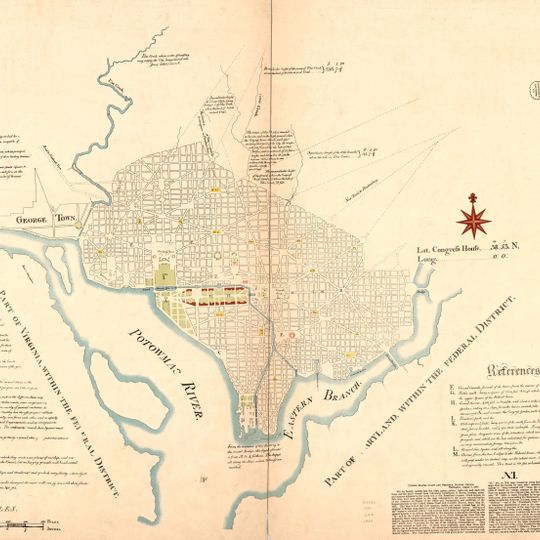
L'Enfant Plan, Urban planning model in Washington D.C., United States
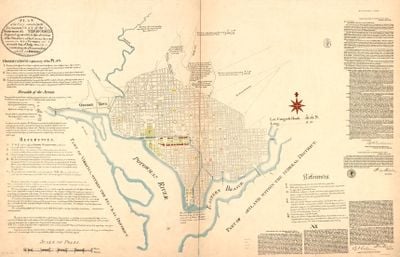
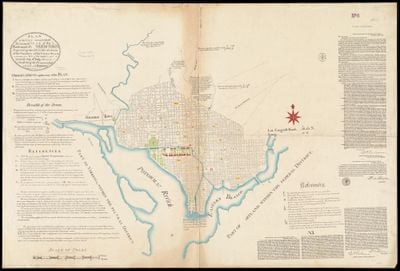
The L'Enfant Plan is an urban design from the late 1700s that organizes Washington, D.C. with broad avenues crossing at different angles to form a geometric pattern. The scheme links major government buildings through spacious thoroughfares and creates several focal points and green areas spread throughout the city.
President George Washington hired French architect Pierre Charles L'Enfant in 1791 to design the layout of the new American capital. L'Enfant's vision of a planned city with radiating streets was groundbreaking and his concepts were built into reality.
The street layout shows how the young nation wanted to organize its government through open public spaces and direct sightlines between key buildings. Walking through the avenues and squares today, you can sense how the design reflects the idea of a government that belongs to the people.
To understand the plan, start by viewing it from above or take time walking through it to grasp the angles and connections between the avenues. Wear comfortable shoes since you will need to cover considerable distances on foot to see the different sections and how they relate to each other.
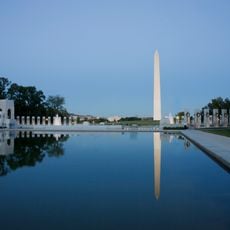
The wide ceremonial mall known as the National Mall was deliberately laid out to link government buildings while also creating a central public gathering space. Visitors often miss that this 400-foot-wide area was part of the original design rather than added later.
The community of curious travelers
AroundUs brings together thousands of curated places, local tips, and hidden gems, enriched daily by 90,820 contributors worldwide.