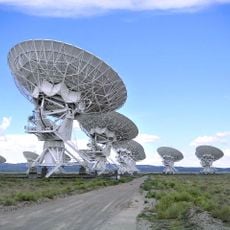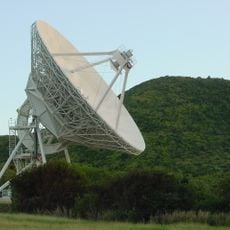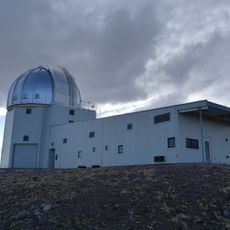
Long Wavelength Array, Radio telescope array in central New Mexico, United States
The Long Wavelength Array is a radio telescope system in central New Mexico consisting of multiple stations spread across 400 kilometers with thousands of dipole antennas. These antennas capture low-frequency radio signals from space to help scientists study cosmic phenomena.
The first station became operational in December 2009, and by 2011 full operational capability was achieved with 256 antennas. This project brought together multiple major research institutions to enable long-wavelength radio observations of the cosmos.
Eight major research institutions collaborate on this project, including the University of New Mexico, Virginia Tech, and the National Radio Astronomy Observatory.
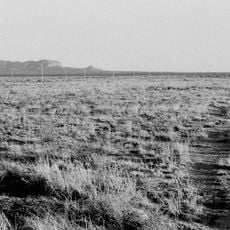
The facility detects radio waves between 10 and 88 MHz through scheduled observation sessions that scientists submit for access. The remote location in New Mexico minimizes interference from artificial sources and creates ideal conditions for long-wavelength radio detection.
Each antenna measures 1.5 meters in height and 2.7 meters at the base, contributing to a total collecting area of 6,500 square meters.
The community of curious travelers
AroundUs brings together thousands of curated places, local tips, and hidden gems, enriched daily by 92,664 contributors worldwide.