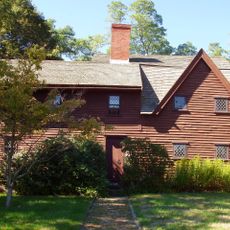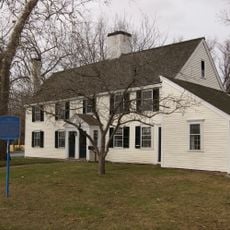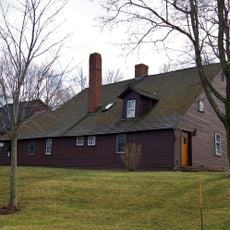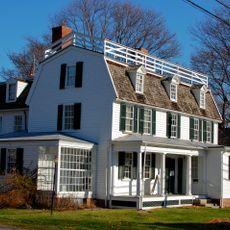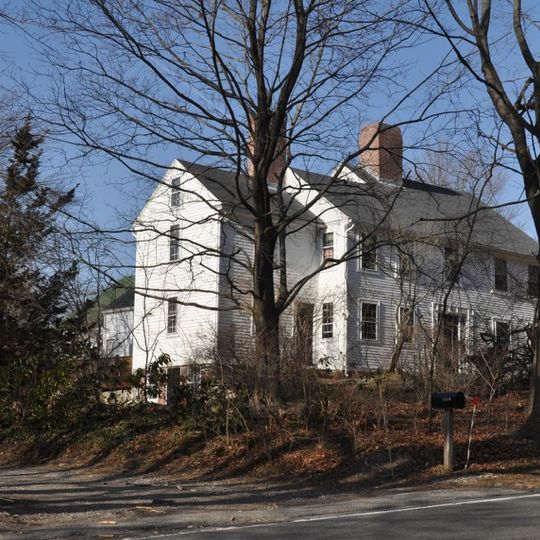
Rea-Proctor Homestead, building in Massachusetts, United States
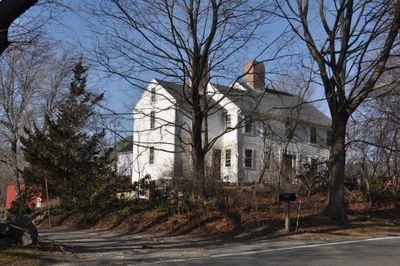
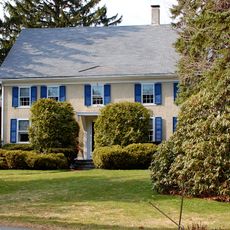
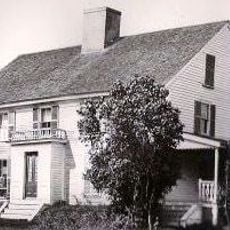
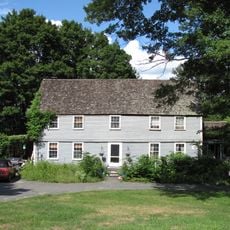
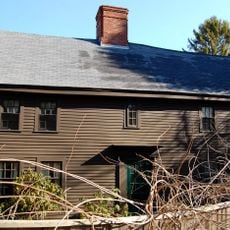
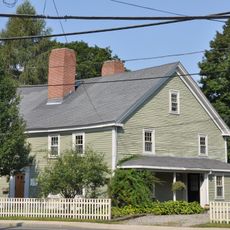
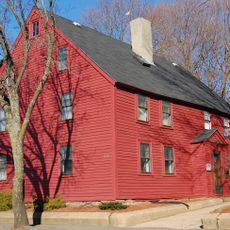
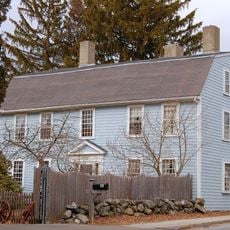
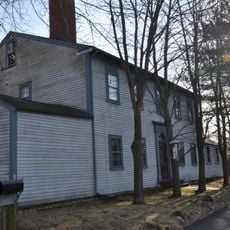
The Rea-Proctor Homestead is a wooden house in Danvers, Massachusetts, displaying the simple features of early New England architecture. The original structure dates to 1692 and was later updated in the early 1800s with Federalist-style modifications.
Joshua Rea Sr. built the house in 1692 as a colonial structure, and his son Joshua Jr. gained significance when he testified during the Salem witch trials. The property remained with the Rea family until 1804, when Timothy Pickering purchased it, and later Daniel Proctor acquired it in 1812.
The house carries the names of the two families who lived in it across generations and shaped its identity. These family connections reveal how households preserved their histories and remained rooted in the community through centuries of change.
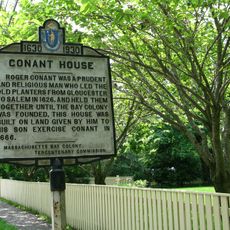
The property is located on Conant Street in Danvers, a quiet area with straightforward access. The site is also part of a larger historic district with other old buildings, allowing visitors to explore multiple structures in a single visit.
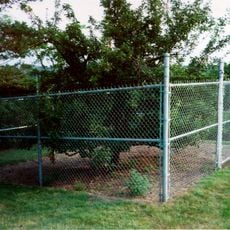
Timothy Pickering, who acquired the house in 1804, conducted agricultural experiments and helped establish the Essex Agricultural Society, the first organization of its kind in the region. His scientific approach to farmland linked the property to early agricultural innovation in New England.
The community of curious travelers
AroundUs brings together thousands of curated places, local tips, and hidden gems, enriched daily by 92,053 contributors worldwide.