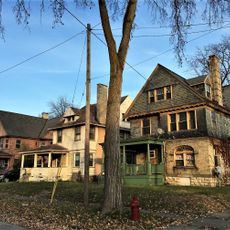
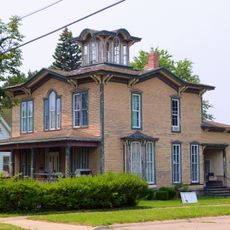
Saginaw City, Michigan, Former settlement in Michigan, United States.
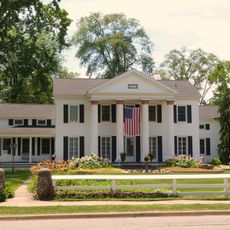
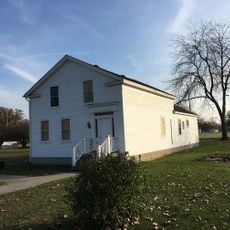
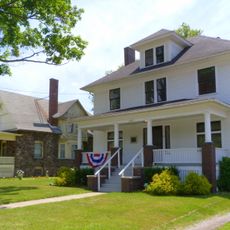
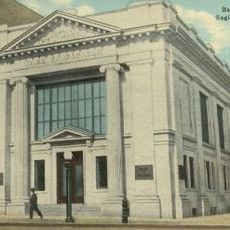
Saginaw City was a settlement in Michigan that developed along the Saginaw River and originally existed as a separate municipality. The area later grew into a lumber industry center and was eventually consolidated with the neighboring East Saginaw in 1890, leading to the modern city of Saginaw.
French missionaries and traders established contact with the Ojibwe people in the late 17th century and created trading posts in the region. A century later, a military fort was built in 1822, but harsh conditions led to its abandonment by 1824.
The name Saginaw comes from the Ojibwe language and refers to a place near the river mouth where Native American councils often met. This origin remains part of the local identity and reminds visitors of the deep connection between the area and its first inhabitants.
The location along the river offered good conditions for transportation and trade, which promoted development as a transport hub. Visitors should know that the historic site is now integrated into the modern city of Saginaw and few remains from the original settlement are visibly preserved.
The region experienced substantial growth during the 19th-century lumber boom, which laid the foundation for later industrial development. This intensive period of timber production transformed the area into an economic center before the industry later diversified.
The community of curious travelers
AroundUs brings together thousands of curated places, local tips, and hidden gems, enriched daily by 91,038 contributors worldwide.