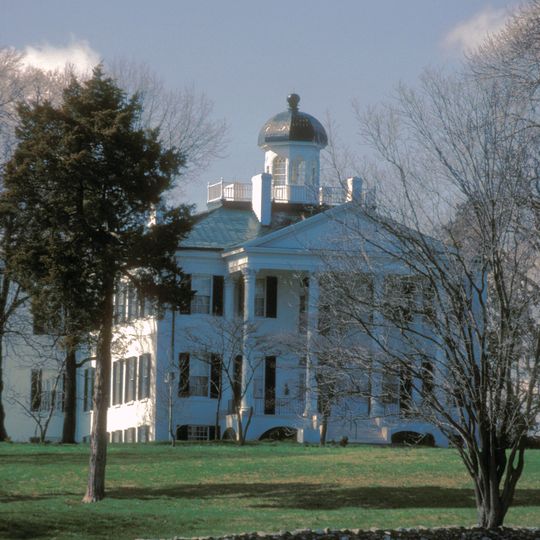
The Tuleyries, human settlement in Virginia, United States of America
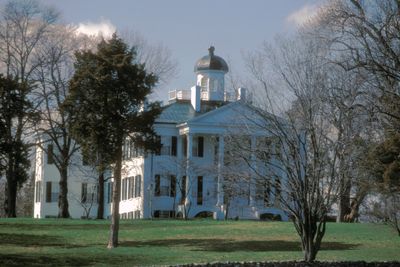
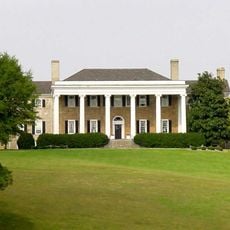
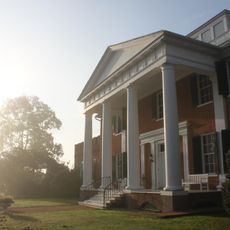
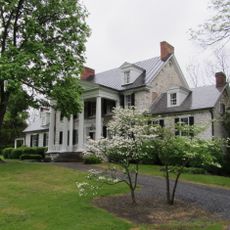
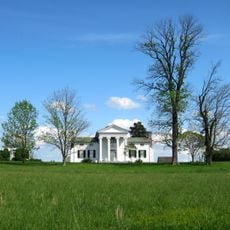
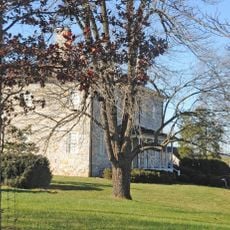
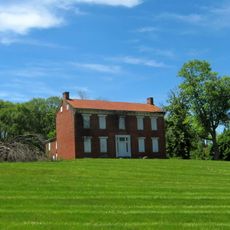
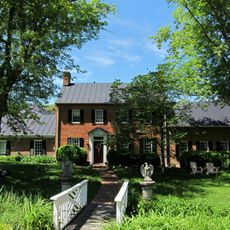
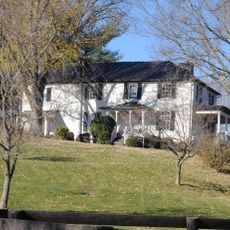
The Tuleyries is a large Federal-style house built around 1833 near White Post featuring a domed entrance hall and balanced window arrangements characteristic of its period. The mansion sits on approximately 20 acres of lawns, gardens, and forested land, with farmland also part of the property.
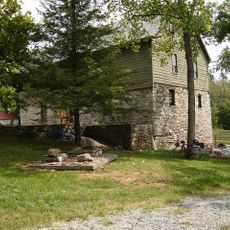
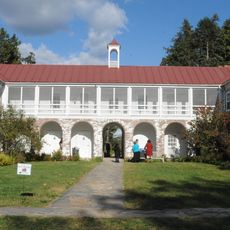
The estate was founded in 1833 by Colonel Joseph Tuley, a major slaveholder whose wealth depended on enslaved labor, before being sold to Colonel Upton Lawrence Boyce in 1866 and later to Graham Furber Blandy in 1903. Blandy hired Philadelphia architect Mantle Fielding to renovate the mansion, and his property now hosts the Blandy Experimental Farm and the Virginia State Arboretum.
The Tuleyries bears a name that is a play on builder Joseph Tuley's surname and the French Tuileries Palace, showing how estate owners of that era expressed their education and international connections. The name itself remains noticed by visitors today and speaks to the ambitions of those who created the property.
The property sits on quiet rural land near White Post and is best explored on foot, with visitors able to take time to appreciate the architecture and surrounding grounds fully. Proximity to the Blandy Experimental Farm and State Arboretum scientific facilities makes a half day realistic for a complete visit.
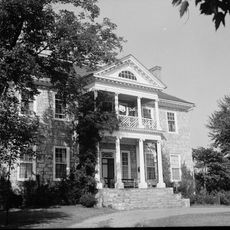
The mansion was documented in 1930 by the Historic American Buildings Survey, with photographs and drawings preserved at the Library of Congress in Washington, D.C., providing a rare record of its original state. Visitors can view these historical records online and compare the property's appearance today with detailed images from nearly 100 years ago.
The community of curious travelers
AroundUs brings together thousands of curated places, local tips, and hidden gems, enriched daily by 91,514 contributors worldwide.