Temple Butte, Mountain summit in Grand Canyon, Arizona
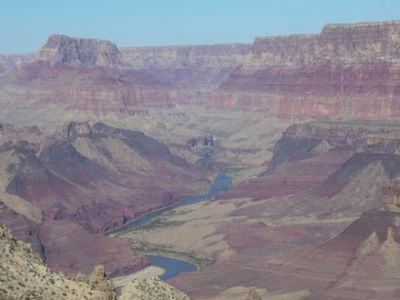
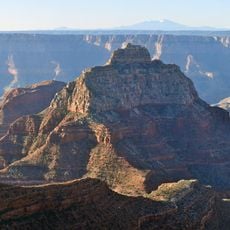
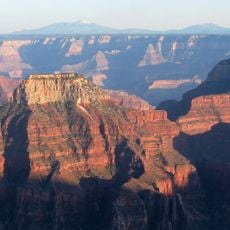
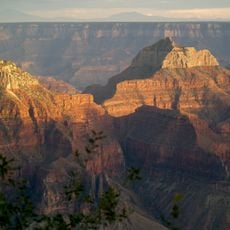
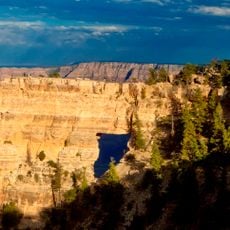
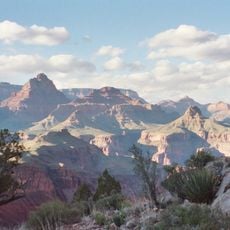
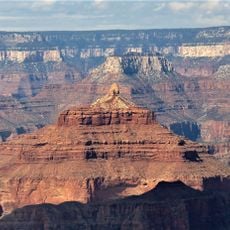
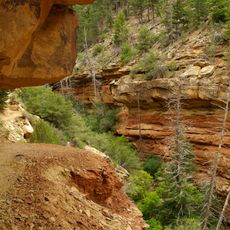
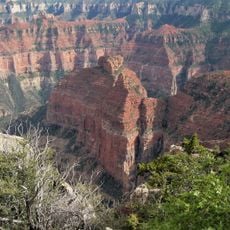
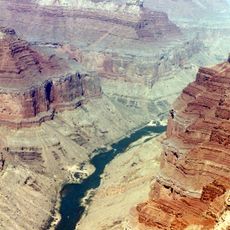
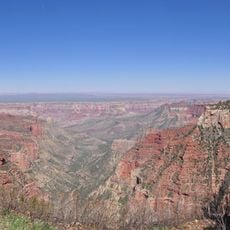
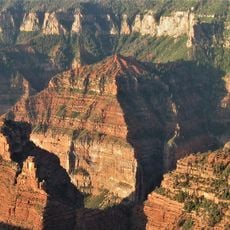
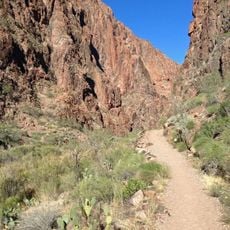
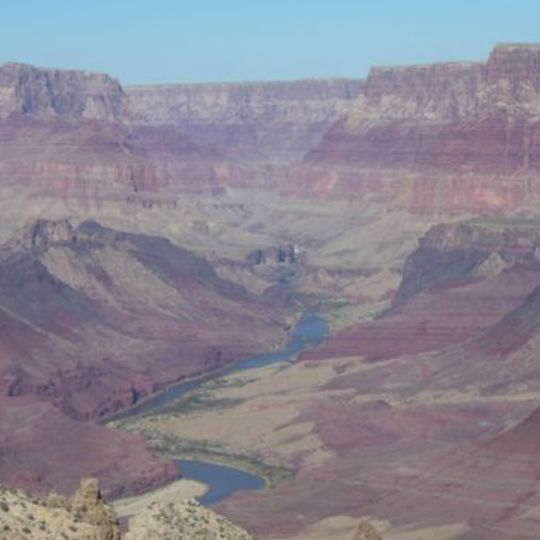
Temple Butte is a prominent summit in the Grand Canyon that rises approximately 5,300 feet and displays distinct layers of sandstone, limestone, and shale formations. The steep rock walls descend dramatically toward the Colorado River below, showcasing the geological layers that make up this part of the canyon.
The site gained prominence following a 1956 aircraft collision between two commercial planes near this location, with wreckage scattered across the slopes. This incident drew international attention to aviation safety and made the peak and its surroundings more widely recognized.
The geological layers of Temple Butte reveal extensive marine fossil records, including brachiopods, gastropods, corals, and ancient fish remains.
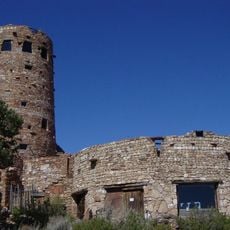
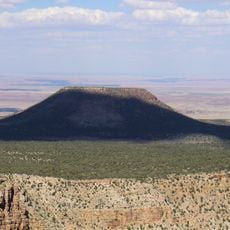
The butte can be observed from several viewpoints along the East Rim, particularly at Lipan Point and Desert View Point. Viewing is best in early morning or late afternoon when light angles accentuate the rock layers and geological features.
The Butler Fault runs along the western side of the peak and played a key role in shaping the Kaibab Plateau's structure over millions of years. This geological feature demonstrates how tectonic forces have continuously reshaped the landscape.
The community of curious travelers
AroundUs brings together thousands of curated places, local tips, and hidden gems, enriched daily by 91,328 contributors worldwide.