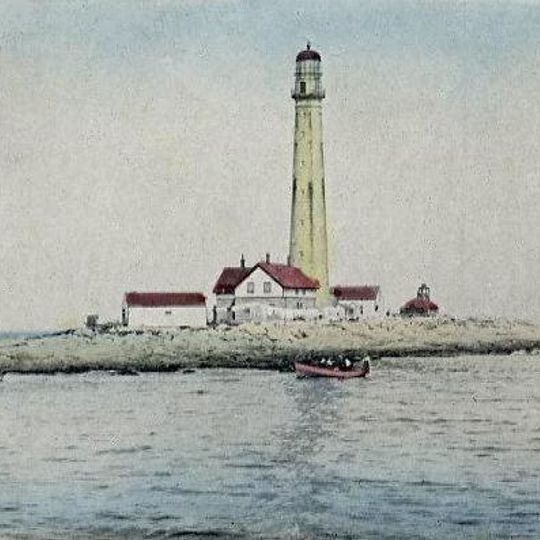
Boon Island, Rocky island in York County, Maine, United States
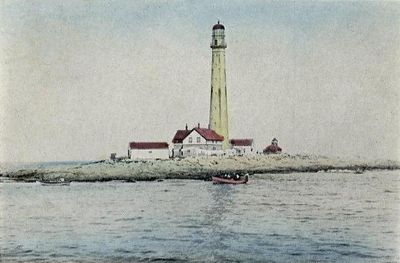
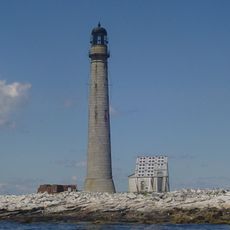
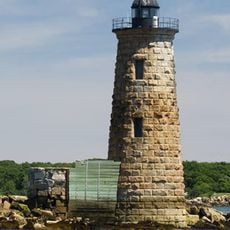
Boon Island is a rocky island off the Maine coast and features the tallest lighthouse in New England, which rises 40 meters above the water. The island itself measures roughly 90 by 210 meters and sits several kilometers from shore in the Atlantic Ocean.
The island gained notoriety after the wreck of the Nottingham Galley in 1710, when survivors became stranded during winter months under harsh conditions. This tragedy prompted the eventual construction of the lighthouse to prevent similar disasters on this dangerous stretch of coast.
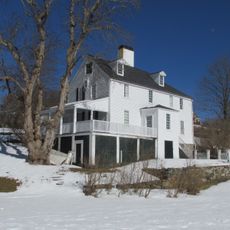
The lighthouse was tended by successive generations of keepers who documented their experiences and left behind a quiet record of life at this remote maritime outpost. These personal accounts reveal the stories of people who faced isolation and the elements while serving a vital navigational role.
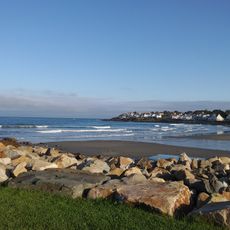
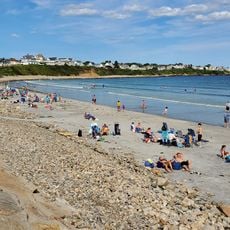
The island is not open to visitor landings as it remains remote and exposed to Atlantic conditions. Viewing opportunities depend on sea conditions and are best achieved from tour boats or aerial perspectives.
During severe storms, massive waves can lift and hurl large boulders across the island's surface, which rises only about 4 meters above sea level. This raw power of the ocean makes the location a dramatic example of nature's force in action.
The community of curious travelers
AroundUs brings together thousands of curated places, local tips, and hidden gems, enriched daily by 92,486 contributors worldwide.