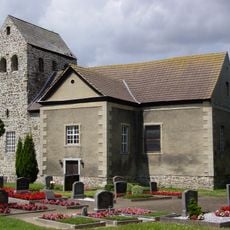
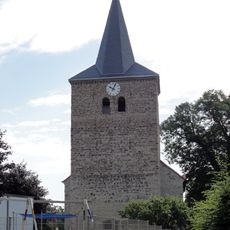
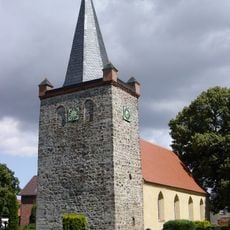
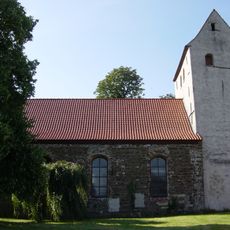
Magdeburg Börde, Agricultural plain near Magdeburg, Germany.
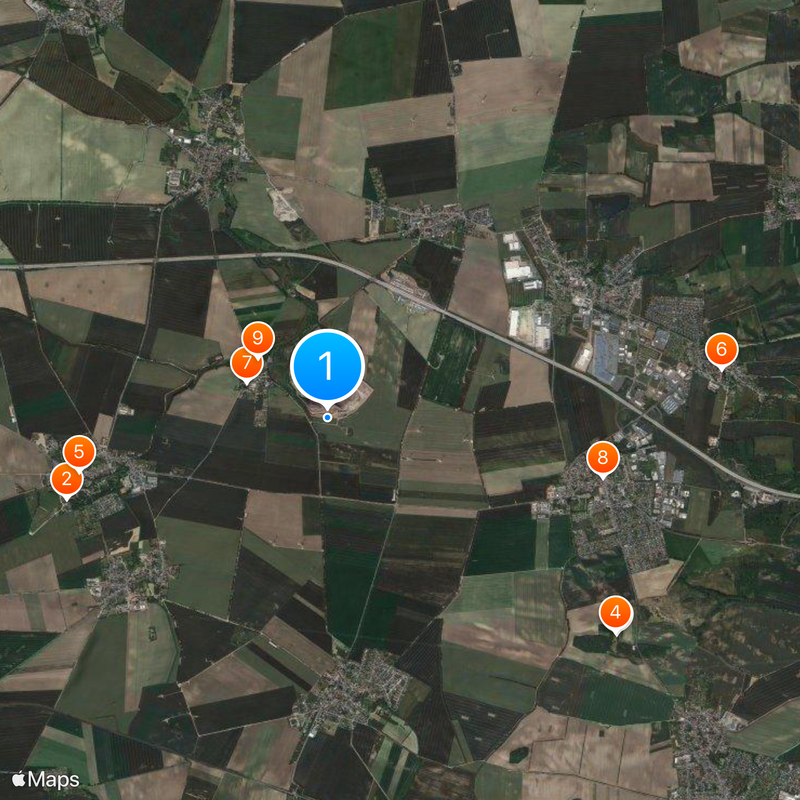
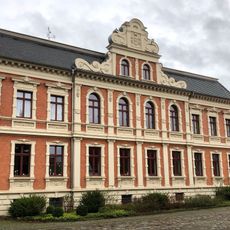
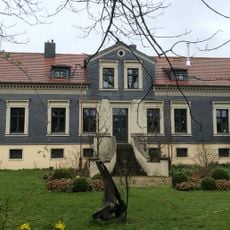
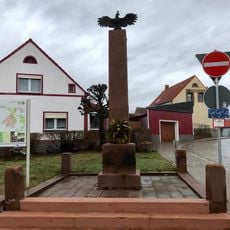
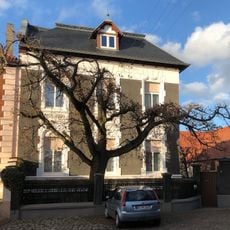
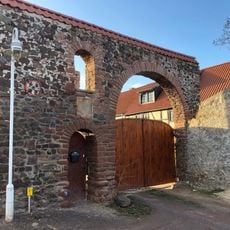
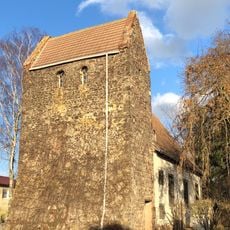
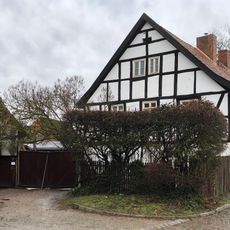
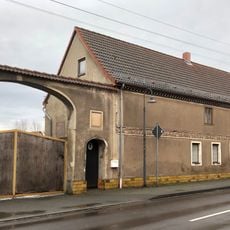
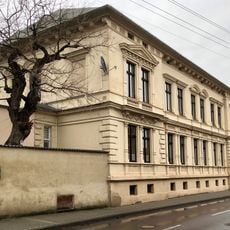
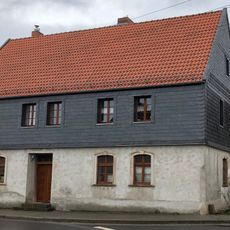
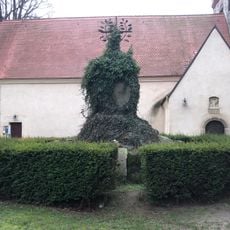
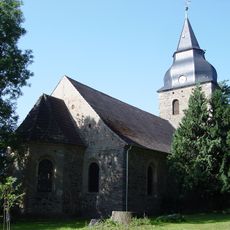
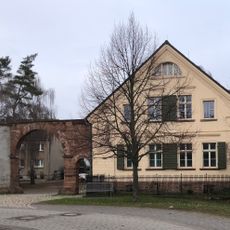
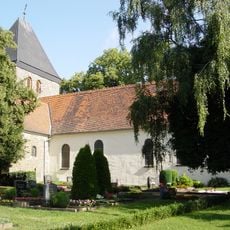
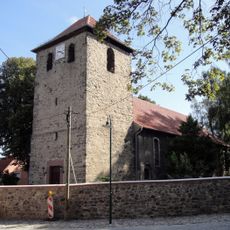
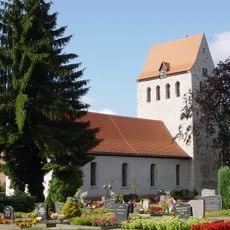
The Magdeburg Börde is a flat agricultural landscape west of Magdeburg that stretches across hundreds of square kilometers and is marked by dark, nutrient-rich soil. The terrain consists mainly of vast fields with scattered villages and a network of small roads that connect the settlements.
The name comes from Middle High German and refers to fertile plains that fed farming communities since medieval times. The region kept its agricultural importance over centuries until it became a reference area for soil evaluation in the 20th century.
Local communities connect with the land through traditional farming that shapes how the region looks and feels. Villages and fields form a quiet pattern where seasons are marked by planting and harvest.
A dense network of walking and cycling paths opens up the landscape and connects villages, making it easy for visitors to explore the area flexibly. The flat topography makes the region easy to access, whether on foot or by bicycle.
The area sits in the rain shadow of the Harz Mountains and developed soil of special quality that long served as the standard for German soil ratings. This exceptional fertility made the region an important reference point for European agriculture.
The community of curious travelers
AroundUs brings together thousands of curated places, local tips, and hidden gems, enriched daily by 90,845 contributors worldwide.