Harsefeld, municipality of Germany
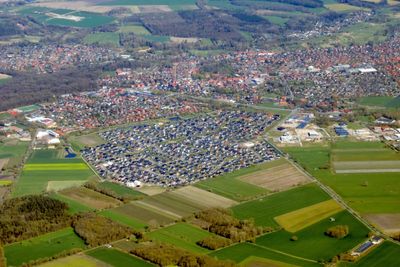
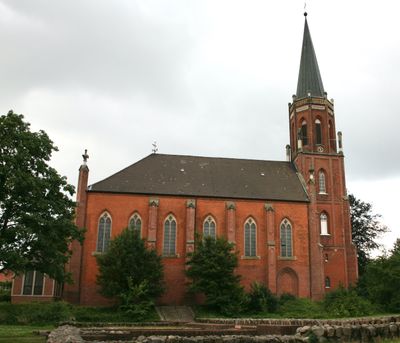
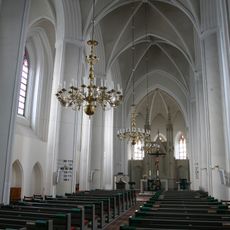
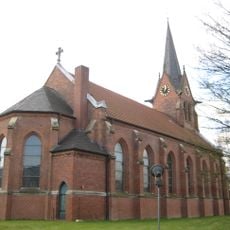
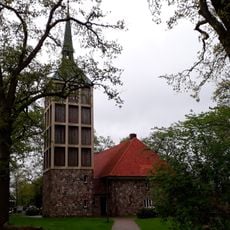
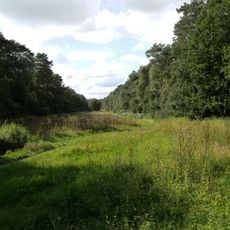
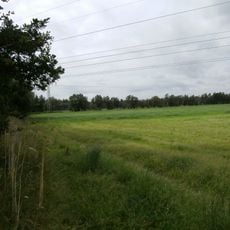
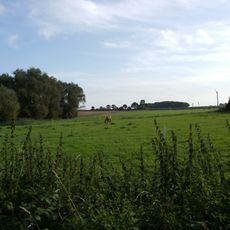
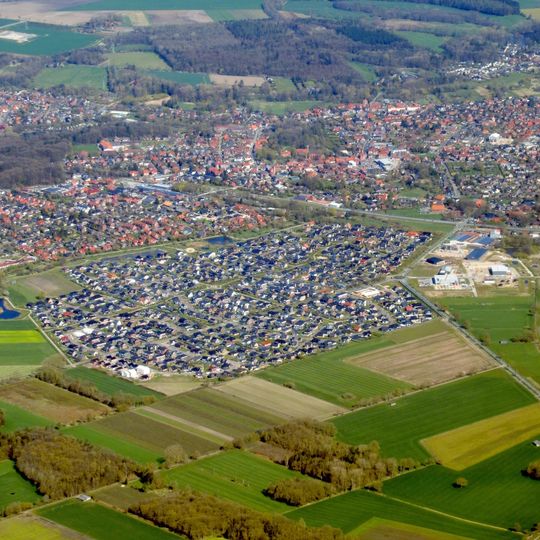
Harsefeld is a small municipality in the Stade district of northern Germany, functioning as a Flecken with an established market square. The village is characterized by quiet streets, older buildings, and surrounding fields, with the church of St. Mary and Bartholomew visible from afar with its distinctive towers.
The founding dates back to 1104, when monks established a monastery and archabbey that became a religious and intellectual center of the region. After the Reformation and the archabbey's closure in 1648, Harsefeld came under changing rulers, first Sweden and later Hanover.
The name Harsefeld reflects its status as a Flecken, a market town where the community regularly gathers and conducts business. Weekly markets still shape local life today, bringing neighbors together to buy fresh produce and exchange news.
The village is best explored on foot or by bicycle, as streets are quiet and distances manageable. The church and market square serve as central reference points for orientation when visiting.
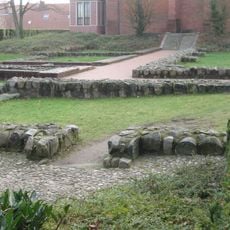
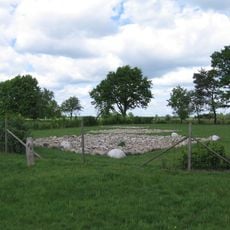
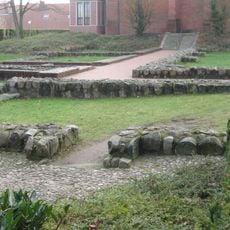
The archaeological remains of the medieval archabbey tell of a time when this village was a regional center of scholarship and spiritual life. These origins remain subtly present in the landscape today, even though most structures have vanished for centuries.
The community of curious travelers
AroundUs brings together thousands of curated places, local tips, and hidden gems, enriched daily by 90,751 contributors worldwide.