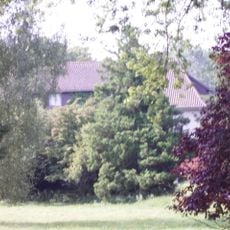
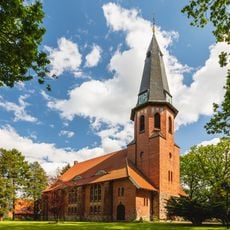
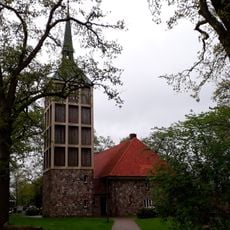
Burg Harsefeld, Medieval castle ruins in Harsefeld, Germany.
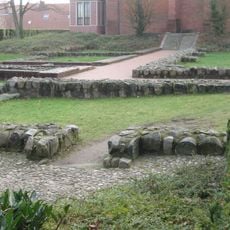
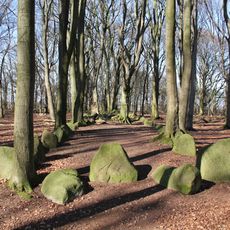
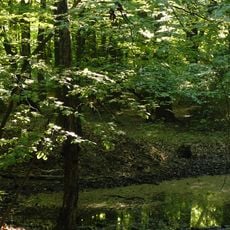
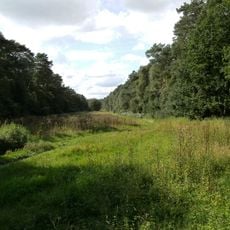
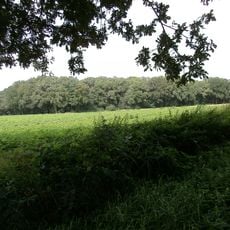
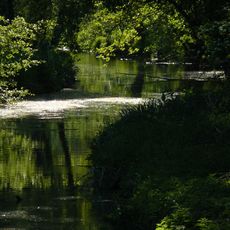
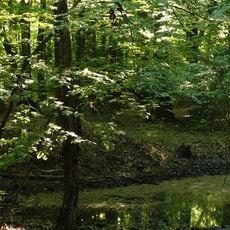
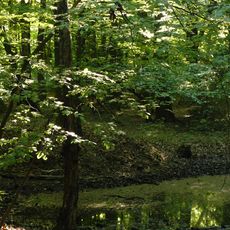
Burg Harsefeld is a medieval castle site in Harsefeld with surviving stone foundations and wall remains. A deep moat system approximately 10 meters wide and 3.5 meters deep once surrounded the original one-hectare fortress.
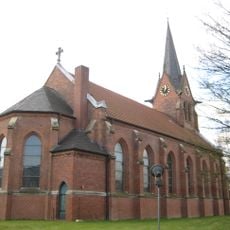
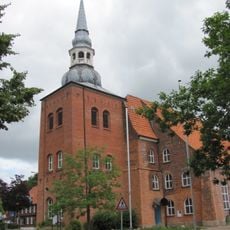
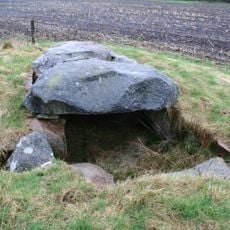
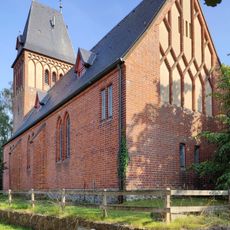
Heinrich von Stade built the castle in 969 after receiving the County of Stade on the death of Wichmann the Younger in 967; around 1000 it held the burial place of the Udonen. It stood only about 50 years: at the start of the 11th century the counts moved their seat to Stade, demolished the castle and founded a collegiate foundation in Harsefeld. Between 1001 and 1010 Heinrich's son of the same name established a provostry on the castle grounds, converted after 99 years into the Benedictine monastery that lasted until 1648.
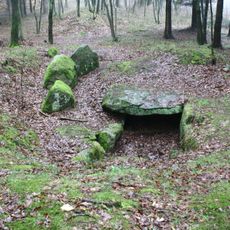
The name reflects the noble family that once lived here and left their burial grounds on the site. The location later transformed into a religious center and holds meaning in local memory.
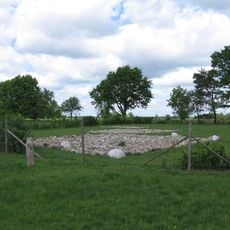
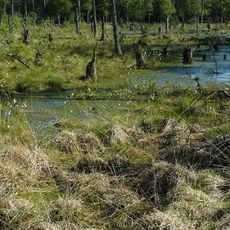
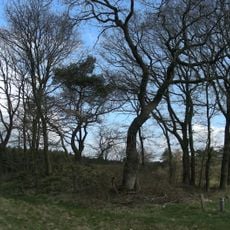
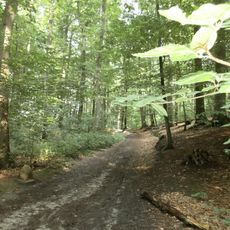
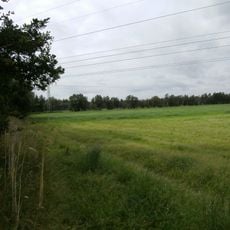
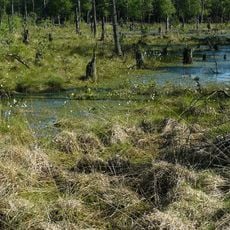
The site is partially exposed today and visible only in places since most structures lie beneath the soil surface. Visitors should wear comfortable shoes as the ground is uneven and can become muddy in wet weather.
Excavations in the 1990s uncovered traces of even older structures, including remains of a wooden building from the 8th century. These discoveries reveal the ground was inhabited long before the castle was built.
The community of curious travelers
AroundUs brings together thousands of curated places, local tips, and hidden gems, enriched daily by 93,871 contributors worldwide.