Sulzburg, town in Baden-Württemberg, Germany
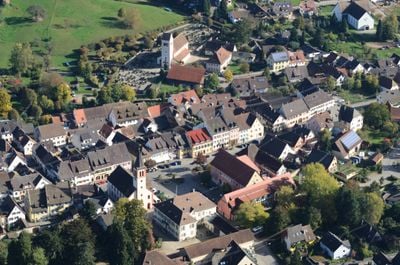
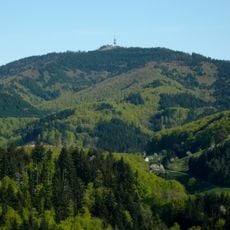
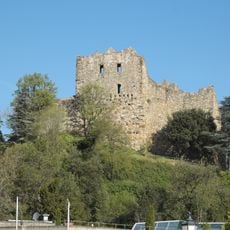
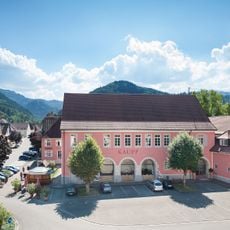
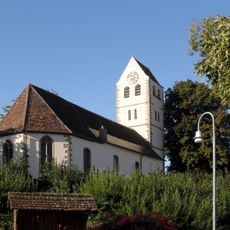
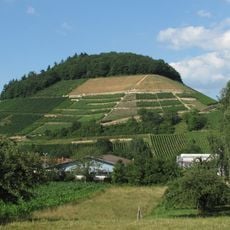
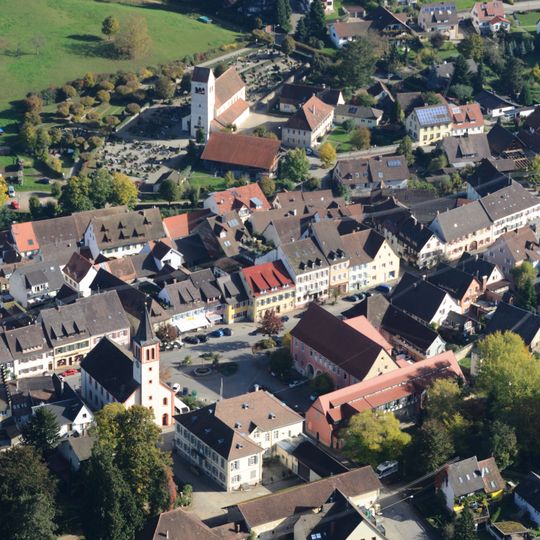
Sulzburg is a small town at the edge of the Black Forest in the Markgräflerland region, with medieval streets and old buildings clustered around an ancient castle. It spreads through the Sulzbachtal valley and connects with the neighboring settlements of Laufen and St. Ilgen to form a linked area.
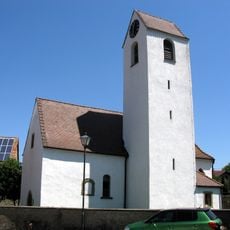
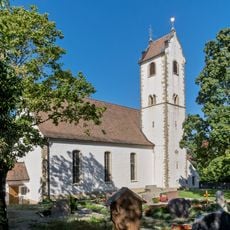
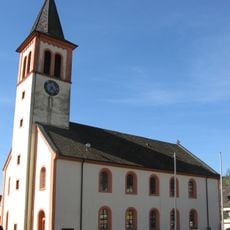
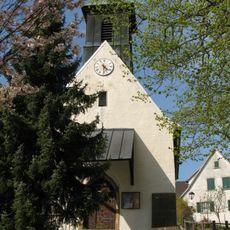
The earliest traces of human settlement date to around 5500 BC, linked to mining activities for hematite in the Sulzbachtal valley. The church of St. Cyriak was dedicated in 993, and Emperor Heinrich II granted the town official rights in 1008, followed by recognition of silver mining privileges in 1028.
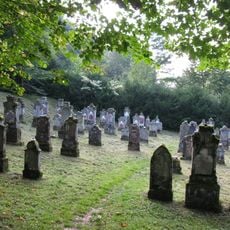
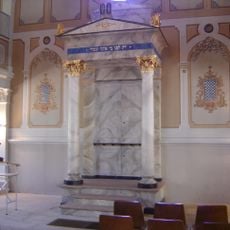
The town carries visible marks of its Jewish past, with a carefully restored synagogue and a cemetery tucked in the Sulzbachtal valley that speak to centuries of Jewish life here. The artist Adolf Riedlin, who worked in the early 20th century, left a lasting imprint on the local art scene, and his influence can still be seen in works and traces throughout the town.
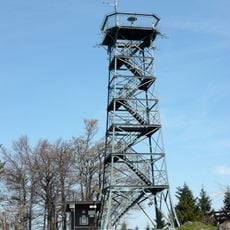
The town sits near the borders of France and Switzerland, making it a good base for trips to these countries or to nearby thermal baths like Badenweiler and Bad Krozingen. The area offers many trails for walking and cycling through the Sulzbachtal valley and surrounding fields and forests.
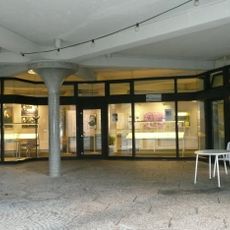
The region has been known for mining for over 7000 years, making it one of Germany's oldest mining areas, and this heritage is reflected in the town's coat of arms. The Landesbergbaumuseum tells the story of this long mining tradition and displays artifacts from different periods of this activity.
The community of curious travelers
AroundUs brings together thousands of curated places, local tips, and hidden gems, enriched daily by 91,934 contributors worldwide.