Wilster, municipality of Germany
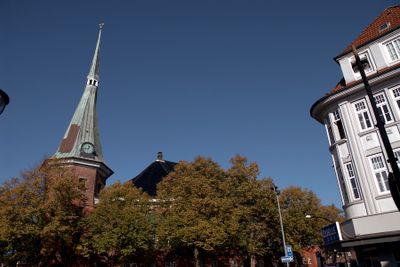
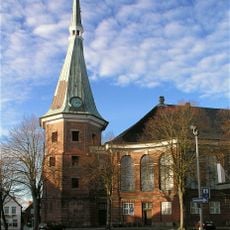
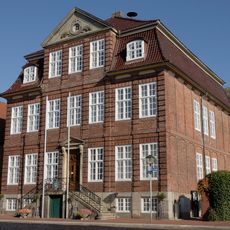
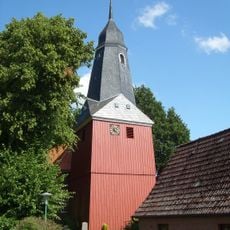
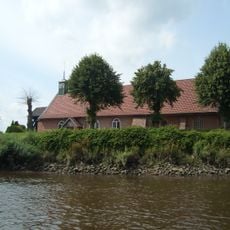
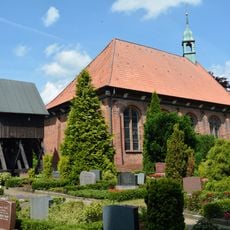
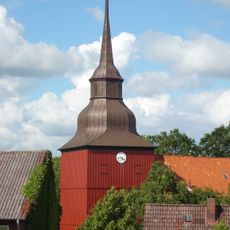
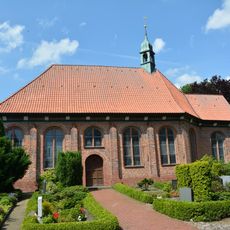
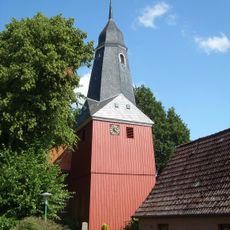
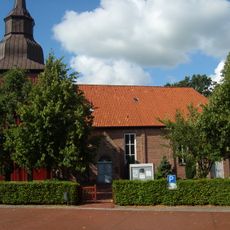
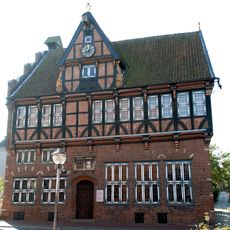
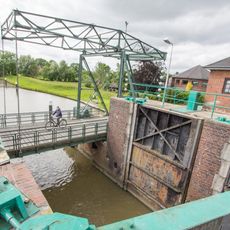
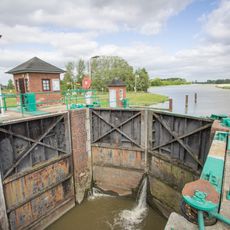
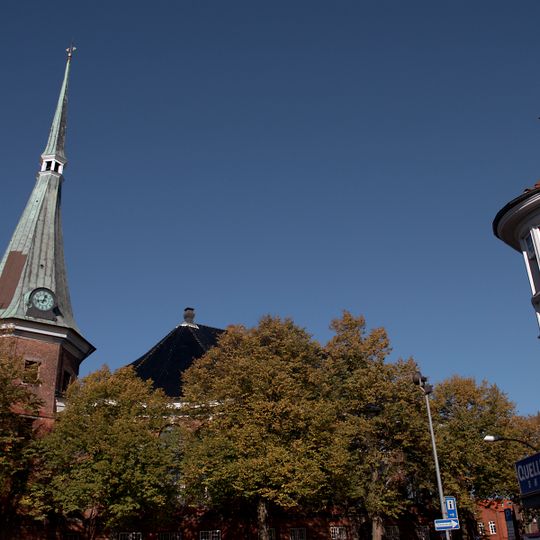
Wilster is a small town in Schleswig-Holstein located in the middle of the Wilstermarsch region. It has a compact layout with historic buildings including the Old Town Hall from 1585, St. Bartholomew's Church from the late 1700s, and the New Town Hall from 1786, also known as Doos'sche Palais.
The town received Lübeck city rights in 1282, making it one of the oldest towns in northern Germany. In the 19th century, Wilster experienced major changes through road construction and a railway connection in 1878, which led to the development of leather factories and population growth.
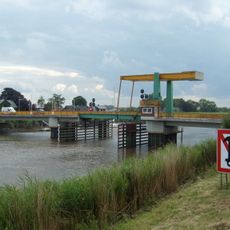
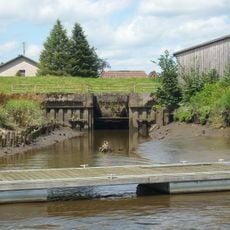
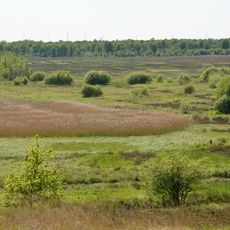
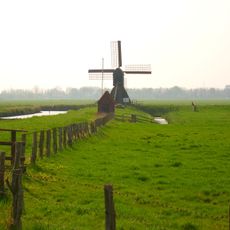
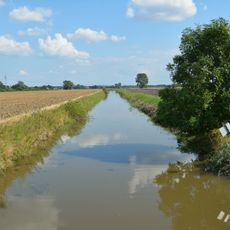
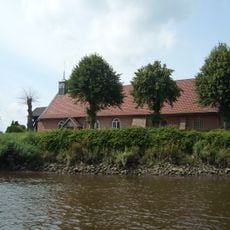
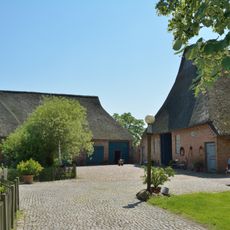
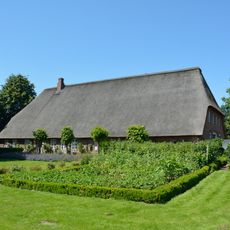
The name Wilster may derive from the word 'wild' and refers to the nearby river and surrounding marshland. Today the town still shapes the character of the Wilstermarsch region, an area defined by cattle raising for generations, where farms and fields dominate the landscape.
Walking through Wilster you notice quiet streets and carefully preserved old buildings that give the town its distinctive character. The compact size makes it easy to explore the main sights on foot and experience the town's history directly.
In 2018 large electrical transformers were installed in the town as part of the NordLink project, which transfers electricity between Germany and Norway. This made Wilster a hub for international power supply, though many visitors overlook this modern aspect.
The community of curious travelers
AroundUs brings together thousands of curated places, local tips, and hidden gems, enriched daily by 92,664 contributors worldwide.