Neuzelle, municipality in the Oder-Spree district of Brandenburg, Germany
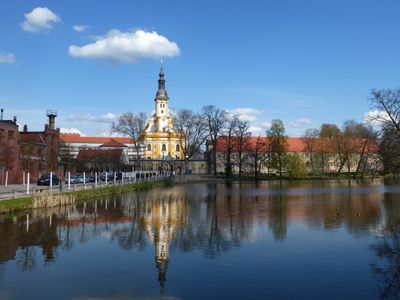
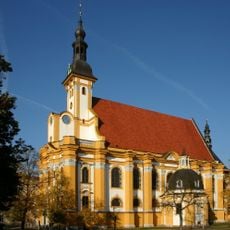
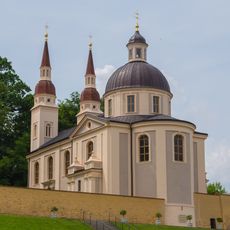
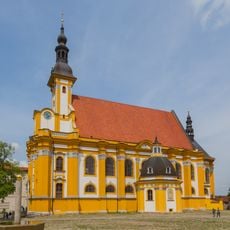
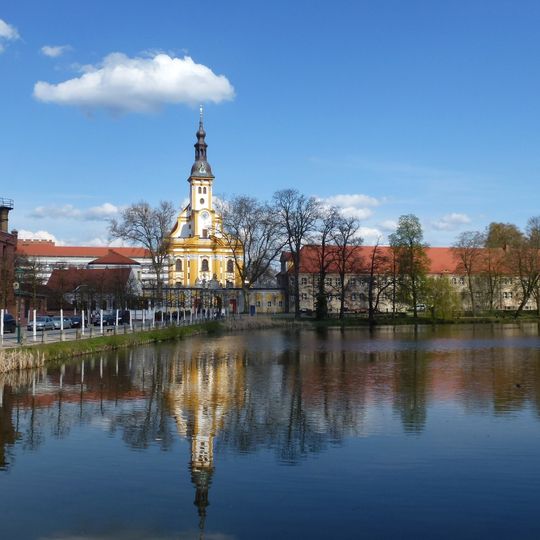
Neuzelle is a small municipality in the Oder-Spree District of Brandenburg, built around a monastery complex that dominates the center of the town. The complex groups together a Baroque abbey church dedicated to St. Mary, several monastic buildings, formal gardens, and the Church of the Holy Cross with its large dome.
The monastery was founded in 1268 by Henry III of Meissen as a Cistercian house, one of the last to be established in this part of medieval Europe. Much of what visitors see today was rebuilt in the Baroque style after the monastery suffered heavy damage during the Thirty Years War.
The name Neuzelle means 'new cell' in German, a direct reference to the monastic community that gave the place its identity. Visitors today can still sense that connection by walking through the Baroque church and the formal gardens, where the layout reflects a way of life that has shaped the town for generations.
The monastery complex sits at the heart of the village and is easy to reach on foot once you arrive in town, whether by train or by car. Plan for at least a couple of hours to walk through the church, the cloisters, and the gardens at a relaxed pace.
Although Brandenburg is historically a Protestant region, Neuzelle's monastery remained in Catholic hands and continued functioning without interruption, which is rare in this part of Germany. That unbroken presence gives the site a character quite different from the many monasteries in the region that were dissolved or repurposed after the Reformation.
The community of curious travelers
AroundUs brings together thousands of curated places, local tips, and hidden gems, enriched daily by 91,402 contributors worldwide.