Zwönitz, town in Saxony, Germany
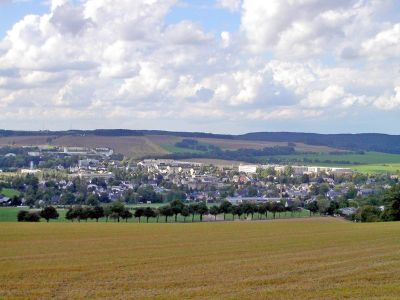
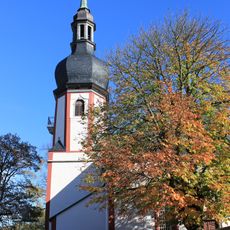
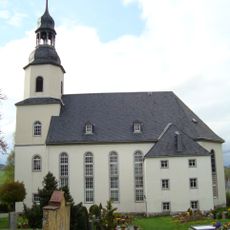
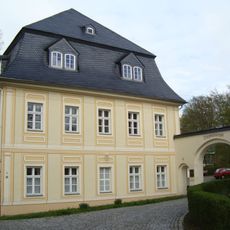
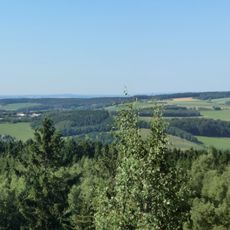
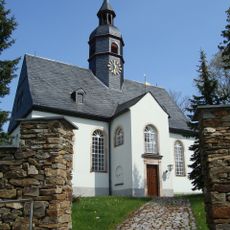
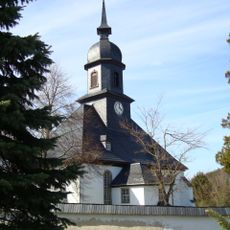
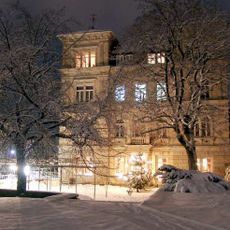
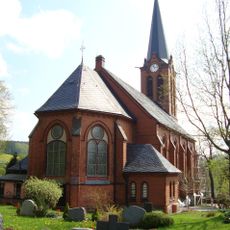
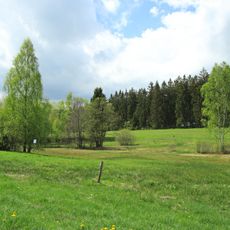
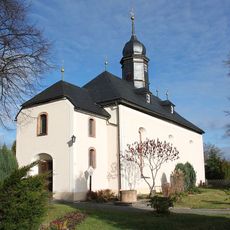
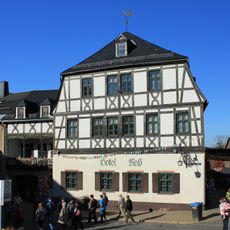
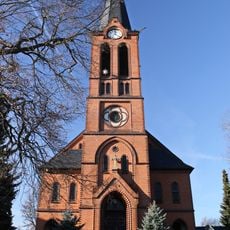
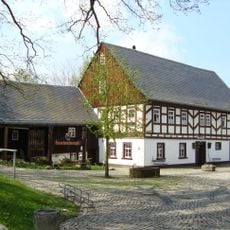
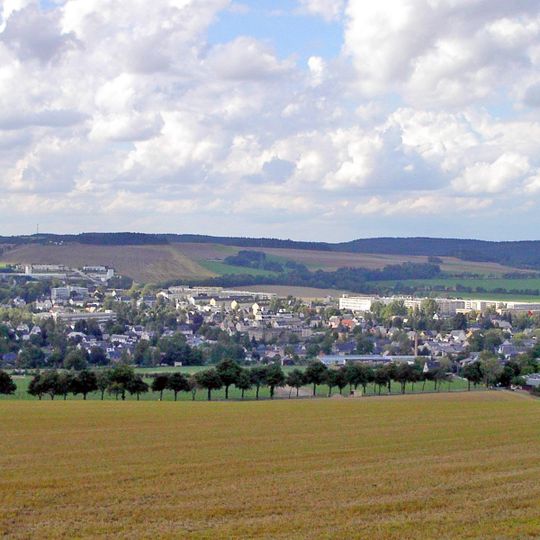
Zwönitz is a small town municipality in the Erzgebirgskreis region with narrow streets, traditional timber-framed houses, and a conventional market square overseen by a stone church. The town encompasses several villages including Dorfchemnitz and Hormersdorf, displaying a mix of older farmhouses and modern residential buildings at approximately 550 meters (1,800 feet) elevation.
Zwönitz was founded by Slavic settlers and received market rights in 1545, marking its growth as a trading and craft center. Mining for silver and other metals became the lifeblood of the town over centuries, shaping its character and economic development.
The name Zwönitz has Slavic origins tied to its earliest settlers in the region. Walking through the town, visitors notice how residents keep their mining heritage alive through local festivals, craft workshops, and the production of traditional Erzgebirge handicrafts that remain central to community identity.
The town is well served by rail with regular train connections to nearby cities like Chemnitz and Stollberg, making it easy to reach and explore the wider Erzgebirge area. Visitors should wear comfortable shoes as the narrow streets and surrounding hills require plenty of walking to discover the main sights and hiking trails.
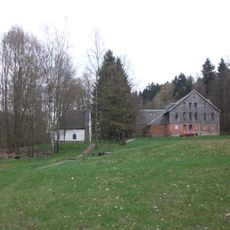
The oldest functioning paper mill in Germany is located in Zwönitz and has been operating since 1568, where visitors can try making paper by hand in workshops. This craft tradition reveals how the town developed industrially alongside mining throughout its history.
The community of curious travelers
AroundUs brings together thousands of curated places, local tips, and hidden gems, enriched daily by 90,864 contributors worldwide.