Ara Ubiorum, Roman sanctuary and archaeological site in Cologne, Germany.
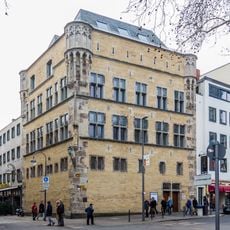
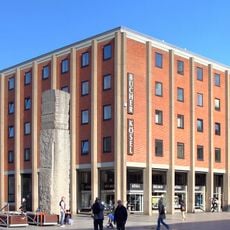
The Ara Ubiorum was a Roman federal altar built in the late 1st century BC within the ancient city of Colonia Claudia Ara Agrippinensium. Its remains lie today beneath the streets and buildings of central Cologne, particularly near the historic St. Alban church and the Gürzenich area.
The altar was founded in the final years of the 1st century BC and served Germanic tribal leaders as a central place of worship under Roman rule. The Battle of the Teutoburg Forest in 9 AD brought political shifts that changed the place's significance for local elites.
The sanctuary was a place where Germanic elites demonstrated their connection to Rome through ceremonies that blended both worlds. Visitors today can sense how this location expressed power and belonging.
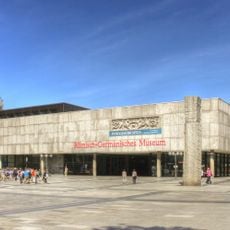
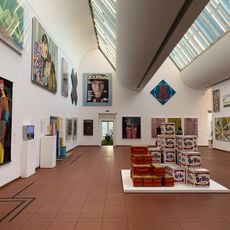
The archaeological remains are not visible as a unified site but scattered beneath the modern cityscape, which means exploring requires guidance from local archaeological resources or a knowledgeable guide. The historic city center near St. Alban and the Cologne museums offer the best starting points for understanding the original location and significance.
A priest named Segimundus, a Cherusci prince, abandoned his duties at the altar after his people suffered a major military defeat against Rome. This dramatic choice reveals how closely personal careers were tied to the shifting fortunes of Germanic peoples during this era.
The community of curious travelers
AroundUs brings together thousands of curated places, local tips, and hidden gems, enriched daily by 60,000 contributors worldwide.