Romano-Germanic Museum, Archaeological museum in Altstadt-Nord, Cologne, Germany
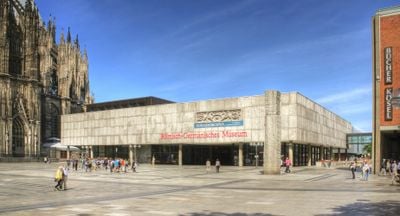
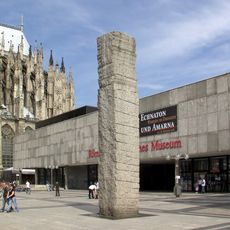
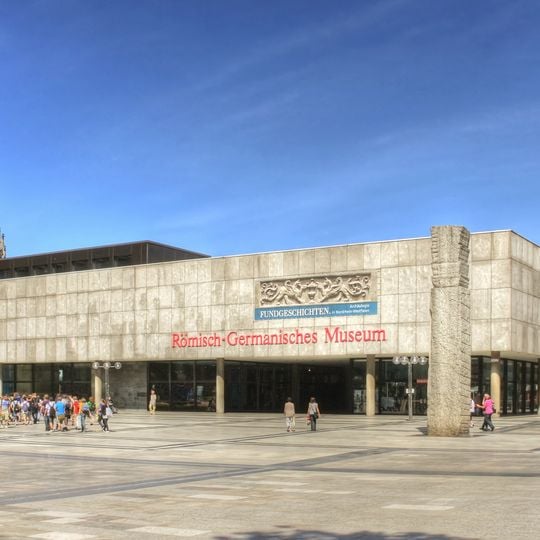
The Romano-Germanic Museum is an archaeological institution in the old town of Cologne presenting finds from before Roman times to the early Middle Ages. It holds objects from excavations across the Rhineland, including pottery, jewelry, weapons and mosaics that trace life in the Roman province of Lower Germania.
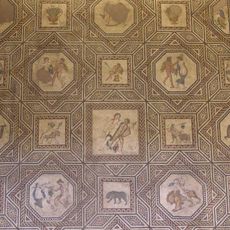
The collection began in 1807 when French authorities gathered Roman burial monuments to save them from destruction. The current building opened in 1974 after workers building an air-raid shelter in 1941 discovered a Roman villa with a well-preserved floor mosaic.
Roman glassware fills long display cases, with bowls, bottles and decorated vessels crafted nearly two thousand years ago. Visitors can see the skill ancient makers used to shape translucent colors and forms, showing how much technique has traveled through time.
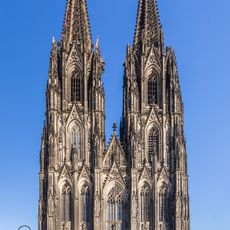
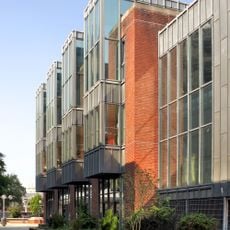
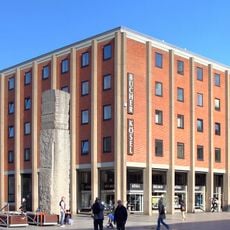
The institution currently operates from Belgian House on Cäcilienstraße while the main building near the cathedral undergoes renovation. Visitors should check the temporary address before heading there, since many still go to the old location beside the Dom.
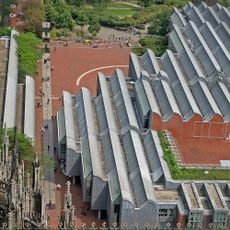
A large floor window at the original building lets visitors look directly down onto the Dionysus mosaic from 220 CE, still resting in the spot where it was found. The structure was built around this Roman villa, making the mosaic part of the architecture itself.
The community of curious travelers
AroundUs brings together thousands of curated places, local tips, and hidden gems, enriched daily by 60,000 contributors worldwide.