Cologne, Roman city on Rhine River, Germany
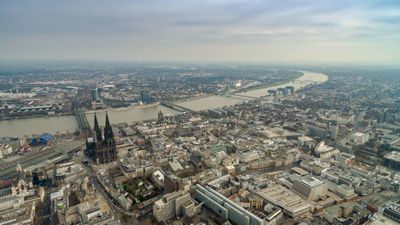
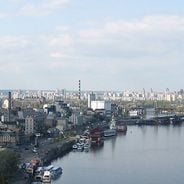
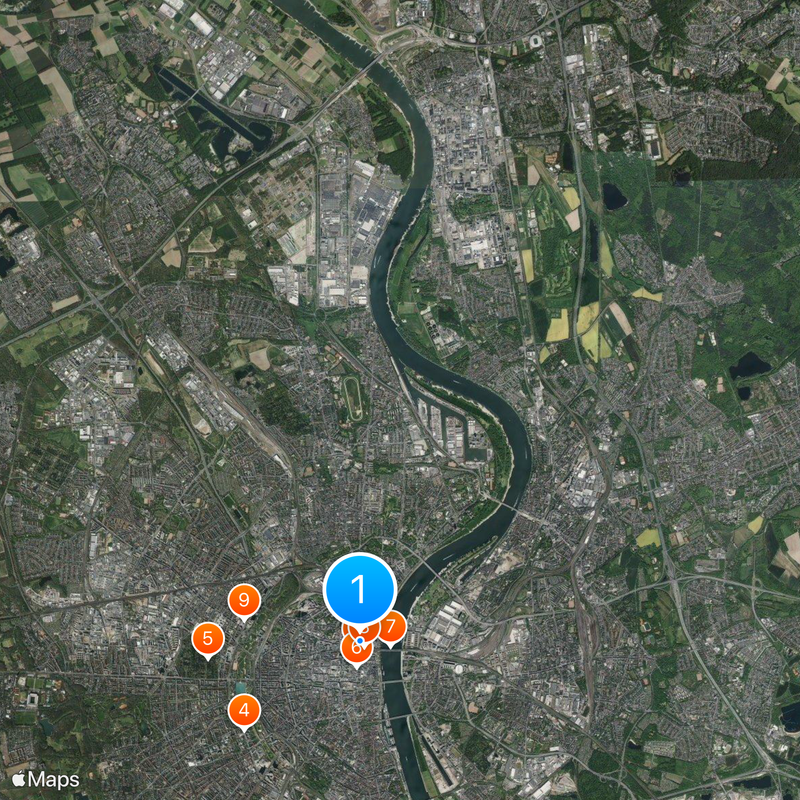
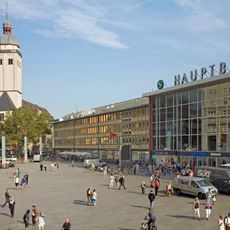
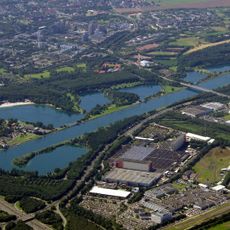
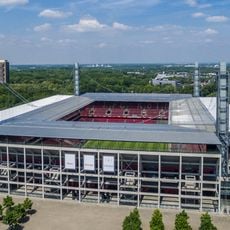
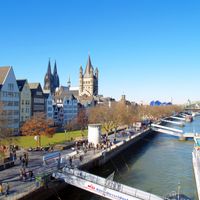
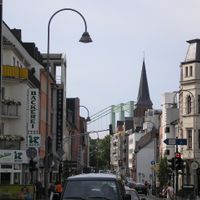
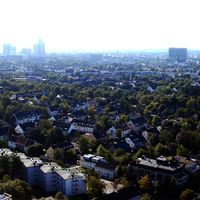
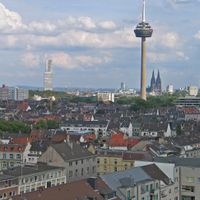
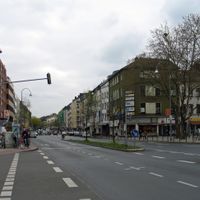
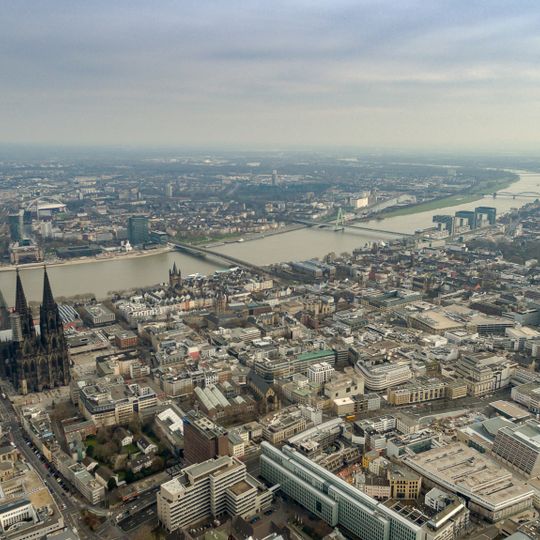
Cologne sprawls along both sides of the Rhine, divided into nine districts that together contain 86 neighborhoods linked by bridges and green corridors running between residential blocks and the waterfront. The cityscape mixes church spires, glass office towers, low brick housing, and industrial buildings near the river, while the old town clusters tightly on the east bank with shopping streets, residential quarters, and outer suburbs radiating outward beyond the medieval ring.
The settlement started as a Roman military post in 38 BCE and grew into Colonia Claudia Ara Agrippinensium, one of the most important urban centers in the province of Germania. Medieval growth as a trading hub and heavy bombing during World War II shaped the current layout, which combines fragments of Roman walls with postwar reconstruction and modern development.
Carnival season brings colorful parades in February, with floats rolling through the old town and groups dressed in traditional costumes filling the streets with singing and brass music. The brewhouses serve their local beer in tall, narrow glasses that servers refill often, and customers sit at long wooden tables eating regional sausages and sharing space with strangers in a relaxed, communal atmosphere.
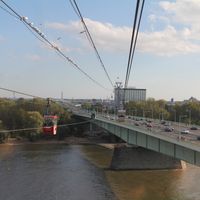
Public transit connects all districts through 11 underground lines and 8 commuter routes running frequently from early morning until midnight, while trams and buses reach the outer neighborhoods. Many landmarks in the center lie within walking distance of each other, especially along the Rhine promenade that stretches from the cathedral to the southern bridges without major obstacles.
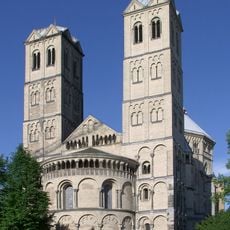
Twelve Romanesque churches from medieval times still stand and form a ring around the central district, each showing distinct arrangements of towers, windows, and side chapels. The floor plans and facades of these churches differ noticeably from one another, and walking between them along nearby streets lets you compare round arches, heavy columns, and varying roof shapes within short distances.
Location: Cologne Government Region
Elevation above the sea: 59 m
Shares border with: Rhein-Erft District, Rhein-Sieg District, Rhein-Berg District, Leverkusen, Mettmann, Rhein-Kreis Neuss, Hürth
Address: Cologne, Germany
Website: https://stadt-koeln.de
GPS coordinates: 50.94222,6.95778
Latest update: December 2, 2025 21:09
This ranking includes the most populous cities in Europe in 2025, from Moscow with 11.62 million inhabitants to Budapest with 1.7 million. It features major European capitals like London, Berlin, Madrid, Rome, and Paris, as well as Saint Petersburg, Vienna, and Hamburg. These metropolitan areas are the continent's main demographic centers, each with its own history, architecture, and legacy. The selection is based on the municipal population of each city. Some cities surprise with their size, such as London, which covers an area fourteen times larger than Paris, or Rome, which extends over a territory twelve times greater than the French capital. Others are distinguished by their major economic roles, such as Hamburg, which hosts Germany's largest port, or by their internationally recognized quality of life, like Vienna. These destinations invite exploration of European urban diversity from east to west.
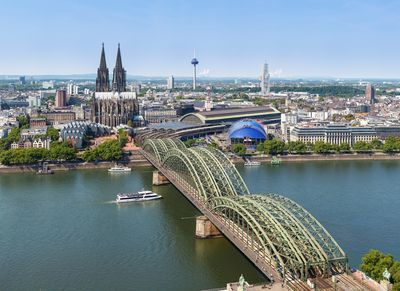
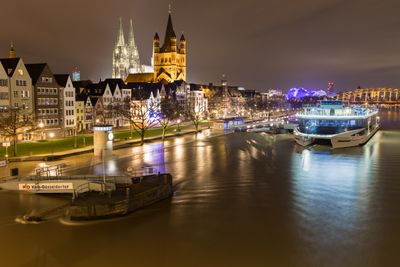
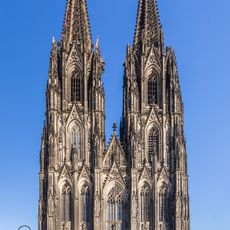
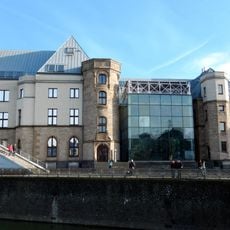
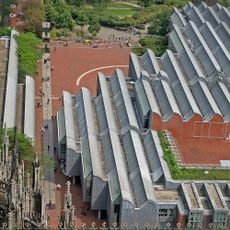
Cologne, the fourth largest city in Germany, has stood on the banks of the Rhine for over two thousand years. This collection presents the main monuments, museums, and sites that trace the city's history from Roman times to the present day. The Gothic cathedral dominates the city center with its two 157-meter-tall towers, while remnants of medieval fortifications, such as the Hahnen Gate, testify to the defensive past of the city. The museums in Cologne offer a journey through the centuries. The Roman-Germanic Museum displays Dionysus’ mosaic and archaeological remains of the Roman colonia. The Wallraf-Richartz Museum houses seven centuries of European painting, from the Middle Ages to Impressionism. The Museum Ludwig contains one of the largest collections of pop art outside the United States, including major works by Warhol and Lichtenstein. The Nazi Documentation Center, located in the former Gestapo headquarters, documents the period from 1933 to 1945. The Chocolate Museum traces the history of cacao from Central America, while the Farina House remembers that Cologne has given its name to a world-famous fragrance since the 18th century.
Cologne Cathedral
101 m
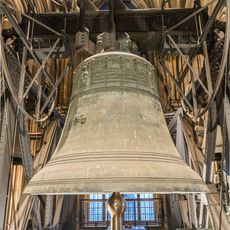
Petersglocke
135 m
University of Cologne
2.6 km
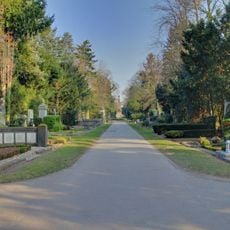
Melaten-Friedhof
2.7 km
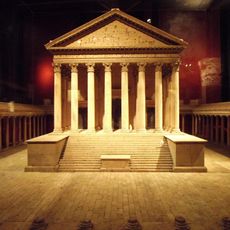
Colonia Claudia Ara Agrippinensium
467 m
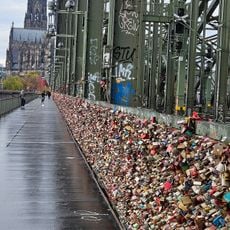
Hohenzollern Bridge
553 m
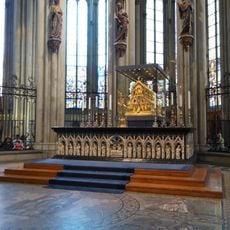
Shrine of the Three Kings
134 m
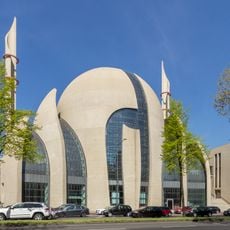
Cologne Central Mosque
2.1 km
Schokoladenmuseum Köln
1.2 km
Cologne Zoological Garden
2.1 km
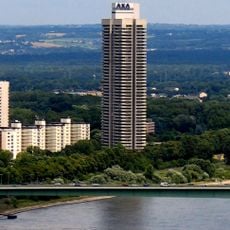
Colonius
1.9 km
Museum Ludwig
220 m
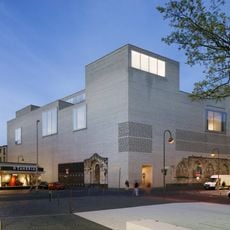
Kolumba
490 m
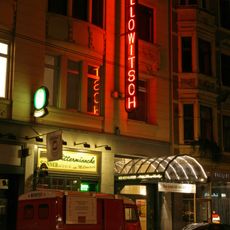
Volkstheater Millowitsch
1.6 km
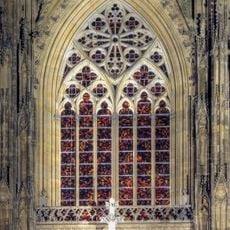
Cathedral Window
139 m
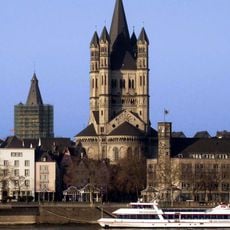
Great St. Martin Church
504 m
Köln Messe/Deutz station
1.2 km
Leverkusen Bridge
10.3 km
Palladium
5.1 km
Kölner Philharmonie
252 m
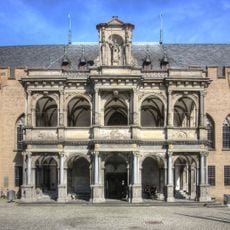
Cologne City Hall
482 m
St. Gereon's Basilica
836 m
Forts in Cologne
1.7 km
Colonia-Haus
2.7 km
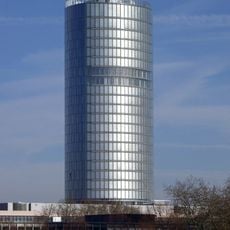
KölnTriangle
995 m
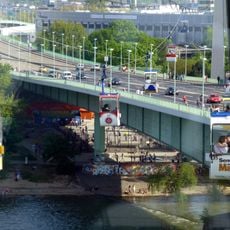
Cologne Cable Car
1.8 km
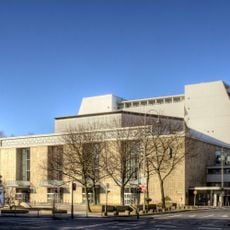
Cologne Opera
632 m
Romano-Germanic Museum
204 mVisited this place? Tap the stars to rate it and share your experience / photos with the community! Try now! You can cancel it anytime.
Discover hidden gems everywhere you go!
From secret cafés to breathtaking viewpoints, skip the crowded tourist spots and find places that match your style. Our app makes it easy with voice search, smart filtering, route optimization, and insider tips from travelers worldwide. Download now for the complete mobile experience.
A unique approach to discovering new places❞
— Le Figaro
All the places worth exploring❞
— France Info
A tailor-made excursion in just a few clicks❞
— 20 Minutes