Wustermark, municipality in Brandenburg state, Germany
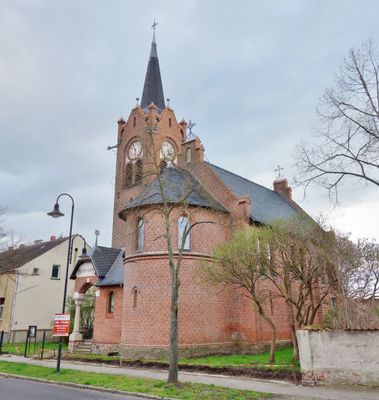
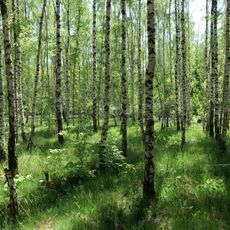
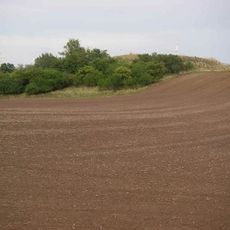
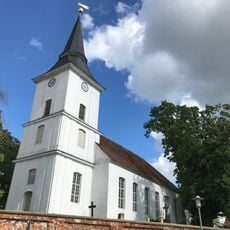
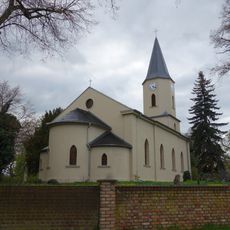
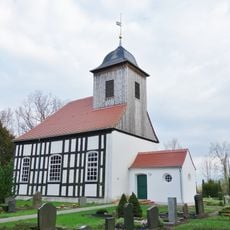
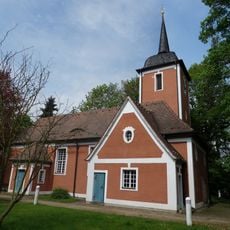
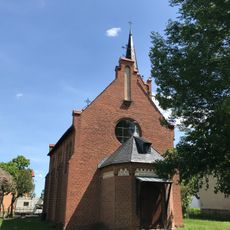
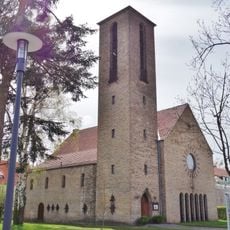
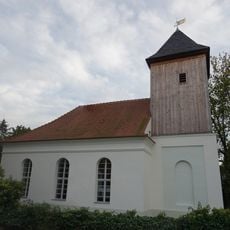
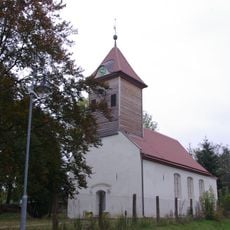
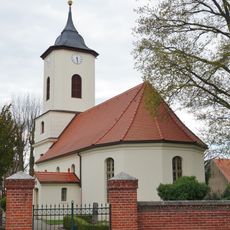
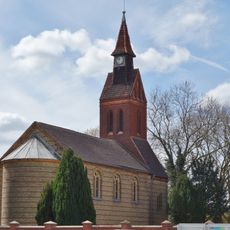
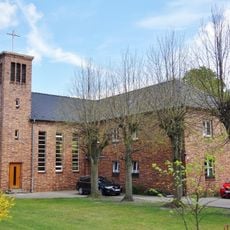
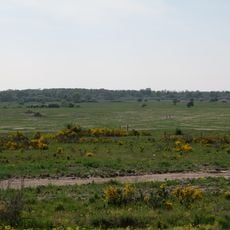
Wustermark is a small municipality in the Havelland District formed in 2002 from five villages: Buchow-Karpzow, Elstal, Hoppenrade, Priort, and Wustermark itself. The landscape is flat at about 115 feet (35 meters) above sea level, with open fields and simple houses and farms spread across quiet roads.
The area has been inhabited since at least the Middle Ages, with the five villages rooted in farming and local trade. A significant historical point is Elstal, which served as the Olympic Village during the 1936 Summer Games in Berlin, and some buildings from that period still stand today.
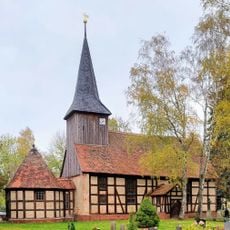
The name Wustermark comes from the Wuster family and the old German word "Mark" meaning border territory. Today farming shapes the character of the place, and you can see agricultural buildings and fields everywhere, connecting people to the land in a visible and tangible way.
The place is flat and easy to explore on foot or by bicycle since the roads are quiet and paths are accessible. Visitors should bring good footwear and weather protection, as the area is open and exposed to the elements, especially during colder months.
Elstal, one of the five villages within Wustermark, has a rare historical connection: it was the Olympic Village for the 1936 Berlin Summer Games, and the still-standing buildings tell this sports history from another era. This remnant is interesting for visitors wanting to understand the link between a small rural place and a major historical event.
The community of curious travelers
AroundUs brings together thousands of curated places, local tips, and hidden gems, enriched daily by 92,464 contributors worldwide.