Nolde Museum Seebüll, Art museum in Seebüll, Germany
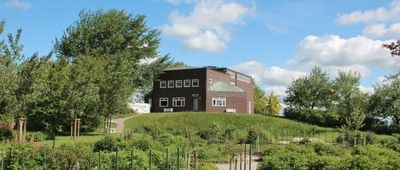
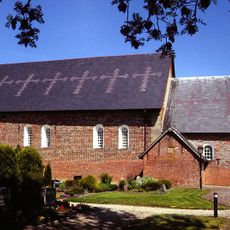
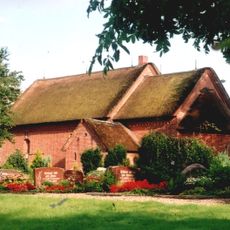
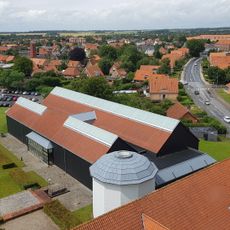
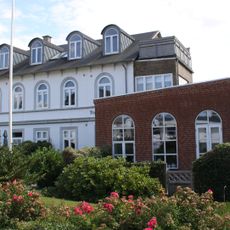
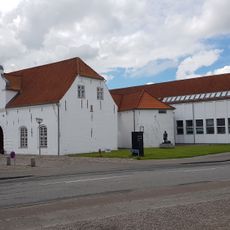
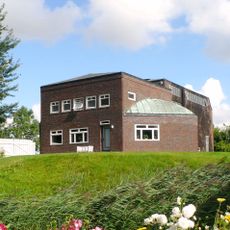
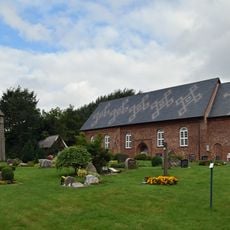
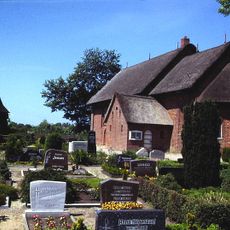
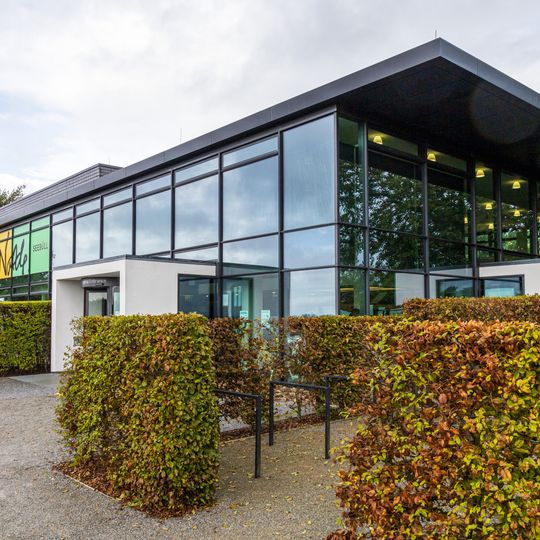
The Nolde Museum Seebüll is an art museum in a brick building designed by Emil Nolde himself, located in the small village of Seebüll in the far north of Germany, near the Danish border. It holds paintings, watercolors, and prints by the German expressionist, covering themes such as landscapes, religious scenes, and flowers.
Emil and Ada Nolde bought the land in Seebüll in the 1920s and had their home and studio built there. After the artist died in 1956, the Ada and Emil Nolde Foundation turned the property into a museum open to visitors.
The building was designed by Nolde and his wife Ada, and it reflects their personal vision of how art and daily life should coexist. Walking through the rooms, visitors get a sense of how the surrounding flat landscape shaped the colors and forms in his paintings.
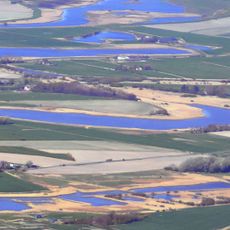
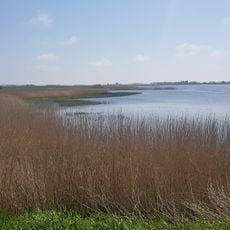
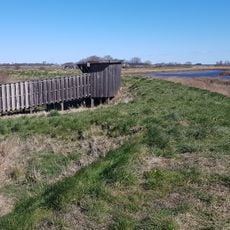
The museum sits in a flat, open landscape and is easiest to reach by car, with parking available on site. A visit in spring is worth considering, as the fields around the building bloom in ways that echo the colors in Nolde's flower paintings.
During World War II, Nolde secretly made over 1,300 small watercolors after the Nazi regime banned him from painting. He called them the "Unpainted Pictures," and some of them are on display in the museum today.
The community of curious travelers
AroundUs brings together thousands of curated places, local tips, and hidden gems, enriched daily by 60,000 contributors worldwide.