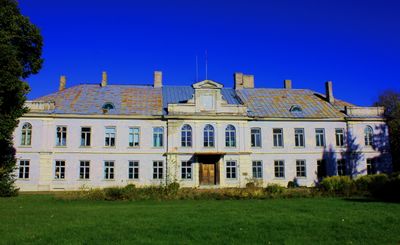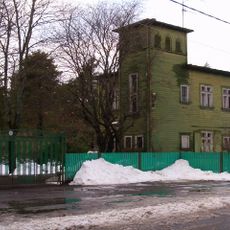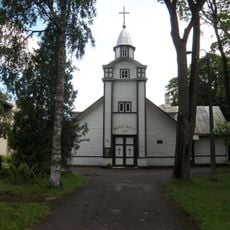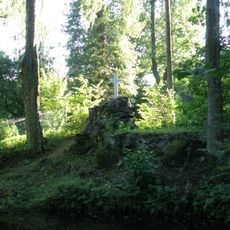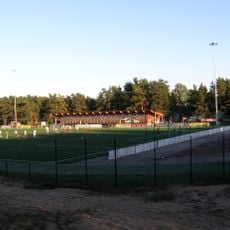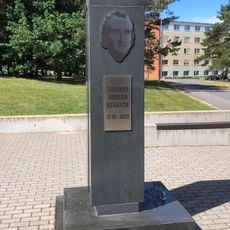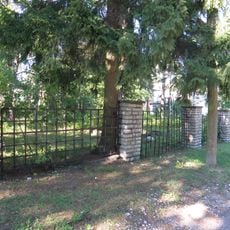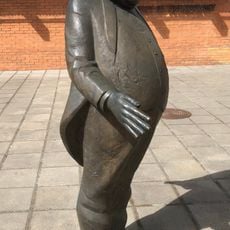
Harku Manor, Manor complex in Harku Parish, Estonia
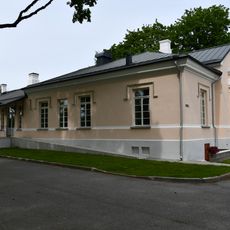
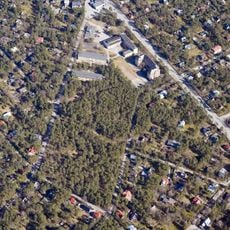
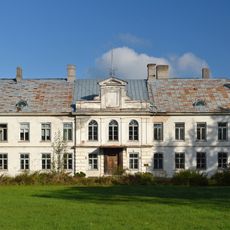
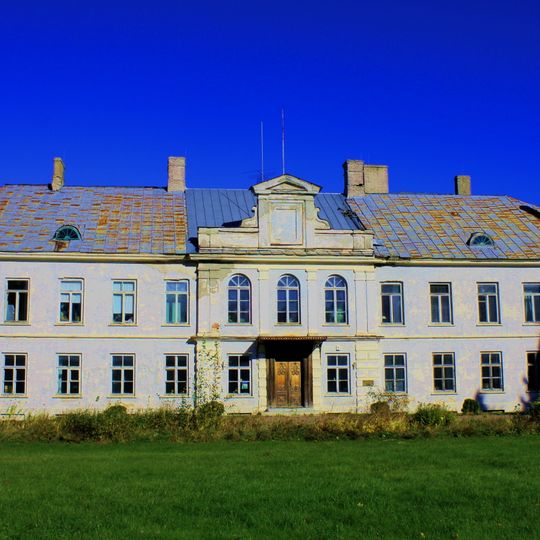
Harku Manor is a two-story residence built in the Neo-Renaissance style, with major modifications completed in 1875. The main building now houses the Institute of Experimental Biology and sits within a spacious 20-hectare park featuring a pond with five connected islands.
First documented in 1372 under the Livonian Order, the manor became a significant location in regional history. In 1710, it served as the site where Russia and Sweden signed a capitulation agreement.
The manor represents the evolution of Baltic German nobility influence through its architectural transitions from Medieval stronghold to Neo-Renaissance residence.
The grounds are accessible to visitors, with the park and outdoor areas open to explore at your own pace. Daytime visits work best for seeing the architecture clearly and walking the park paths comfortably.
The grounds hold the ruins of a medieval greenhouse structure and historical cattle facilities built across different time periods. These remnants show how the estate supported its operations through different eras of farming and estate management.
The community of curious travelers
AroundUs brings together thousands of curated places, local tips, and hidden gems, enriched daily by 92,841 contributors worldwide.