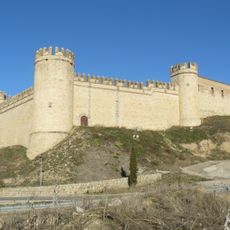
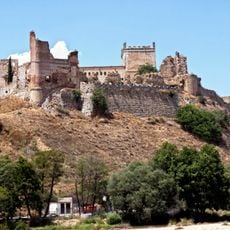
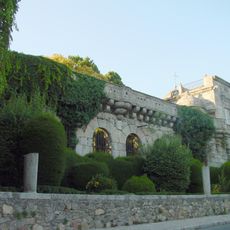
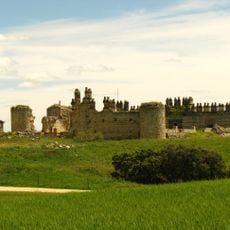
Hispania, Historical region in Iberian Peninsula, Spain
Hispania was the Roman territory covering the entire Iberian Peninsula, stretching from the Mediterranean Sea to the Atlantic Ocean. The region was organized into several provinces and served as a vital part of the Roman empire.
The Romans established control over Hispania in 206 BCE after defeating the Carthaginians in a decisive military campaign. This conquest marked the beginning of several centuries when the territory became fully integrated into the Roman empire.
Roman cities emerged across the region with forums, markets, and public buildings that became centers of daily life for inhabitants. These urban spaces shaped how people lived, worked, and interacted with one another in their communities.
The territory contained significant mineral deposits including gold and silver that Romans systematically exploited through mining operations. These raw materials were exported throughout the Roman empire and contributed to its economic prosperity.
The name Hispania may derive from a Phoenician word meaning 'land of rabbits,' as these animals were found in abundance across the peninsula. This naming origin reveals how early traders perceived and described the natural features of the region.
The community of curious travelers
AroundUs brings together thousands of curated places, local tips, and hidden gems, enriched daily by 90,996 contributors worldwide.