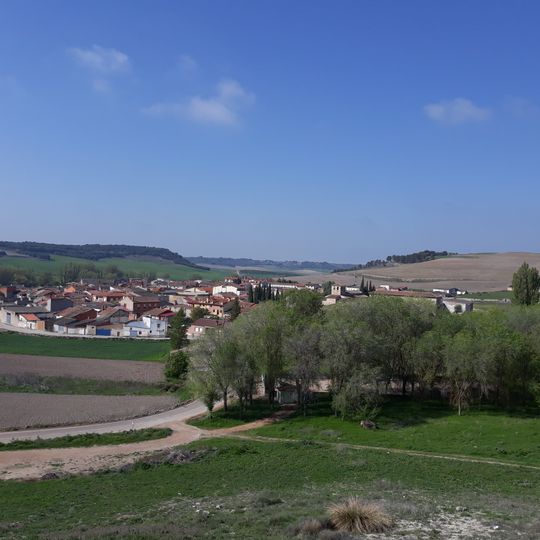
Wamba, village in Spain
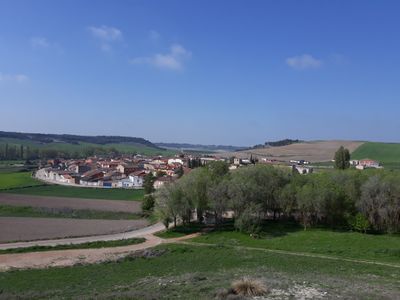
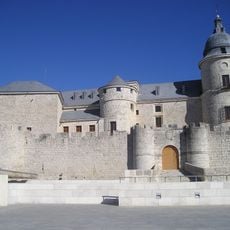
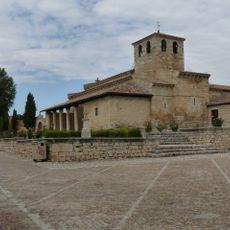
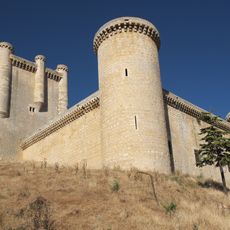
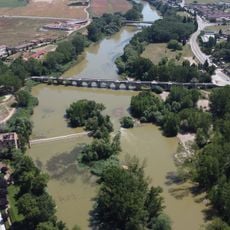
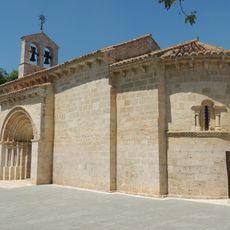
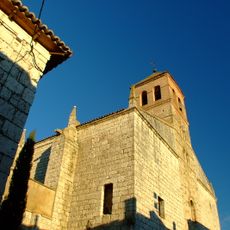
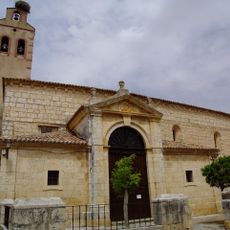
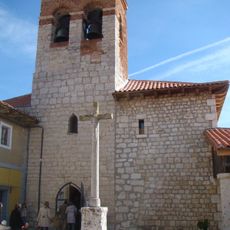
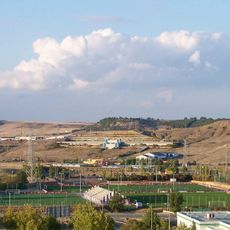
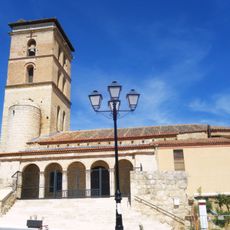
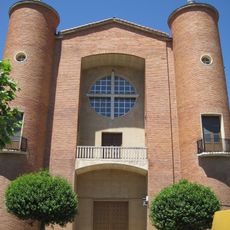
Wamba is a small municipality in Valladolid province with roots reaching back to the Visigothic period and medieval structures still standing today. The heart of the town centers on the Church of Santa Maria, which displays architectural elements from different eras, while simple houses and surrounding farmland preserve its rural character.
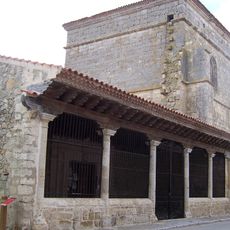
Wamba's history is inseparable from King Wamba, a Visigothic ruler whose name was given to the place and whose era shaped the region. The church displays remains from the Visigothic period and was later expanded and restored by military orders during the Middle Ages.
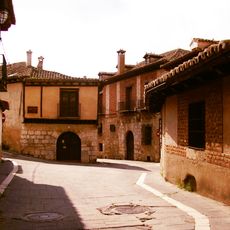
The town's name comes from a Visigothic king who ruled centuries ago and remains deeply connected to its identity. Walking through the narrow streets, you see how local life still centers on farming and small community gatherings in the squares.
It is best to contact ahead if you wish to visit the church and its spaces, as these are typically open for groups and guided tours. The town sits along the Camino de Santiago route and is easily explored on foot, particularly during warmer months when access is more reliable.
A striking feature is the large ossuary within the church, a chamber holding hundreds of bones from multiple centuries, one of Spain's largest. The remains were studied by scholars including researcher Gregorio Marañón and include not only monks but also women and children from the surrounding area.
The community of curious travelers
AroundUs brings together thousands of curated places, local tips, and hidden gems, enriched daily by 90,868 contributors worldwide.