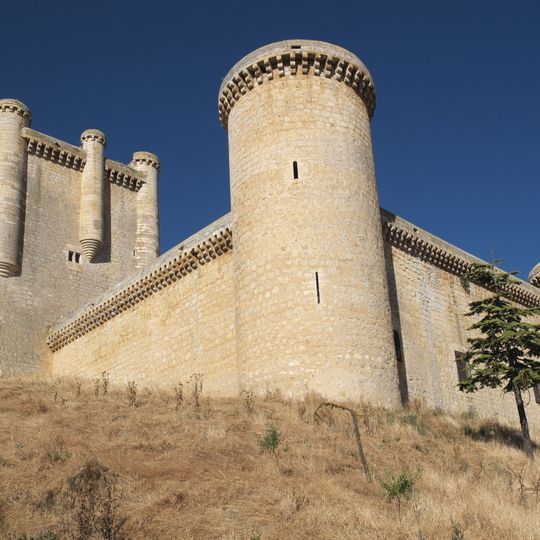
Castle of Torrelobatón, Medieval fortress in Torrelobatón, Spain
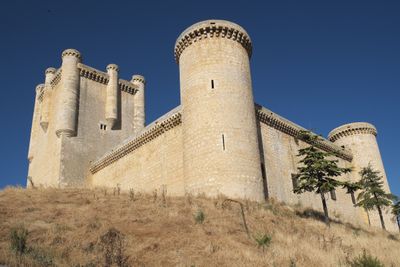
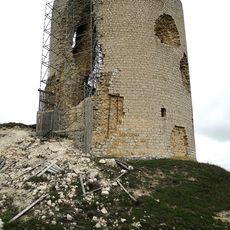
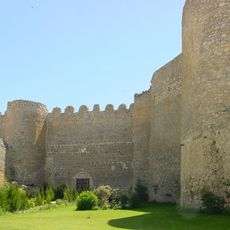
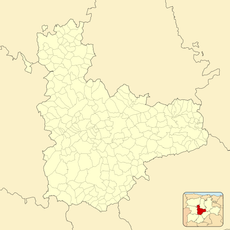
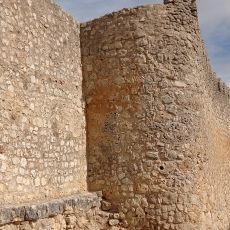
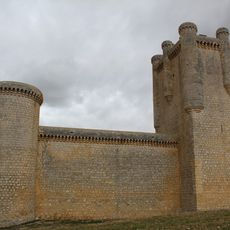
The Castle of Torrelobatón is a medieval fortress in Valladolid Province, Spain, sitting on a low hill above the village it shares its name with. It is built around a square courtyard enclosed by thick stone walls, with a tall, freestanding keep rising at its center.
The oldest parts of the fortress date to the 13th century, though the castle was largely expanded in the 15th century under the lords of Torrelobatón. In 1521, it became a key point in the Comuneros revolt, when Juan Padilla held it as a base against King Charles I.
Two chained wolves are carved above the entrance gate, acting as the heraldic symbol of the lords of Torrelobatón. The name of the village itself echoes this connection, and the carved figures remain clearly visible to anyone entering the site today.
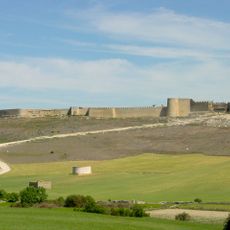
The castle sits at the edge of the village of Torrelobatón and is easy to spot from the surrounding area. Opening conditions change with the season, so it is worth checking locally before you go, and sturdy footwear is a good idea given the uneven ground inside.
The walls of the central keep are surprisingly thin for a tower of its height, suggesting it was built more to project power than to withstand a long siege. This becomes noticeable from inside, where the proportions feel different from what you might expect in a purely military structure.
The community of curious travelers
AroundUs brings together thousands of curated places, local tips, and hidden gems, enriched daily by 92,217 contributors worldwide.