Joaquín Díaz Ethnographic Museum, Ethnographic museum in Urueña, Spain
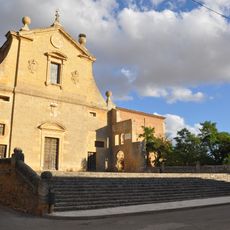
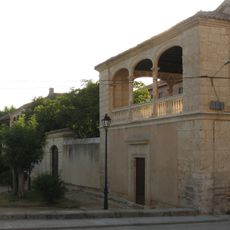
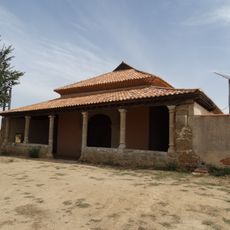
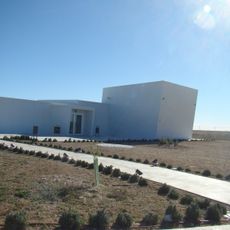
The Joaquín Díaz Ethnographic Museum occupies the Casa de la Mayorazga in Urueña, province of Valladolid, its permanent seat since March 1991. Across two floors it holds an exhibition on "Amas de cría", pliegos de cordel, a collection of prints, a library, a sound archive and an instrument museum. The ground floor holds the Amas de cría display, the prints, the entrance hall and the pliegos de cordel; the upper floor holds the prints and instruments.
The museum grew from the private collection of ethnomusicologist Joaquín Díaz González, who wanted to preserve the musical heritage of the Iberian Peninsula. It was founded in 1985 and opened its doors to visitors in 1991.
The museum serves as a keeper of musical traditions from the Iberian Peninsula and shows how these sounds shaped daily life for generations of people. Visitors see photographs and documents that reveal how these traditions changed and adapted over time.
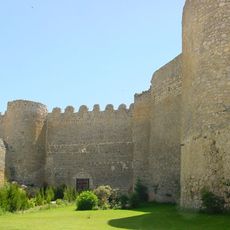
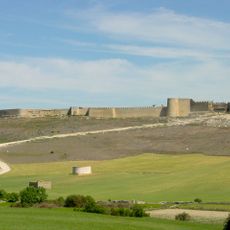
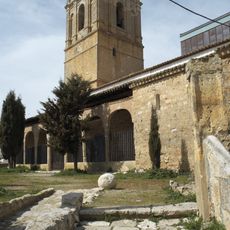
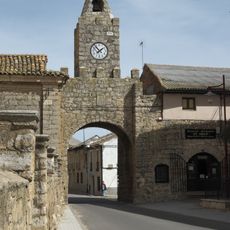
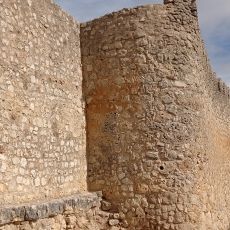
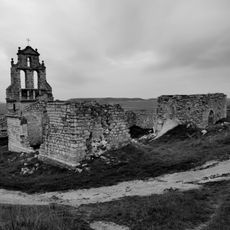
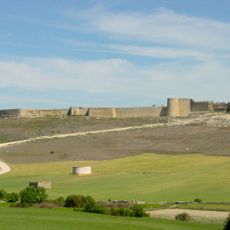
The museum occupies the Casa de la Mayorazga, with the ground floor holding the "Amas de cría" display, the engravings, the zaguán and the pliegos de cordel, and the upper floor the instrument collection. The building sits inside the walled town of Urueña, in the province of Valladolid.
The museum's documentary holdings include a sound library and a video library of field recordings made mainly in Valladolid and the provinces of Castile and León. The centre also keeps a list of the demonyms, or gentilicios, used for the villages of Valladolid province.
The community of curious travelers
AroundUs brings together thousands of curated places, local tips, and hidden gems, enriched daily by 94,174 contributors worldwide.