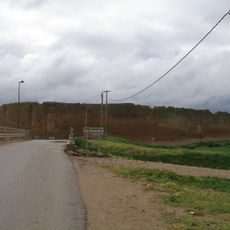
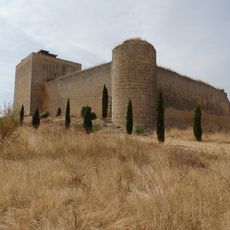
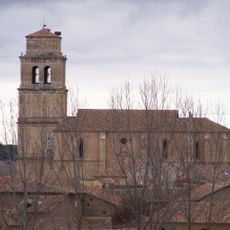
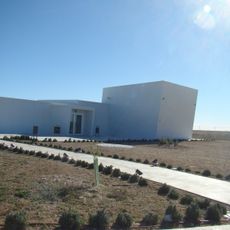
Yacimiento de Cerro de la Ermita, Archaeological site in Tiedra, Valladolid, Spain
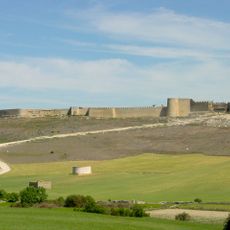
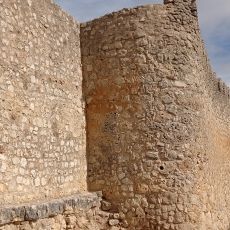
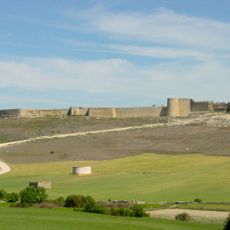
Yacimiento de Cerro de la Ermita is an archaeological site on a limestone spur of the páramo above the Duero River, about 500 m west of Tiedra. Its 14 hectares run from the hermitage and its cemetery to the end of the spur. A Vaccaean ditch lies near the village to the north, and Celtiberian-Vaccaean black and painted pottery has been collected in the eastern trenches.
The site was originally a Vaccaean settlement that later became the Roman city of Amallobriga, recorded by classical writers including Pliny and Ptolemy. This transformation shows how the location held strategic value for successive ancient civilizations.
Excavations at the site have revealed multiple layers of artifacts, including black Soto de Medinilla II ceramics and Roman construction materials such as bricks and tiles.
The site covers about fourteen hectares on a limestone spur above the Duero, running from the hermitage and its cemetery to the end of the plateau. The Vaccaean ditch lies near Tiedra on the north side, and Celtiberian-Vaccaean pottery was collected in the trenches toward the Toro road. The ground is uneven and exposed, so wear sturdy shoes and bring water.
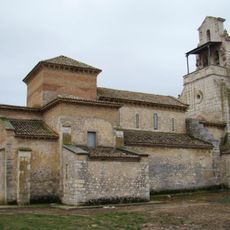
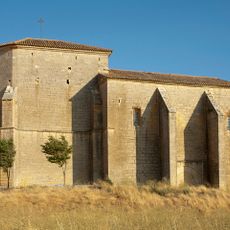
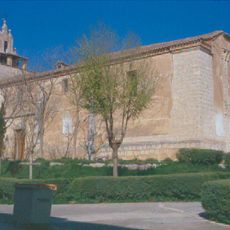
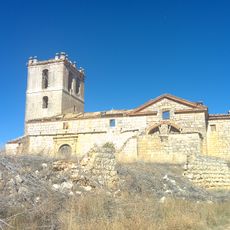
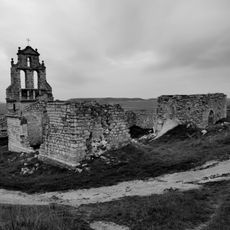
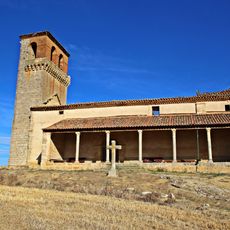
The hermitage of Nuestra Señora de Tiedra Vieja, built in the late 16th century, stands over the buried Vaccaean and Roman city; the site's cemetery has yielded Vaccaean pottery and Roman terra sigillata. The plateau covers about fourteen hectares, and aerial photography from 1991 and 2001 revealed the street plan and building sizes of Amallobriga.
The community of curious travelers
AroundUs brings together thousands of curated places, local tips, and hidden gems, enriched daily by 94,755 contributors worldwide.