Embalse de la Santa Espina, Reservoir in Spain
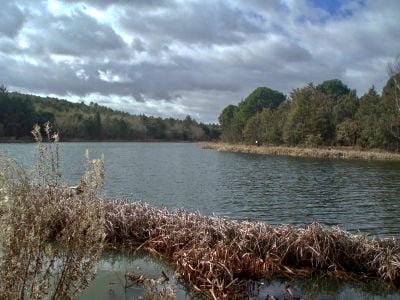
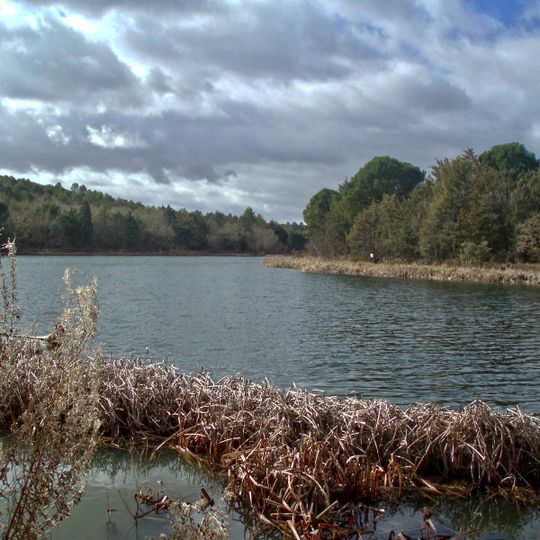
The Embalse de la Santa Espina is a reservoir in Valladolid Province built in the 1960s on the Bajoz River with a capacity of 60,000 cubic meters. The water body now serves visitors as a fishing and hiking destination rather than for irrigation purposes, with trails connecting the monastery and nearby villages.
The reservoir was built in the 1960s by the Servicio de Concentracion Parcelaria with loose materials and a clay core to provide irrigation water for valley farmland. Over time its function shifted toward recreation and nature protection, and the site is now recognized as an important habitat for bird species.
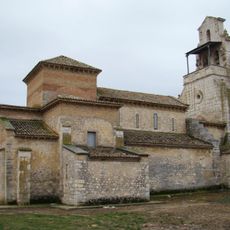
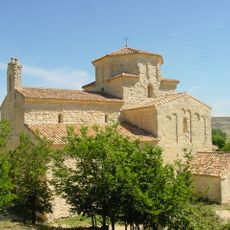
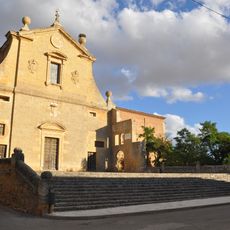
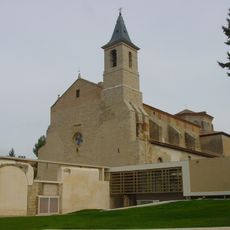
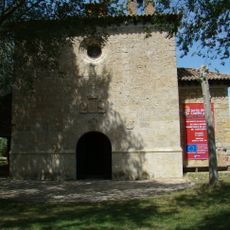
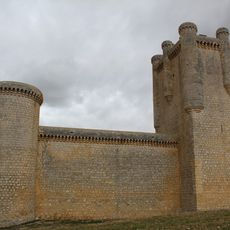
The monastery of Santa Espina shaped the spiritual and social identity of the settlement since medieval times. Today, the sacred site and its surroundings reflect how religious devotion influenced local life and continues to draw visitors seeking connection to the past.
The site is easy to visit with gentle walks around the water or along the Senda del Pantano trail that connects the monastery to nearby Castromonte. Wear comfortable clothes, bring water, and respect wildlife; note that drones are not allowed in this area.
The water is home to the gallipato, a small newt native to the Iberian Peninsula that uses an unusual defense strategy with venomous ribs. This rare species is often overlooked by visitors, though it can be spotted along the shores especially during mating season from January to February.
The community of curious travelers
AroundUs brings together thousands of curated places, local tips, and hidden gems, enriched daily by 92,340 contributors worldwide.