Punic wall of Cartagena, Carthaginian archaeological site in Cartagena, Spain.
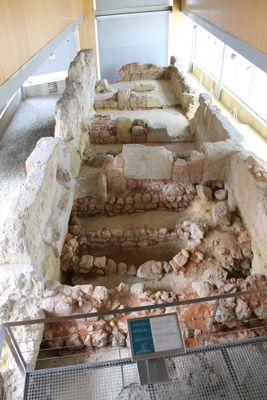
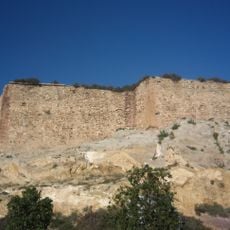
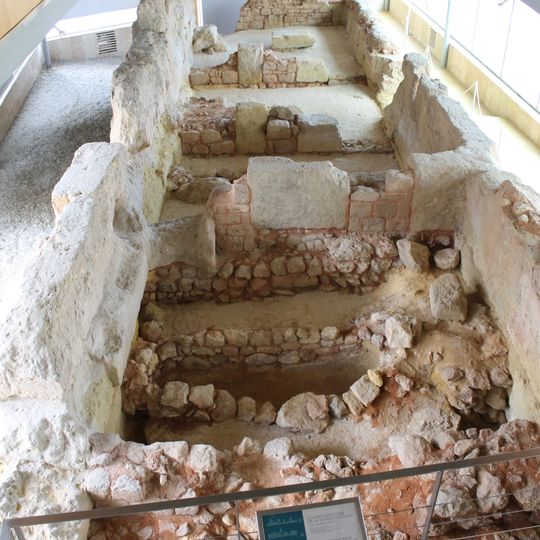
The Punic Wall is an ancient Carthaginian fortification built with two parallel stone ramparts constructed from locally quarried sandstone. The structure reveals the layered construction typical of military defenses from this period, with portions still visible to visitors today.
The wall was built in the mid-3rd century BC under Carthaginian leadership to defend the newly established settlement. It stood until around 209 BC, when Roman forces conquered the city and damaged the fortification during the assault.
The wall reveals how the Carthaginians protected their settlement and what defensive construction meant to them in daily life. Visitors can observe the careful stonework and appreciate the role such fortifications played in the community's survival.
The site is partially excavated and accessible to visitors, with an Interpretation Center offering guided tours and exhibitions to help understand the fortification. Plan time for both the ruins and the center, as the exhibits provide helpful context for exploring the remains.
Archaeological finds reveal burn marks on the stones from the intense battle when Roman forces captured the city. These marks bring the human drama of ancient warfare to life for visitors exploring the site.
The community of curious travelers
AroundUs brings together thousands of curated places, local tips, and hidden gems, enriched daily by 91,942 contributors worldwide.