Dispensari Antituberculós, cultural property in Barcelona, Spain
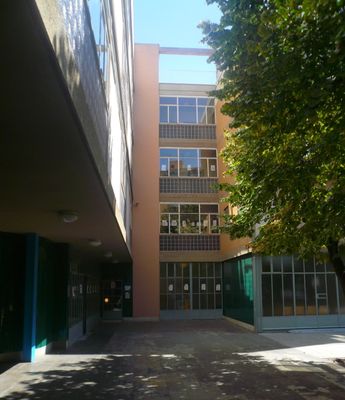
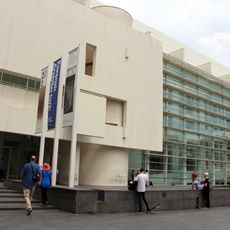
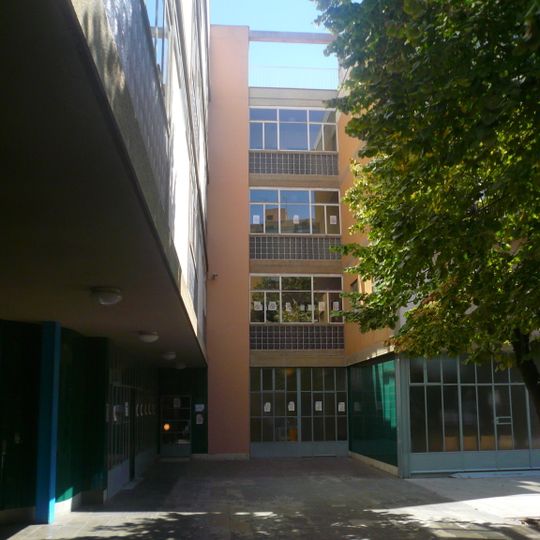
The Dispensari Antituberculós is a health building in Barcelona designed in the 1930s following modern principles of efficiency and function. The structure consists of three concrete blocks arranged in an L-shape, housing treatment rooms, laboratories, administrative offices, and a small entrance garden. The open floor plans and extensive windows allow natural light and air circulation throughout, features considered essential for medical care at that time.
The building was designed between 1934 and 1937 by architects who embraced the modern rationalist movement and promoted new ideas about health and urban planning. It was the first facility in Catalonia built specifically to treat tuberculosis, a disease affecting many residents in densely packed neighborhoods like El Raval at that time. Construction occurred during a period of significant urban transformation, reflecting the belief that modern architecture could improve public health outcomes.
The Dispensari Antituberculós takes its name from its original purpose as a treatment center for tuberculosis. Located in El Raval, a densely populated neighborhood, it served as a visible sign of the city's commitment to fighting a widespread disease. Today, the building continues to serve residents as a health center, remaining a symbol of public health advancement.
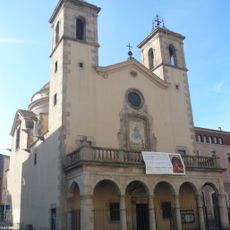
The building operates today as a functioning health center and is easily accessible behind the church of Sant Pere Nolasc on Plaça Castella. Visitors can view the exterior architecture and site layout at no cost, though the interior remains an active clinic. It helps to explore the surrounding El Raval neighborhood to understand the urban context for which this building was originally designed.
The building's roof was originally equipped with sunbathing areas where patients received light and air therapy, considered a vital part of tuberculosis treatment at the time. This therapeutic use of rooftop space shows how doctors and architects designed the building itself as a treatment tool.
The community of curious travelers
AroundUs brings together thousands of curated places, local tips, and hidden gems, enriched daily by 91,283 contributors worldwide.