Uffington White Horse, Prehistoric chalk hill figure in Oxfordshire, England
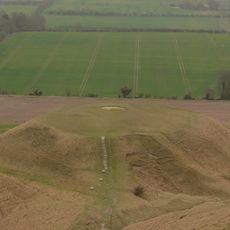
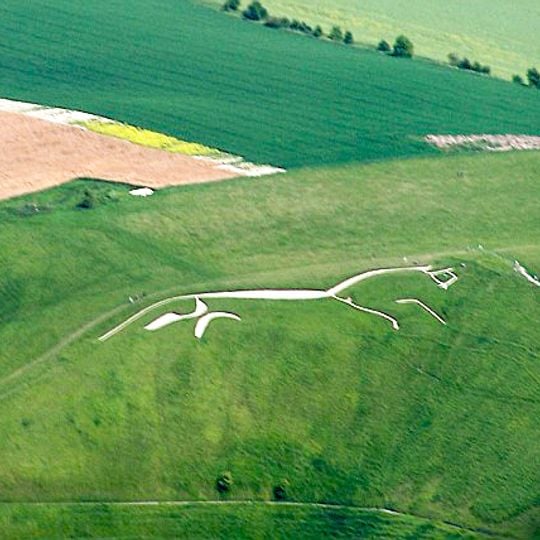
The Uffington White Horse is a prehistoric hill figure 110 m long, cut as deep trenches filled with crushed white chalk on the upper slopes of Whitehorse Hill in Oxfordshire. Its thin, angular body has four outstretched legs, a long neck reaching to a small head and a long tail curving out to the left.
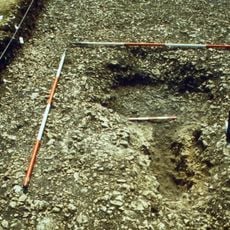
Optically stimulated luminescence testing of silt deposits in 1990 dated the figure to between 1380 and 550 BC, the late Bronze Age or early Iron Age, making it Britain's oldest chalk figure. Until the late 19th century it was scoured every seven years during a fair on the hill. In 2024 Oxford Archaeology, the National Trust and English Heritage began restoring its original outline.
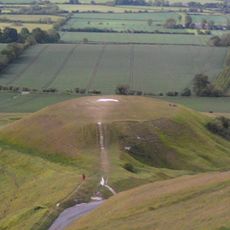
The horse has been called a horse since at least the 11th century: a cartulary of Abingdon Abbey compiled between 1072 and 1084 names the hill "mons albi equi". Local tradition links the figure to Saint George, who was said to have fought the dragon on nearby Dragon Hill.
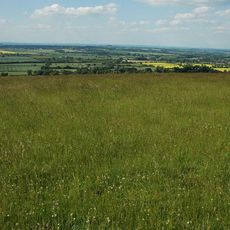
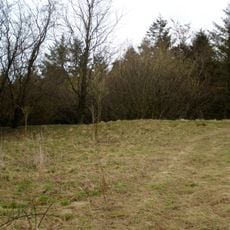
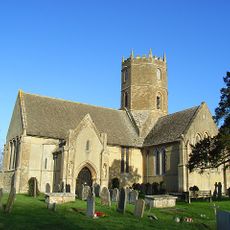
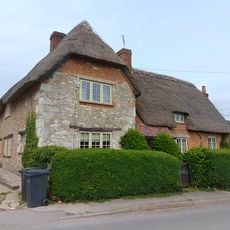
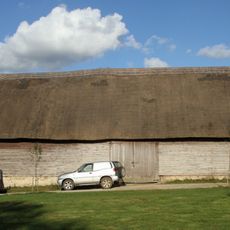
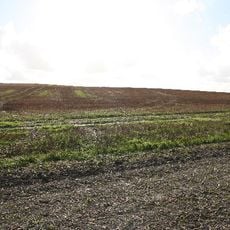
The figure is best seen from the air or from directly across the Vale of White Horse, notably around the villages of Great Coxwell, Longcot and Fernham. From the hill itself the outline is hard to read; the site lies 2.5 km south of Uffington and is managed by the National Trust.
The head is formed by two separate beak-like shapes with a gap between them, and the four legs are angular and outstretched. The figure was covered with turf and hedge trimmings during the Second World War so Luftwaffe pilots could not use it for navigation, then uncovered by archaeologist William Francis Grimes.
The community of curious travelers
AroundUs brings together thousands of curated places, local tips, and hidden gems, enriched daily by 93,369 contributors worldwide.