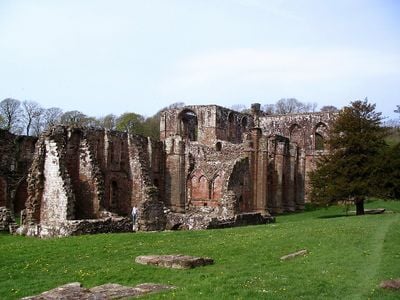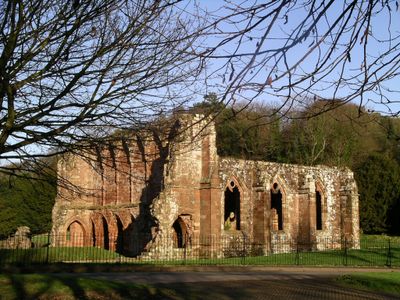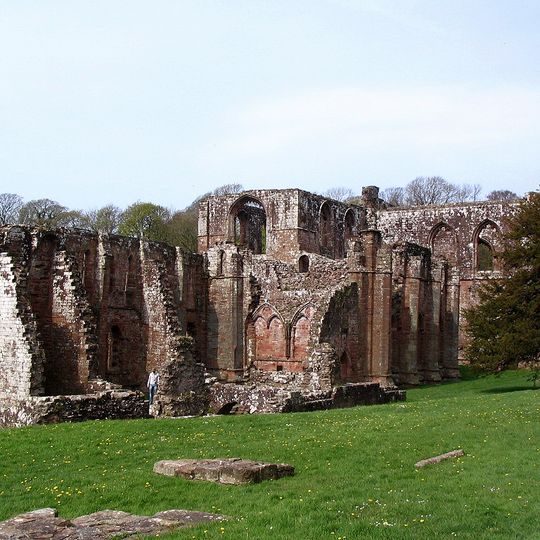
Furness Abbey, Cistercian monastery ruins in Barrow-in-Furness, England.
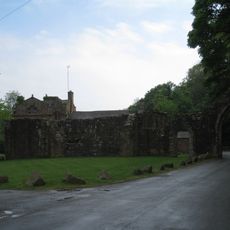
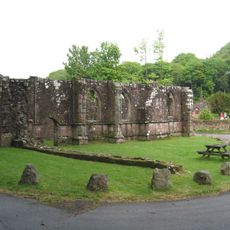
Furness Abbey is a monastery ruin in Barrow-in-Furness in northwest England, whose sandstone walls rise across several hectares in the Vale of Nightshade. The tallest surviving walls reach about 40 meters (131 feet) high and show Gothic arches, pillar fragments, and the outlines of the former choir.
Stephen of Blois founded the monastery in 1123 for the Order of Savigny, before it passed to the Cistercian order in 1147. The monks rebuilt and expanded their site over the following centuries until King Henry VIII dissolved it in 1537.
The red sandstone walls follow the pattern typical of Cistercian monasteries: clean lines without worldly decoration shape the entire structure. Visitors today still see the powerful pillars of the choir and the cloister, once used as a quiet space for prayer and work.
English Heritage manages the site and runs a visitor center displaying medieval stone carvings. The ruins are open during daylight hours, with uneven ground in places that calls for sturdy footwear.
Scottish forces under Robert the Bruce raided the region in 1322, yet the abbey escaped major destruction because its leadership made arrangements with the attackers. This episode shows the political flexibility of the monks in uncertain times.
The community of curious travelers
AroundUs brings together thousands of curated places, local tips, and hidden gems, enriched daily by 90,827 contributors worldwide.