See the monuments around you in AROpen chests in the app
Around Us is built for your phone — point your camera at the streets and discover the monuments and places around you in augmented reality.Around Us is built for your phone — chests unlock when you walk, explore and capture nearby places.
Cumbria holds centuries of history within its borders. Medieval churches stand in villages like Bassenthwaite and Beetham, their stones speaking of centuries past. Ancient stone circles such as Swinside Stone Circle and Long Meg and Her Daughters dot the countryside, reaching back to prehistoric times. Roman remains appear throughout the region, from the bath house at Ravenglass to the fort at Birdoswald, reminding visitors of the empire that once occupied these lands.
The region is also known for its country houses and castles that reflect the wealth and taste of past generations. Sizergh Castle near Kendal and Hutton in the Forest near Penrith display fine architecture alongside carefully tended gardens. Historic mills like Eskdale Mill and Gleaston Water Mill reveal how people once worked the land and water. Museums such as Hawkshead Grammar School and Tullie House preserve local knowledge, from schooling to mining to dock life.
Nature forms an equal part of Cumbria's appeal. Waterfalls like Aira Force tumble down hillsides, while lakes such as Ennerdale Water lie calm and serene. Limestone crags and rolling valleys create a landscape that shifts with the seasons. For those interested in literature, the region opens doors to William Wordsworth's world through his birthplace in Cockermouth and his home at Dove Cottage in Grasmere.
Cumbria holds centuries of history within its borders. Medieval churches stand in villages like Bassenthwaite and Beetham, their stones speaking of centuries past. Ancient stone circles such as Swinside Stone Circle and Long Meg and Her Daughters dot the countryside, reaching back to prehistoric times. Roman remains appear throughout the region, from the bath house at Ravenglass to the fort at Birdoswald, reminding visitors of the empire that once occupied these lands.
The region is also known for its country houses and castles that reflect the wealth and taste of past generations. Sizergh Castle near Kendal and Hutton in the Forest near Penrith display fine architecture alongside carefully tended gardens. Historic mills like Eskdale Mill and Gleaston Water Mill reveal how people once worked the land and water. Museums such as Hawkshead Grammar School and Tullie House preserve local knowledge, from schooling to mining to dock life.
Nature forms an equal part of Cumbria's appeal. Waterfalls like Aira Force tumble down hillsides, while lakes such as Ennerdale Water lie calm and serene. Limestone crags and rolling valleys create a landscape that shifts with the seasons. For those interested in literature, the region opens doors to William Wordsworth's world through his birthplace in Cockermouth and his home at Dove Cottage in Grasmere.
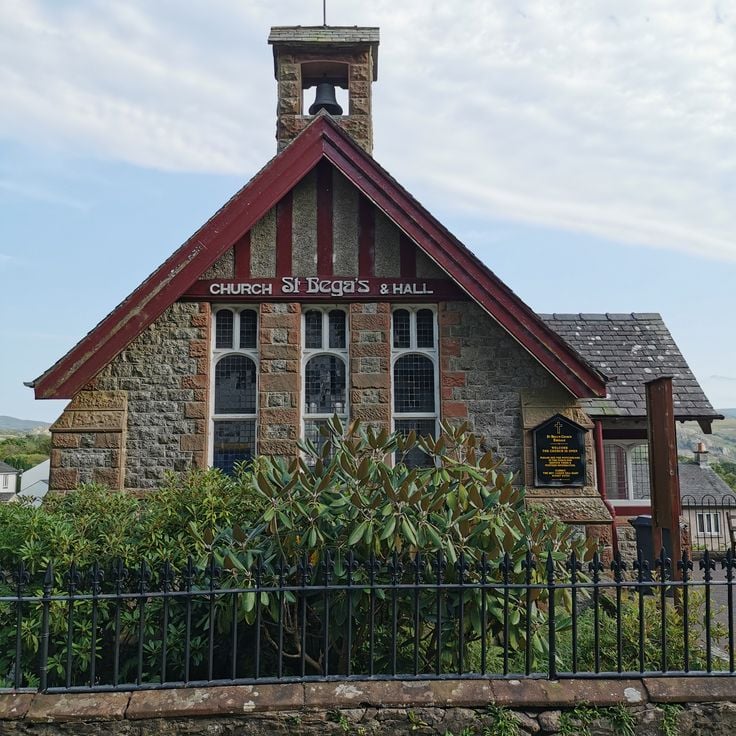
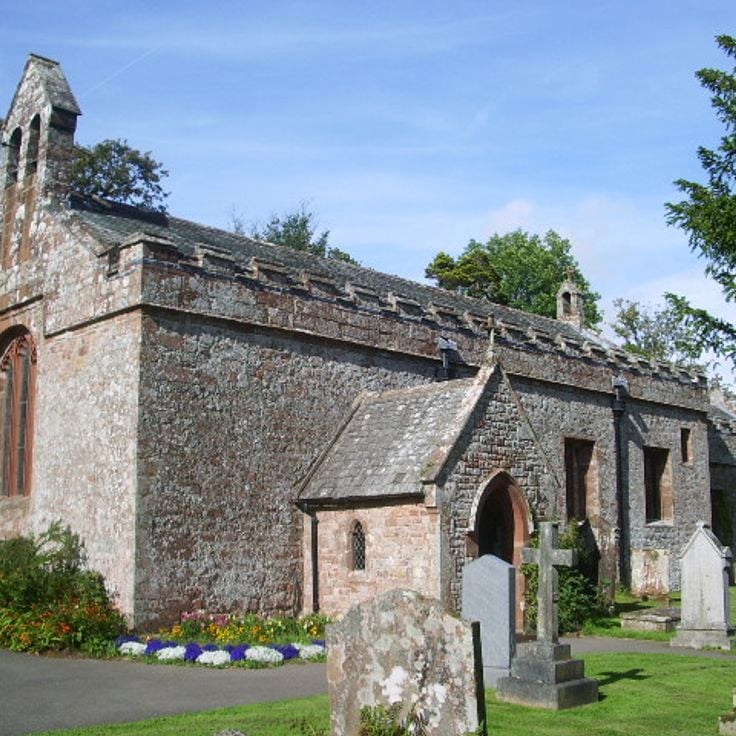
St. Bega's Church is a medieval church set in rural surroundings by Bassenthwaite Lake and represents the religious heritage found throughout Cumbria. The building holds historic stone windows and a timber beam ceiling that show the craftsmanship of earlier times.
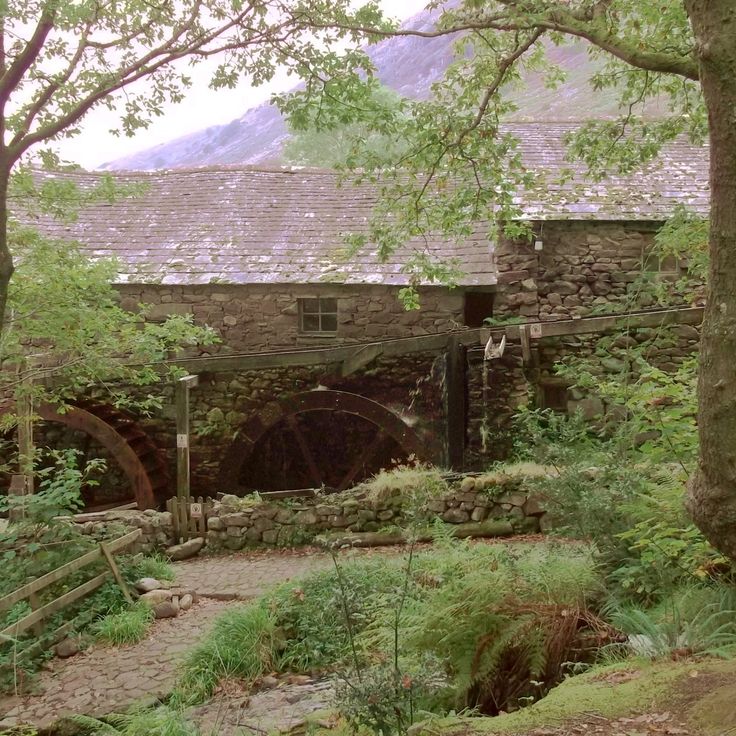
Eskdale Mill is a working 16th-century watermill located in Holmrook. The mill features two water wheels and original grinding machinery used for flour production. It represents one of Cumbria's many historic sites where visitors can see how people worked and lived in earlier times, alongside medieval churches, stone circles, and Roman ruins throughout the region.
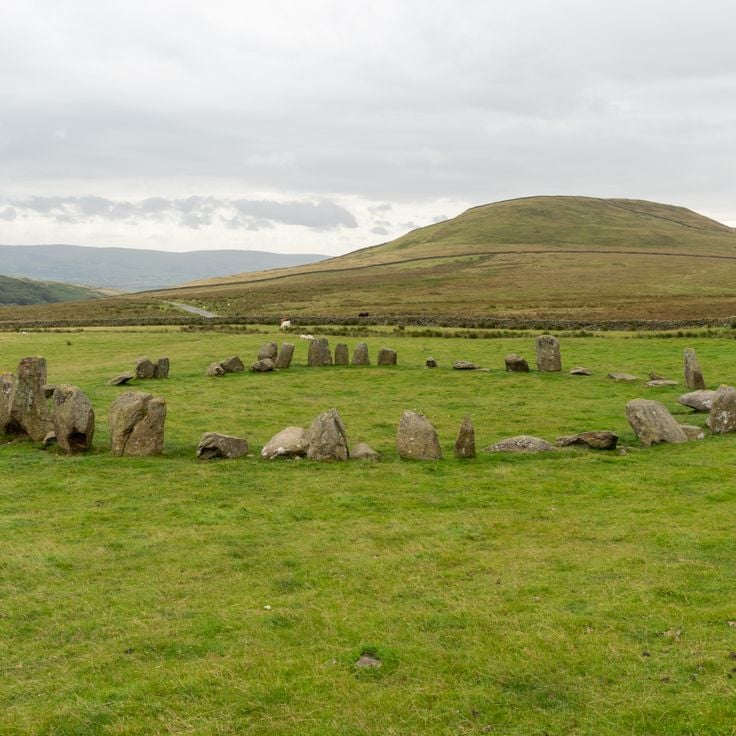
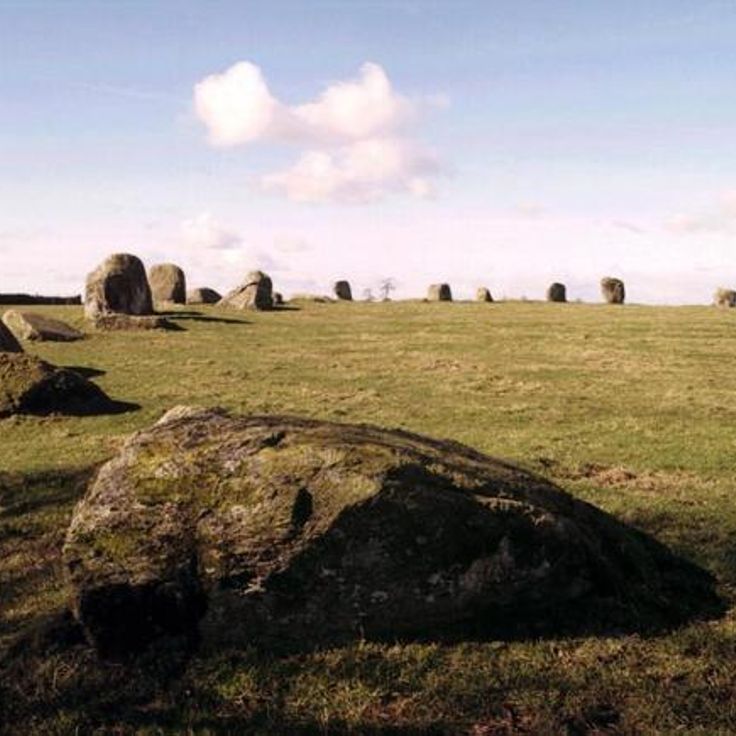
The Swinside Stone Circle is a Neolithic stone circle made of 55 granite blocks positioned on a hill overlooking the Duddon Valley. As one of the prehistoric stone circles found across Cumbria, this site reveals the early history of the region alongside other historic landmarks like medieval churches and Roman ruins that shape the area's character.
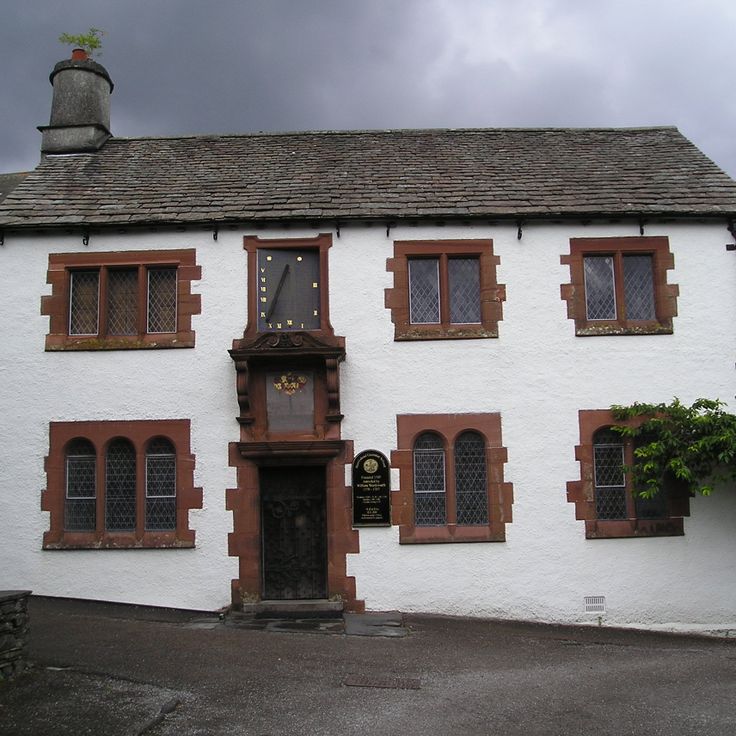
This museum sits in a school building from 1585 that once educated generations of students. The original classrooms remain, filled with historical documents that tell the story of education over the centuries. On the walls, you can still see graffiti carved by students in the 18th century, their names and marks left behind as traces of daily school life. The museum shows how learning and teaching developed in this region of Cumbria.
Long Meg and Her Daughters is a stone circle in Cumbria made up of approximately 69 stones arranged in a circle roughly 100 meters across. Built during the Neolithic period, this site represents the prehistoric monuments that dot the region, alongside the medieval churches and Roman ruins that define Cumbria's historical significance.
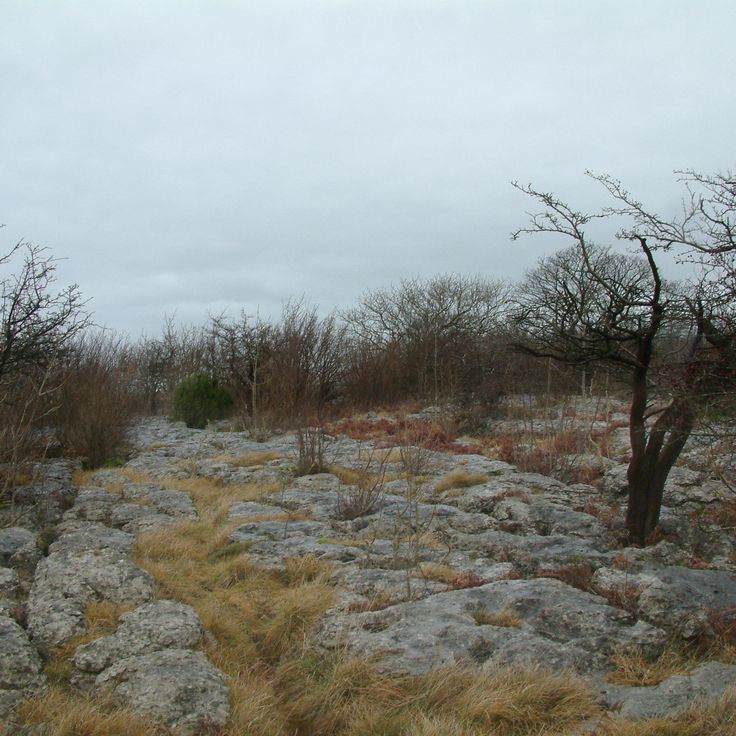
Hutton Roof Crags is a nature reserve in Cumbria with limestone formations that house rare plant species and geological structures. The site fits within Cumbria's diverse range of medieval churches, watermills, prehistoric stone circles and Roman ruins. Visitors can explore the distinctive limestone formations, waterfalls and natural landscapes of this historic region.
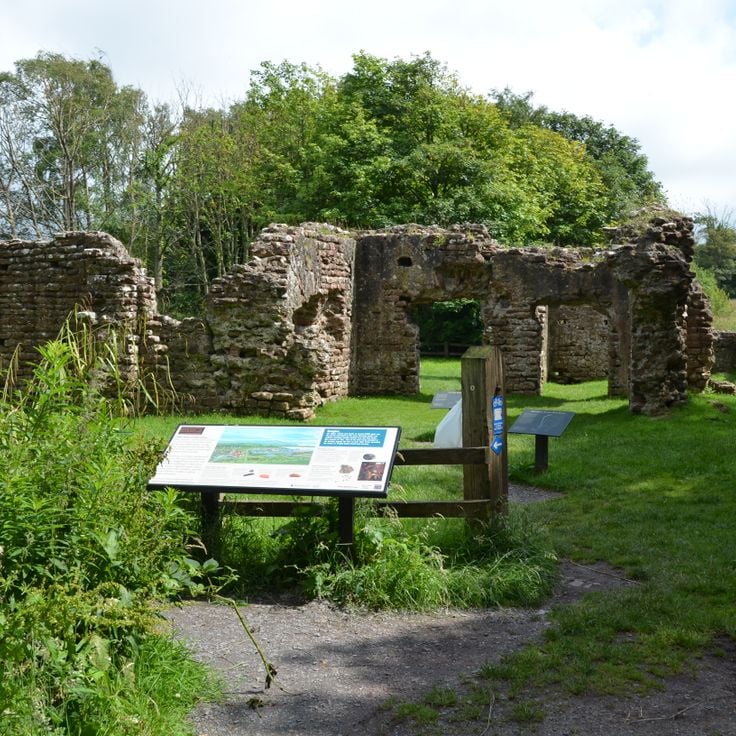
The Ravenglass Roman Bath House is a second-century Roman structure that stands among Cumbria's significant Roman remains. This building served the soldiers stationed at a larger Roman fort, and its preserved walls reach heights of up to 4 meters (13 feet). Walking through the ruins, you can see how the Romans built to last, with solid stone construction that has survived nearly 2,000 years.
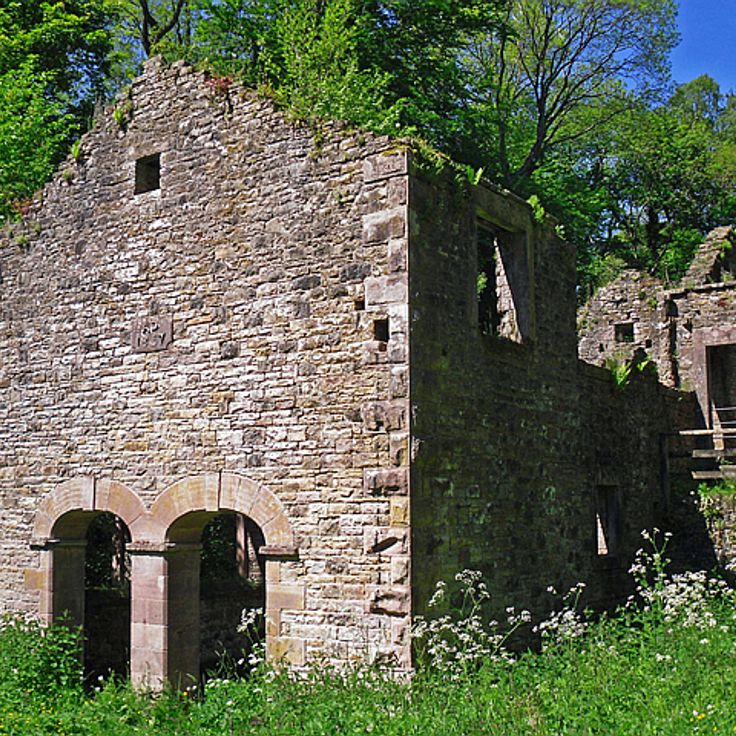
The Howk Bobbin Mill is a nineteenth-century spinning mill situated beside a 12-meter waterfall within a forested area. This site reflects the industrial heritage of Cumbria and complements the region's other historic locations, where watermills and medieval structures remain visible today.
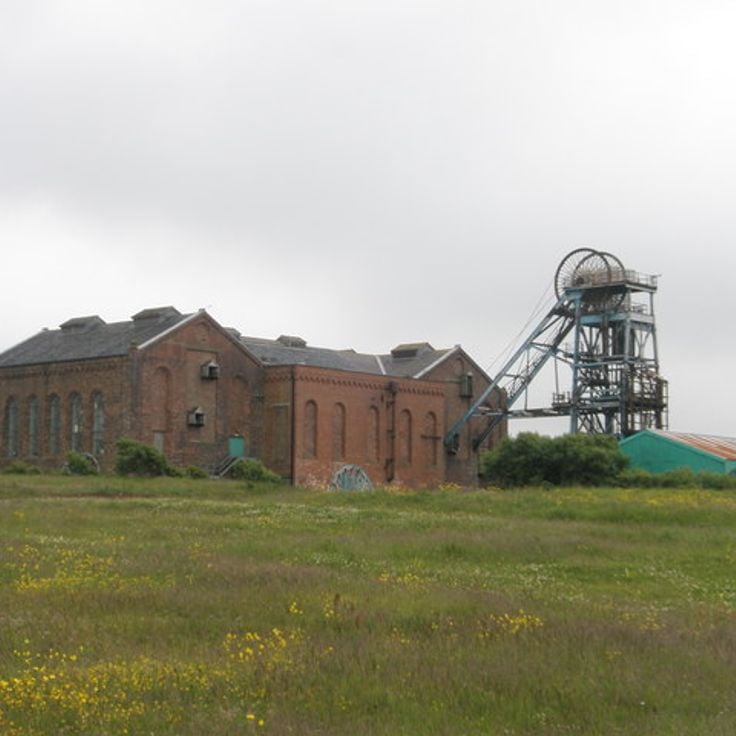
The Haig Colliery Mining Museum documents coal extraction from 1914 to 1986 with original mining equipment and photographs. The museum tells the story of industrial work in this region and adds to the many historical aspects of Cumbria, where medieval churches, watermills, and Roman ruins sit alongside the remains of industrial heritage.
Kirklinton Hall & Gardens is a 17th century estate that forms part of Cumbria's collection of historic sites and natural spaces. The property includes a manor house with gardens, stone walls and a 5 hectare park planted with mature trees. It reveals how people lived and managed their land during this period of English history.
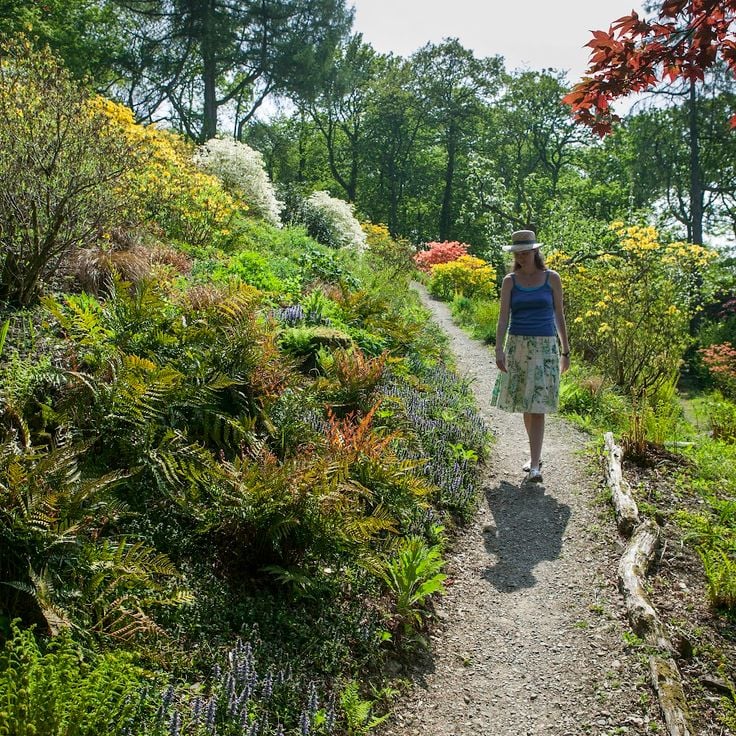
Brantwood is a historical house in Coniston, part of Cumbria's collection of historic sites and natural spaces. The house contains original 19th century furnishings and artworks that show how people lived and worked during this period. The grounds span 100 hectares with walking paths that lead through varied landscapes.
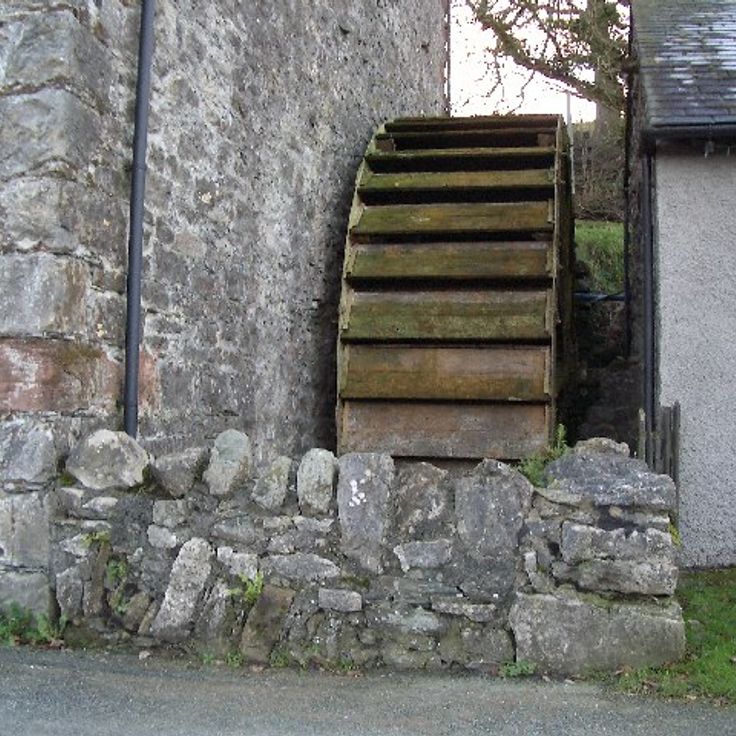
This mill from 1774 belongs to the historic sites and nature spots that define Cumbria, a region where medieval churches, watermills, prehistoric stone circles and Roman ruins shape the landscape. Gleaston Water Mill displays working grinding mechanisms and a water channel with its original mill wheel, telling the story of how water power once drove the region's industrial activity.
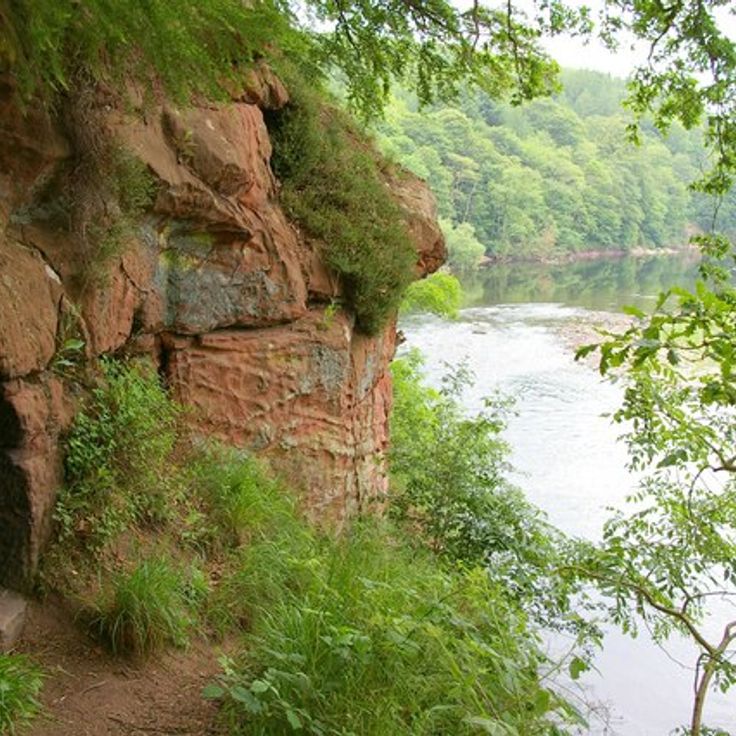
Lacy's Caves is a series of five interconnected chambers carved into red sandstone during the 18th century, located along the banks of the Eden. This site represents the human craftsmanship of an earlier era and fits within Cumbria's collection of historic places that include medieval churches, watermills, prehistoric stone circles and Roman ruins.
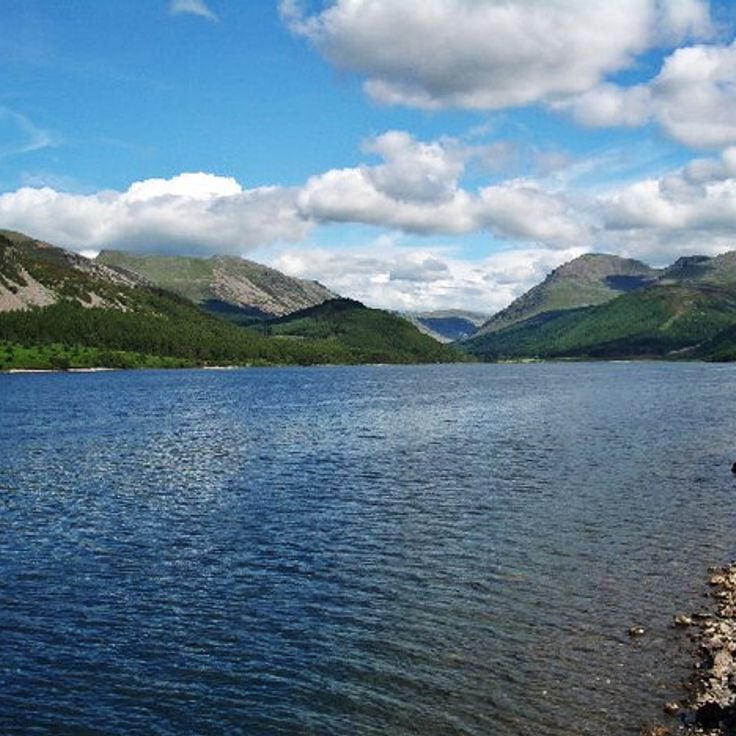
Ennerdale Water is a mountain lake in the Lake District region of Cumbria. The lake stretches for several kilometers and is surrounded by coniferous forests and mountains. There are no public roads nearby, which keeps the place remote and quiet. Visitors reach the lake by walking trails that pass through the landscape. The lake fits into Cumbria's varied nature with lakes, waterfalls and mountain formations.
Rickerby Park in Carlisle offers riverside walks along the Eden and shaded spaces beneath mature trees. The park holds memorials that honor those lost in war, creating a reflective space within its grounds. As part of Cumbria's collection of historic sites and natural areas, this park combines green space with the region's heritage, giving visitors a place to walk and remember.
St Michael's Church is a Norman church from the 12th century that fits perfectly into Cumbria's rich collection of historic sites. This building displays medieval stonework and an old bell tower containing six bells. The church tells of a time when such structures were the center of community life.
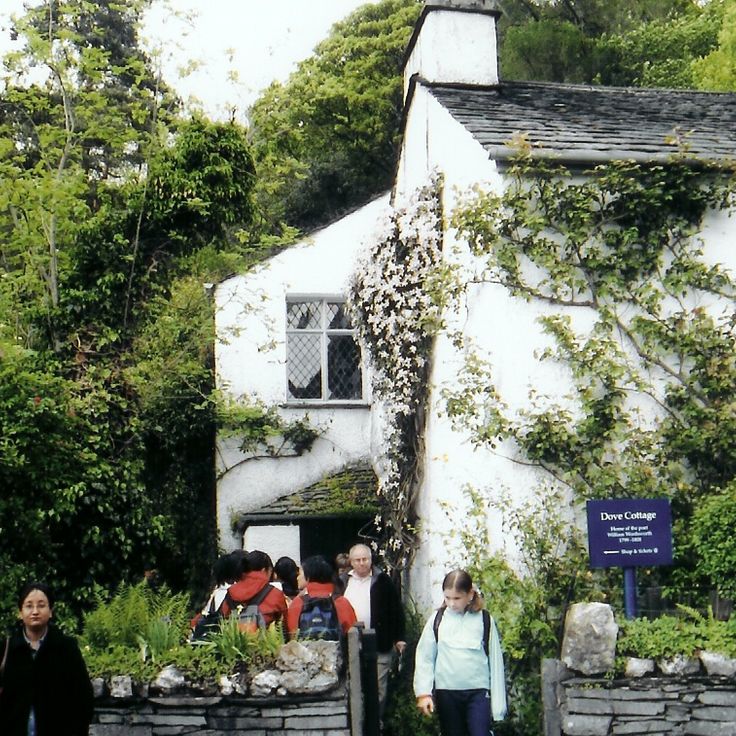
Dove Cottage was the home of poet William Wordsworth from 1799 to 1808. This cottage is part of Cumbria's historic sites that draw literature enthusiasts to the region. The rooms contain original furniture and offer a view of how the poet lived during his most productive years.
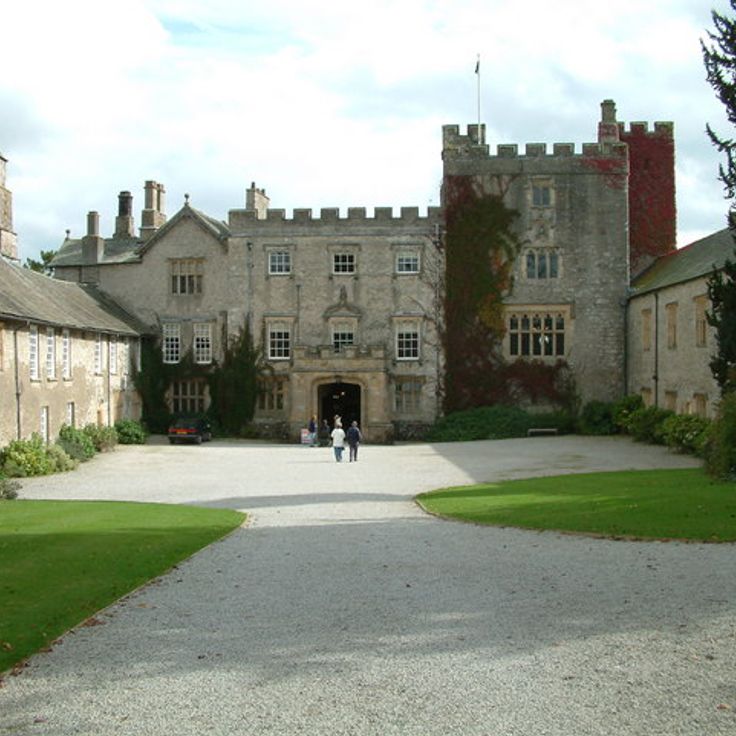
Sizergh Castle and Garden is a medieval fortress near Kendal with impressive wood paneling from the 16th century. The gardens feature ponds, fountains and a limestone rock garden. This estate is part of Cumbria's rich history of castles and historic buildings that transport visitors into the region's past.
Tullie House Museum & Art Gallery is a 17th-century building in Carlisle that displays collections about Roman times, the Victorian era and the natural history of Cumbria. It complements the historic sites throughout the region, where visitors can find medieval churches, watermills, prehistoric stone circles and Roman ruins.
Isel Hall is a manor house built in the 14th century with a defensive peel tower, located in Cockermouth. The building displays family portraits and furniture spanning different periods of history. As one of Cumbria's historic sites, Isel Hall reflects the medieval architecture and domestic life that shaped this northern region.
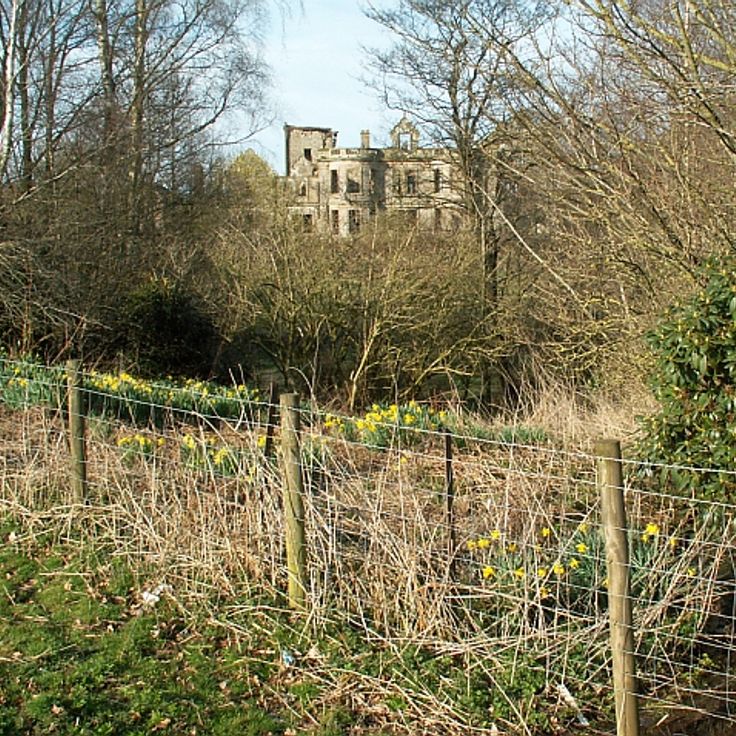
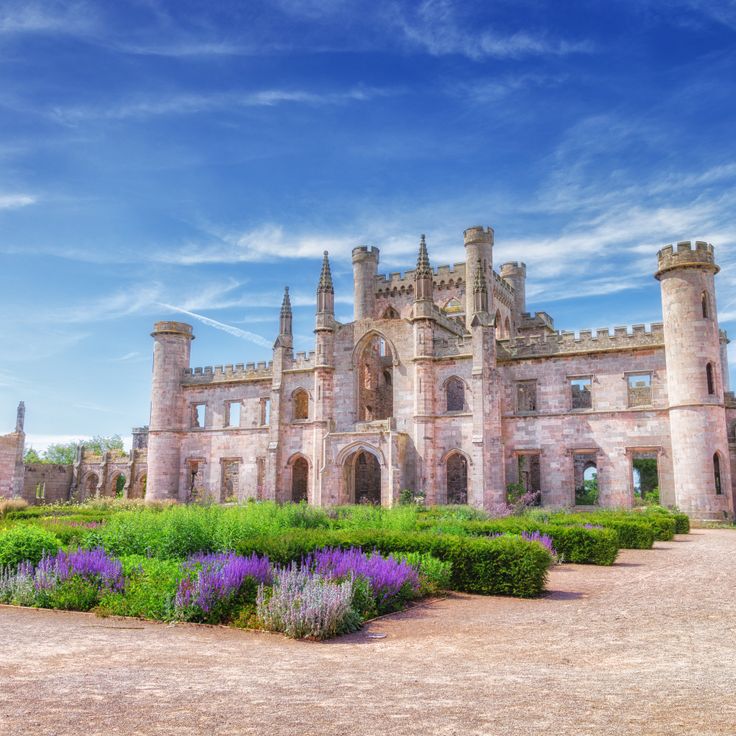
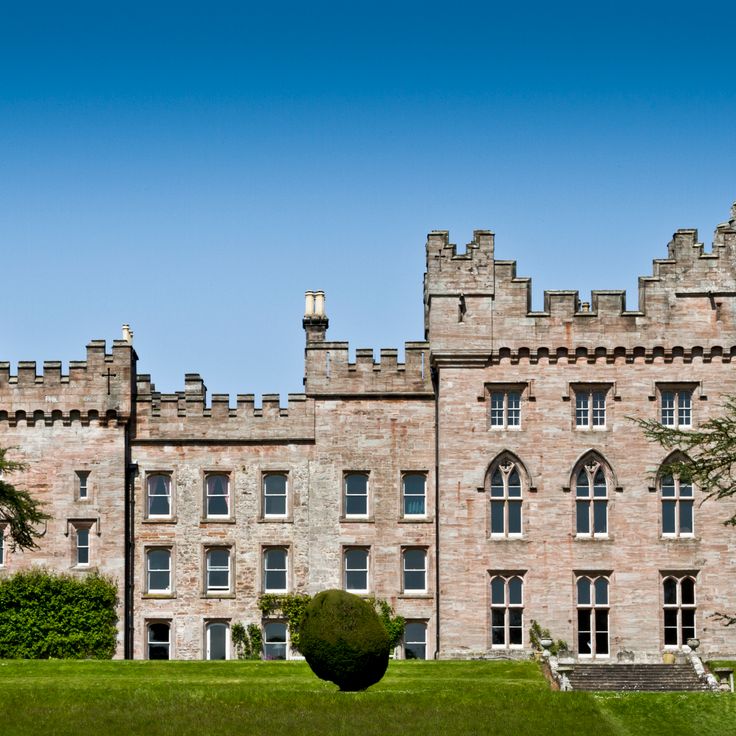
Lowther Castle & Gardens stands within Cumbria's landscape of medieval churches, watermills, prehistoric stone circles and Roman ruins. This 19th century fortress displays stone remains with vaulted windows and towers set across expansive gardens. The site represents the region's collection of historic mansions and natural garden spaces that attract visitors seeking both history and nature.
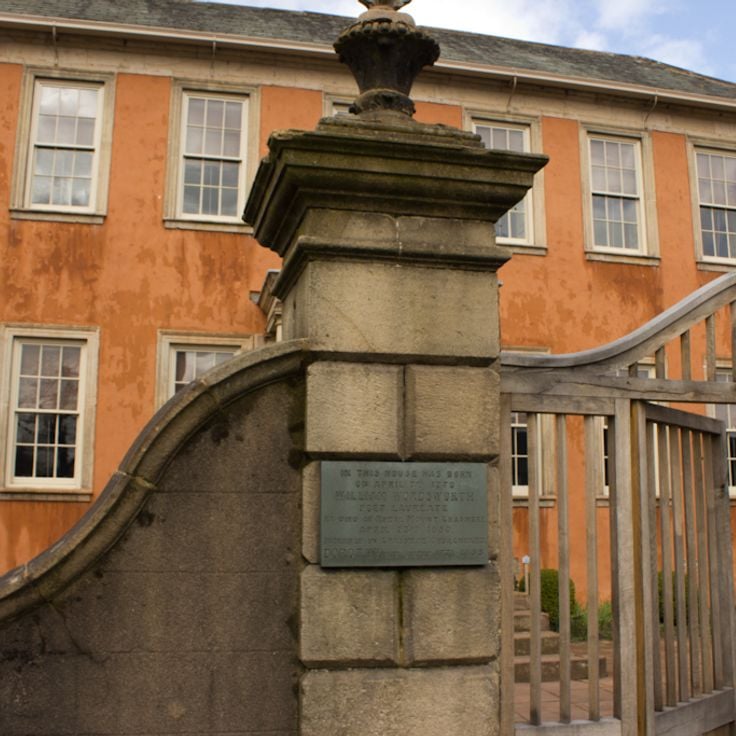
Wordsworth House and Garden in Cockermouth was the family home of English poet William Wordsworth from 1770. The house displays original furniture and paintings from that era. The garden grows herbs and fruit trees that reflect the family's daily life. This place matters to those interested in English literary history and exploring the medieval churches, watermills and Roman ruins found throughout Cumbria.
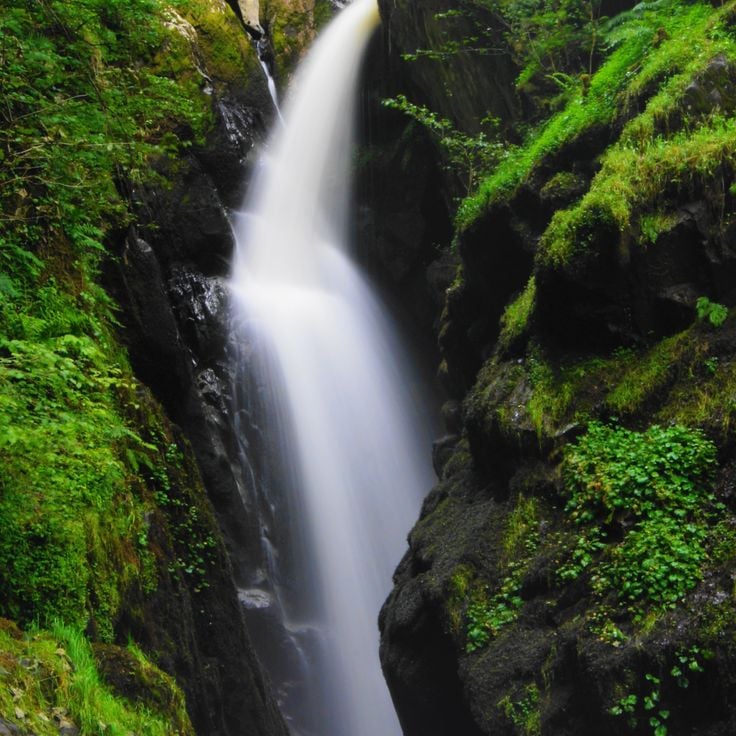
Aira Force Waterfall is part of Cumbria's rich collection of historic sites and natural attractions. The waterfall drops about 70 feet and is surrounded by stone steps and walking paths that lead through a Victorian arboretum filled with ancient trees. This location appeals to visitors who want to experience the region's natural beauty.
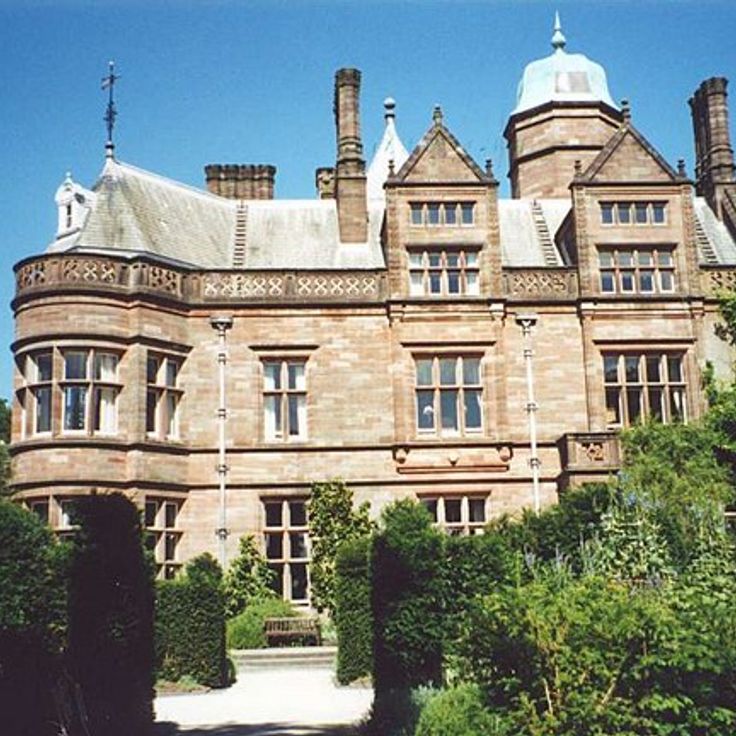
Holker Hall & Gardens is an 18th century manor house set within Cumbria's collection of historic sites and natural spaces. The house contains a library and historic furniture, offering a window into life during its era. The surrounding park spans 25 acres and is home to native deer species. Visitors can walk through both the interior spaces and the grounds, experiencing how this property fits into the region's broader landscape of castles, churches and natural attractions.
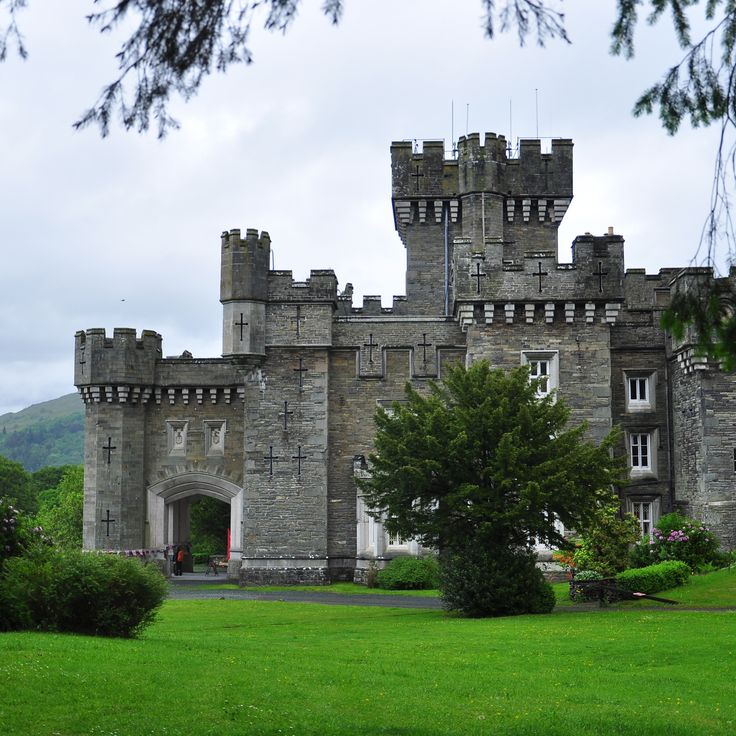
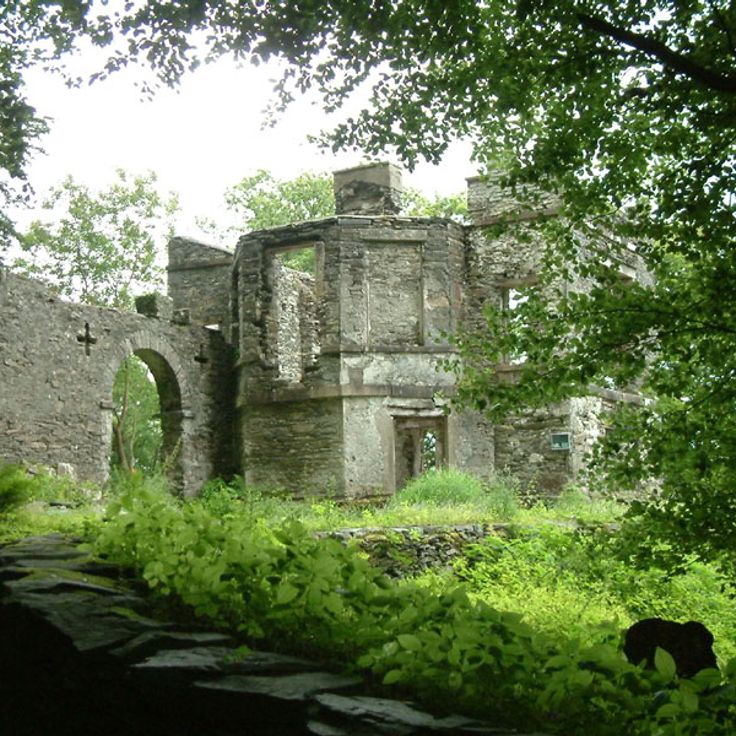
This 19th century castle stands among trees by Lake Windermere in Cumbria, a region marked by medieval churches, watermills, prehistoric stone circles and Roman ruins. The fortress features battlements and towers that reflect the Victorian era's approach to romantic architecture.
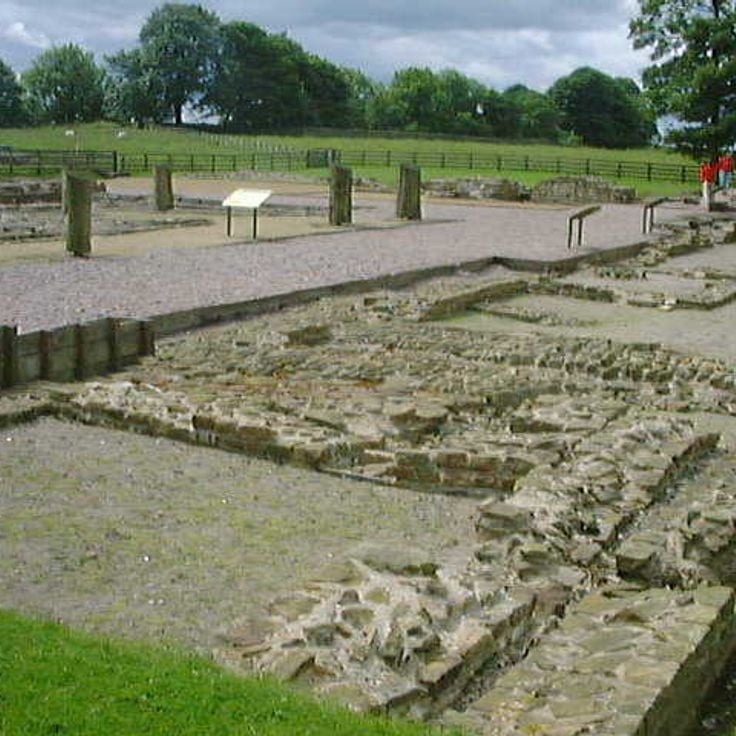
Birdoswald Roman Fort is a Roman fortification where you can see the foundations of barracks and granaries. A museum on site tells the story of Roman military life in this region. This fort fits into Cumbria's collection of historic sites, which also includes prehistoric stone circles, medieval churches and other ancient remains.
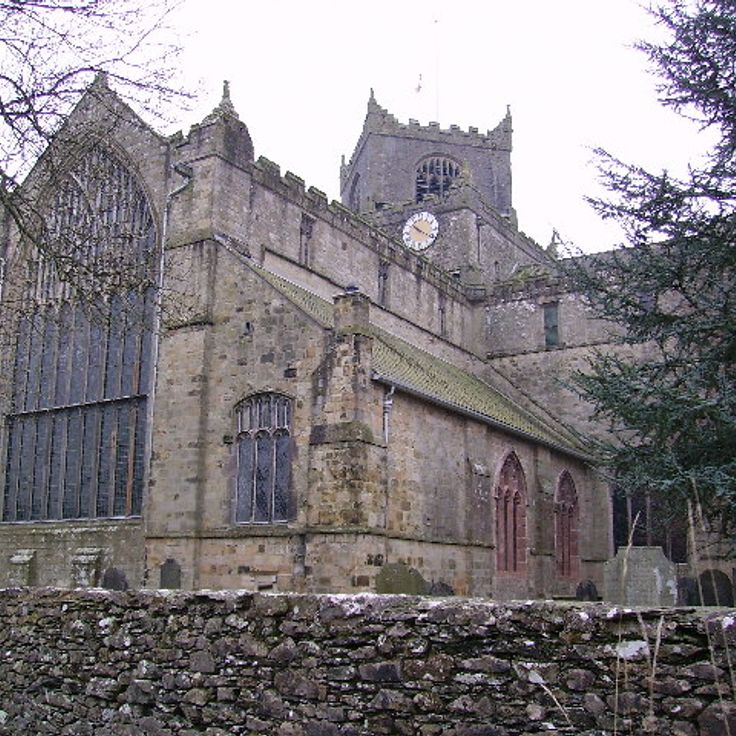
Cartmel Priory is a Romanesque monastery built in the 12th century and part of Cumbria's collection of historic sites. The building features notable architectural elements including stone arches, medieval stained glass windows, and a 24-meter bell tower. It stands as a testament to the religious and cultural heritage of the region.
Cockermouth Castle is a 13th century fortress that stands at the confluence of the Rivers Cocker and Derwent. The castle fits within Cumbria's collection of historic sites, which spans medieval architecture, Roman ruins, and fortifications that shaped the region. Built from sandstone with a rectangular layout, this stronghold reflects the military structures that once defended the area during the Middle Ages.
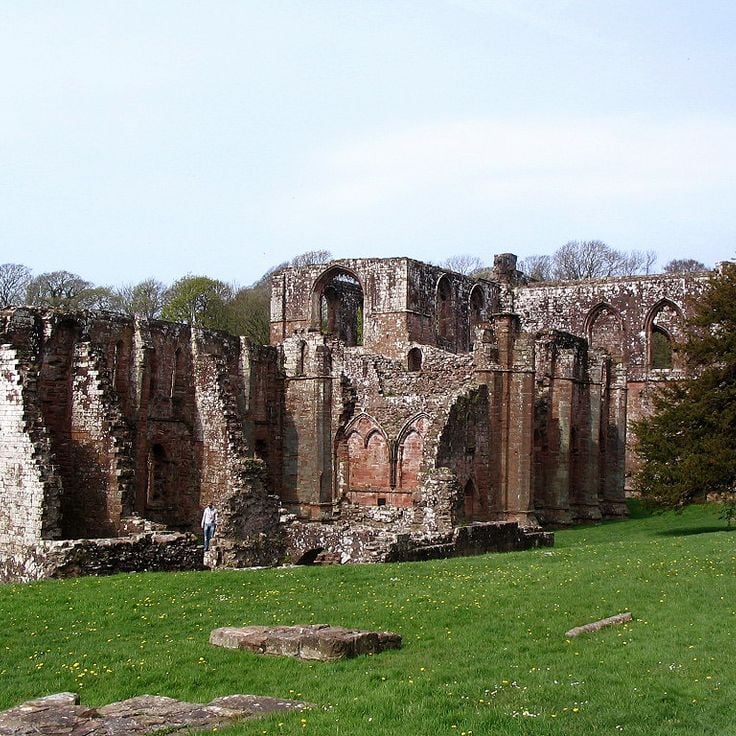
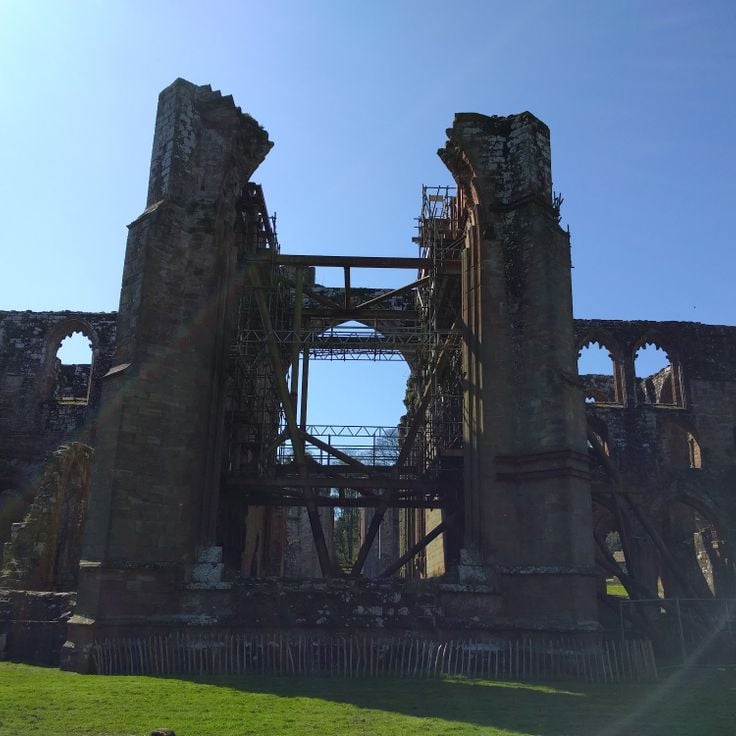
Furness Abbey is a 12th-century Cistercian monastery built from red sandstone, standing as a notable example of medieval religious architecture in Cumbria. The ruins reveal the layout of monastic life, with visible remains of cloisters and the church nave showing the craftsmanship and building techniques of the period. This site helps visitors understand how monks lived and worshipped in the Middle Ages.
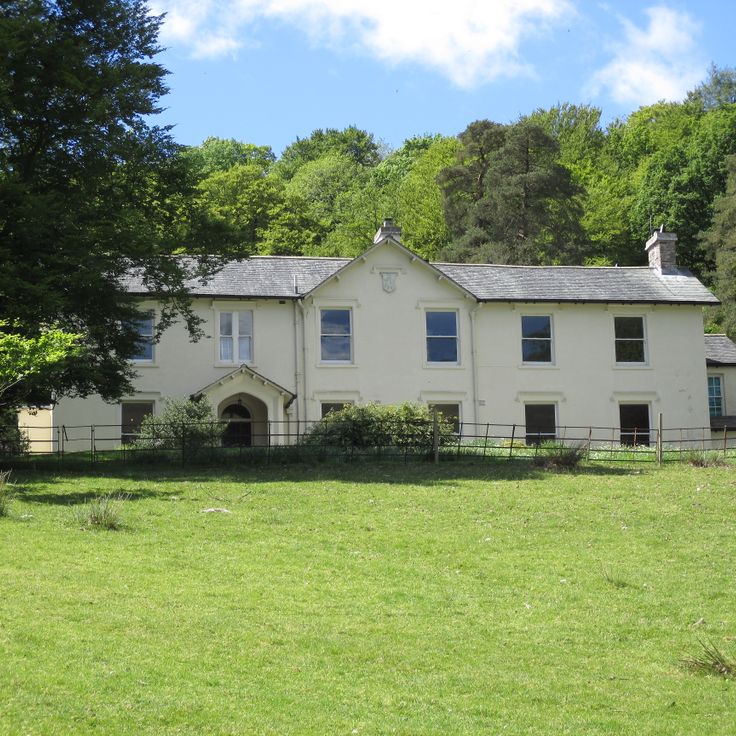
Allan Bank is an 1805 country house located in Ambleside and part of Cumbria's historic sites and nature spots. The house sits by Grasmere Lake with views of surrounding mountains and gardens. It connects the region's architectural history with its natural beauty.
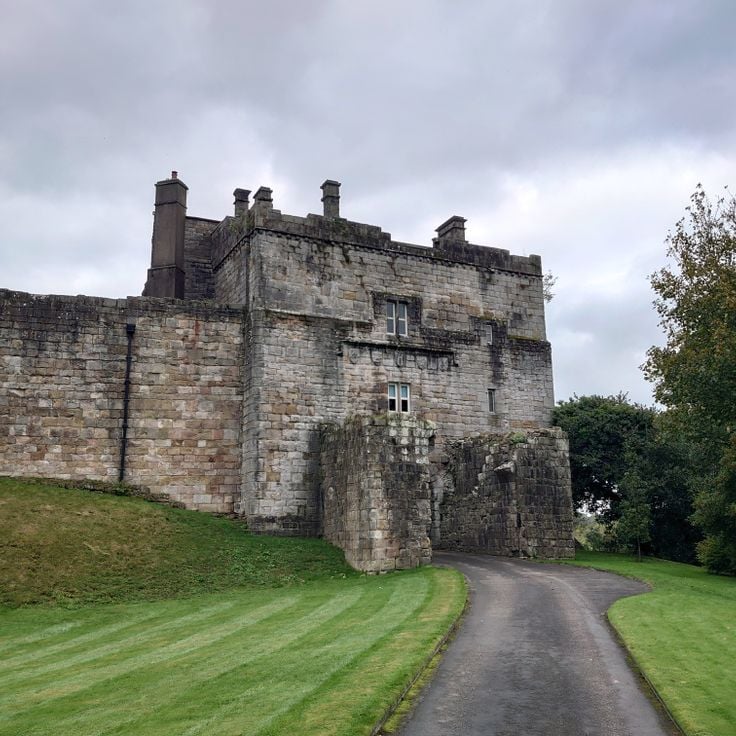
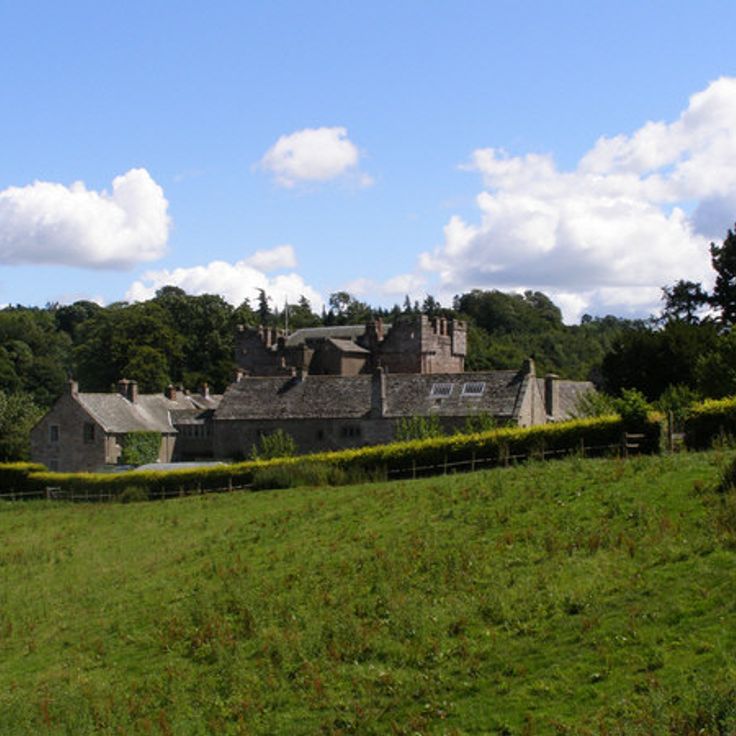
Hutton in the Forest is an estate near Penrith that forms part of Cumbria's collection of historic sites and natural spaces. The property displays a medieval peel tower, formal gardens and a woodland trail through native trees. It sits alongside other regional attractions including medieval churches, watermills and prehistoric stone circles.
Askham Hall is a 14th century manor house that represents the historic sites found throughout Cumbria. The hall contains a kitchen garden, terraces and a medieval hall with its original fireplace still intact. This house gives visitors a chance to see how people lived during the medieval period in this region known for its stone circles, castles and historic buildings.
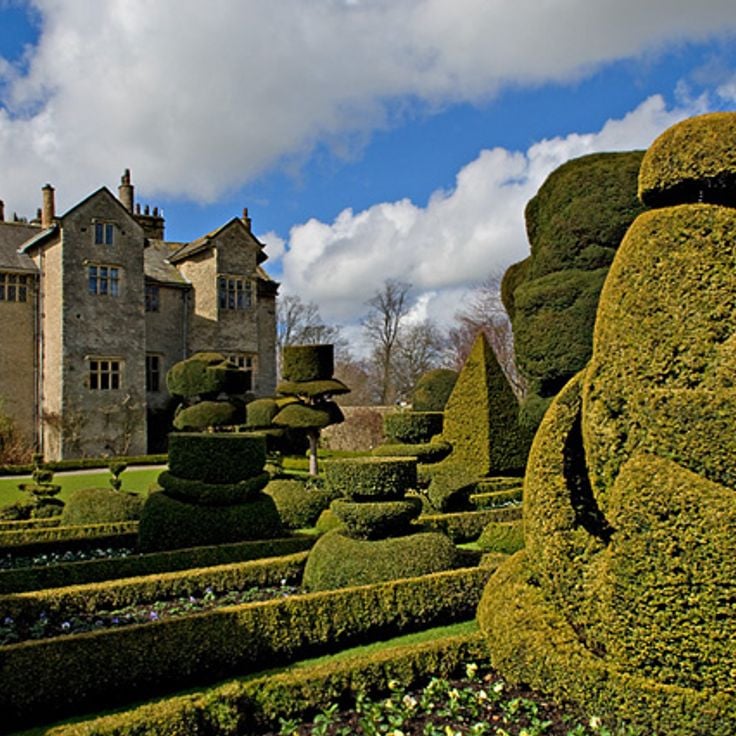
Levens Hall sits within a region of medieval churches, watermills, and prehistoric stone circles. The manor house displays original Tudor period furniture, while the geometric garden with shaped hedges creates an ordered landscape. This estate brings together domestic history and garden design in one place.
The Claife Viewing Station is a stone observation point built in 1790 on a hill above the western shore of Lake Windermere. This site fits within Cumbria's collection of historic places and nature spots, as it offers views across the landscape and demonstrates how people have long appreciated the region's natural beauty through constructed viewpoints.
The Dock Museum tells the story of Barrow-in-Furness and its shipbuilding industry from the 19th century onward. The museum displays ship models, tools and documents that show how the town grew through industrial work. It fits within Cumbria's broader history of craftsmanship and industrial heritage.
Swarthmoor Hall is a manor house with gardens in Cumbria that played an important role in the early Quaker movement. Starting in 1652, it served as a meeting place for followers of this religious community under George Fox. The house shows how religious ideas spread during this period and how private spaces became places of change.
St. Bega's Church is a medieval church set in rural surroundings by Bassenthwaite Lake and represents the religious heritage found throughout Cumbria. The building holds historic stone windows and a timber beam ceiling that show the craftsmanship of earlier times.
Eskdale Mill is a working 16th-century watermill located in Holmrook. The mill features two water wheels and original grinding machinery used for flour production. It represents one of Cumbria's many historic sites where visitors can see how people worked and lived in earlier times, alongside medieval churches, stone circles, and Roman ruins throughout the region.
The Swinside Stone Circle is a Neolithic stone circle made of 55 granite blocks positioned on a hill overlooking the Duddon Valley. As one of the prehistoric stone circles found across Cumbria, this site reveals the early history of the region alongside other historic landmarks like medieval churches and Roman ruins that shape the area's character.
This museum sits in a school building from 1585 that once educated generations of students. The original classrooms remain, filled with historical documents that tell the story of education over the centuries. On the walls, you can still see graffiti carved by students in the 18th century, their names and marks left behind as traces of daily school life. The museum shows how learning and teaching developed in this region of Cumbria.
Long Meg and Her Daughters is a stone circle in Cumbria made up of approximately 69 stones arranged in a circle roughly 100 meters across. Built during the Neolithic period, this site represents the prehistoric monuments that dot the region, alongside the medieval churches and Roman ruins that define Cumbria's historical significance.
Hutton Roof Crags is a nature reserve in Cumbria with limestone formations that house rare plant species and geological structures. The site fits within Cumbria's diverse range of medieval churches, watermills, prehistoric stone circles and Roman ruins. Visitors can explore the distinctive limestone formations, waterfalls and natural landscapes of this historic region.
The Ravenglass Roman Bath House is a second-century Roman structure that stands among Cumbria's significant Roman remains. This building served the soldiers stationed at a larger Roman fort, and its preserved walls reach heights of up to 4 meters (13 feet). Walking through the ruins, you can see how the Romans built to last, with solid stone construction that has survived nearly 2,000 years.
The Howk Bobbin Mill is a nineteenth-century spinning mill situated beside a 12-meter waterfall within a forested area. This site reflects the industrial heritage of Cumbria and complements the region's other historic locations, where watermills and medieval structures remain visible today.
The Haig Colliery Mining Museum documents coal extraction from 1914 to 1986 with original mining equipment and photographs. The museum tells the story of industrial work in this region and adds to the many historical aspects of Cumbria, where medieval churches, watermills, and Roman ruins sit alongside the remains of industrial heritage.
Kirklinton Hall & Gardens is a 17th century estate that forms part of Cumbria's collection of historic sites and natural spaces. The property includes a manor house with gardens, stone walls and a 5 hectare park planted with mature trees. It reveals how people lived and managed their land during this period of English history.
Brantwood is a historical house in Coniston, part of Cumbria's collection of historic sites and natural spaces. The house contains original 19th century furnishings and artworks that show how people lived and worked during this period. The grounds span 100 hectares with walking paths that lead through varied landscapes.
This mill from 1774 belongs to the historic sites and nature spots that define Cumbria, a region where medieval churches, watermills, prehistoric stone circles and Roman ruins shape the landscape. Gleaston Water Mill displays working grinding mechanisms and a water channel with its original mill wheel, telling the story of how water power once drove the region's industrial activity.
Lacy's Caves is a series of five interconnected chambers carved into red sandstone during the 18th century, located along the banks of the Eden. This site represents the human craftsmanship of an earlier era and fits within Cumbria's collection of historic places that include medieval churches, watermills, prehistoric stone circles and Roman ruins.
Ennerdale Water is a mountain lake in the Lake District region of Cumbria. The lake stretches for several kilometers and is surrounded by coniferous forests and mountains. There are no public roads nearby, which keeps the place remote and quiet. Visitors reach the lake by walking trails that pass through the landscape. The lake fits into Cumbria's varied nature with lakes, waterfalls and mountain formations.
Rickerby Park in Carlisle offers riverside walks along the Eden and shaded spaces beneath mature trees. The park holds memorials that honor those lost in war, creating a reflective space within its grounds. As part of Cumbria's collection of historic sites and natural areas, this park combines green space with the region's heritage, giving visitors a place to walk and remember.
St Michael's Church is a Norman church from the 12th century that fits perfectly into Cumbria's rich collection of historic sites. This building displays medieval stonework and an old bell tower containing six bells. The church tells of a time when such structures were the center of community life.
Dove Cottage was the home of poet William Wordsworth from 1799 to 1808. This cottage is part of Cumbria's historic sites that draw literature enthusiasts to the region. The rooms contain original furniture and offer a view of how the poet lived during his most productive years.
Sizergh Castle and Garden is a medieval fortress near Kendal with impressive wood paneling from the 16th century. The gardens feature ponds, fountains and a limestone rock garden. This estate is part of Cumbria's rich history of castles and historic buildings that transport visitors into the region's past.
Tullie House Museum & Art Gallery is a 17th-century building in Carlisle that displays collections about Roman times, the Victorian era and the natural history of Cumbria. It complements the historic sites throughout the region, where visitors can find medieval churches, watermills, prehistoric stone circles and Roman ruins.
Isel Hall is a manor house built in the 14th century with a defensive peel tower, located in Cockermouth. The building displays family portraits and furniture spanning different periods of history. As one of Cumbria's historic sites, Isel Hall reflects the medieval architecture and domestic life that shaped this northern region.
Lowther Castle & Gardens stands within Cumbria's landscape of medieval churches, watermills, prehistoric stone circles and Roman ruins. This 19th century fortress displays stone remains with vaulted windows and towers set across expansive gardens. The site represents the region's collection of historic mansions and natural garden spaces that attract visitors seeking both history and nature.
Wordsworth House and Garden in Cockermouth was the family home of English poet William Wordsworth from 1770. The house displays original furniture and paintings from that era. The garden grows herbs and fruit trees that reflect the family's daily life. This place matters to those interested in English literary history and exploring the medieval churches, watermills and Roman ruins found throughout Cumbria.
Aira Force Waterfall is part of Cumbria's rich collection of historic sites and natural attractions. The waterfall drops about 70 feet and is surrounded by stone steps and walking paths that lead through a Victorian arboretum filled with ancient trees. This location appeals to visitors who want to experience the region's natural beauty.
Holker Hall & Gardens is an 18th century manor house set within Cumbria's collection of historic sites and natural spaces. The house contains a library and historic furniture, offering a window into life during its era. The surrounding park spans 25 acres and is home to native deer species. Visitors can walk through both the interior spaces and the grounds, experiencing how this property fits into the region's broader landscape of castles, churches and natural attractions.
This 19th century castle stands among trees by Lake Windermere in Cumbria, a region marked by medieval churches, watermills, prehistoric stone circles and Roman ruins. The fortress features battlements and towers that reflect the Victorian era's approach to romantic architecture.
Birdoswald Roman Fort is a Roman fortification where you can see the foundations of barracks and granaries. A museum on site tells the story of Roman military life in this region. This fort fits into Cumbria's collection of historic sites, which also includes prehistoric stone circles, medieval churches and other ancient remains.
Cartmel Priory is a Romanesque monastery built in the 12th century and part of Cumbria's collection of historic sites. The building features notable architectural elements including stone arches, medieval stained glass windows, and a 24-meter bell tower. It stands as a testament to the religious and cultural heritage of the region.
Cockermouth Castle is a 13th century fortress that stands at the confluence of the Rivers Cocker and Derwent. The castle fits within Cumbria's collection of historic sites, which spans medieval architecture, Roman ruins, and fortifications that shaped the region. Built from sandstone with a rectangular layout, this stronghold reflects the military structures that once defended the area during the Middle Ages.
Furness Abbey is a 12th-century Cistercian monastery built from red sandstone, standing as a notable example of medieval religious architecture in Cumbria. The ruins reveal the layout of monastic life, with visible remains of cloisters and the church nave showing the craftsmanship and building techniques of the period. This site helps visitors understand how monks lived and worshipped in the Middle Ages.
Allan Bank is an 1805 country house located in Ambleside and part of Cumbria's historic sites and nature spots. The house sits by Grasmere Lake with views of surrounding mountains and gardens. It connects the region's architectural history with its natural beauty.
Hutton in the Forest is an estate near Penrith that forms part of Cumbria's collection of historic sites and natural spaces. The property displays a medieval peel tower, formal gardens and a woodland trail through native trees. It sits alongside other regional attractions including medieval churches, watermills and prehistoric stone circles.
Askham Hall is a 14th century manor house that represents the historic sites found throughout Cumbria. The hall contains a kitchen garden, terraces and a medieval hall with its original fireplace still intact. This house gives visitors a chance to see how people lived during the medieval period in this region known for its stone circles, castles and historic buildings.
Levens Hall sits within a region of medieval churches, watermills, and prehistoric stone circles. The manor house displays original Tudor period furniture, while the geometric garden with shaped hedges creates an ordered landscape. This estate brings together domestic history and garden design in one place.
The Claife Viewing Station is a stone observation point built in 1790 on a hill above the western shore of Lake Windermere. This site fits within Cumbria's collection of historic places and nature spots, as it offers views across the landscape and demonstrates how people have long appreciated the region's natural beauty through constructed viewpoints.
The Dock Museum tells the story of Barrow-in-Furness and its shipbuilding industry from the 19th century onward. The museum displays ship models, tools and documents that show how the town grew through industrial work. It fits within Cumbria's broader history of craftsmanship and industrial heritage.
Swarthmoor Hall is a manor house with gardens in Cumbria that played an important role in the early Quaker movement. Starting in 1652, it served as a meeting place for followers of this religious community under George Fox. The house shows how religious ideas spread during this period and how private spaces became places of change.
St. Bega's Church is a medieval church set in rural surroundings by Bassenthwaite Lake and represents the religious heritage found throughout Cumbria. The building holds historic stone windows and a timber beam ceiling that show the craftsmanship of earlier times.
Eskdale Mill is a working 16th-century watermill located in Holmrook. The mill features two water wheels and original grinding machinery used for flour production. It represents one of Cumbria's many historic sites where visitors can see how people worked and lived in earlier times, alongside medieval churches, stone circles, and Roman ruins throughout the region.
The Swinside Stone Circle is a Neolithic stone circle made of 55 granite blocks positioned on a hill overlooking the Duddon Valley. As one of the prehistoric stone circles found across Cumbria, this site reveals the early history of the region alongside other historic landmarks like medieval churches and Roman ruins that shape the area's character.
This museum sits in a school building from 1585 that once educated generations of students. The original classrooms remain, filled with historical documents that tell the story of education over the centuries. On the walls, you can still see graffiti carved by students in the 18th century, their names and marks left behind as traces of daily school life. The museum shows how learning and teaching developed in this region of Cumbria.
Long Meg and Her Daughters is a stone circle in Cumbria made up of approximately 69 stones arranged in a circle roughly 100 meters across. Built during the Neolithic period, this site represents the prehistoric monuments that dot the region, alongside the medieval churches and Roman ruins that define Cumbria's historical significance.
Hutton Roof Crags is a nature reserve in Cumbria with limestone formations that house rare plant species and geological structures. The site fits within Cumbria's diverse range of medieval churches, watermills, prehistoric stone circles and Roman ruins. Visitors can explore the distinctive limestone formations, waterfalls and natural landscapes of this historic region.
The Ravenglass Roman Bath House is a second-century Roman structure that stands among Cumbria's significant Roman remains. This building served the soldiers stationed at a larger Roman fort, and its preserved walls reach heights of up to 4 meters (13 feet). Walking through the ruins, you can see how the Romans built to last, with solid stone construction that has survived nearly 2,000 years.
The Howk Bobbin Mill is a nineteenth-century spinning mill situated beside a 12-meter waterfall within a forested area. This site reflects the industrial heritage of Cumbria and complements the region's other historic locations, where watermills and medieval structures remain visible today.
The Haig Colliery Mining Museum documents coal extraction from 1914 to 1986 with original mining equipment and photographs. The museum tells the story of industrial work in this region and adds to the many historical aspects of Cumbria, where medieval churches, watermills, and Roman ruins sit alongside the remains of industrial heritage.
Kirklinton Hall & Gardens is a 17th century estate that forms part of Cumbria's collection of historic sites and natural spaces. The property includes a manor house with gardens, stone walls and a 5 hectare park planted with mature trees. It reveals how people lived and managed their land during this period of English history.
Brantwood is a historical house in Coniston, part of Cumbria's collection of historic sites and natural spaces. The house contains original 19th century furnishings and artworks that show how people lived and worked during this period. The grounds span 100 hectares with walking paths that lead through varied landscapes.
This mill from 1774 belongs to the historic sites and nature spots that define Cumbria, a region where medieval churches, watermills, prehistoric stone circles and Roman ruins shape the landscape. Gleaston Water Mill displays working grinding mechanisms and a water channel with its original mill wheel, telling the story of how water power once drove the region's industrial activity.
Lacy's Caves is a series of five interconnected chambers carved into red sandstone during the 18th century, located along the banks of the Eden. This site represents the human craftsmanship of an earlier era and fits within Cumbria's collection of historic places that include medieval churches, watermills, prehistoric stone circles and Roman ruins.
Ennerdale Water is a mountain lake in the Lake District region of Cumbria. The lake stretches for several kilometers and is surrounded by coniferous forests and mountains. There are no public roads nearby, which keeps the place remote and quiet. Visitors reach the lake by walking trails that pass through the landscape. The lake fits into Cumbria's varied nature with lakes, waterfalls and mountain formations.
Rickerby Park in Carlisle offers riverside walks along the Eden and shaded spaces beneath mature trees. The park holds memorials that honor those lost in war, creating a reflective space within its grounds. As part of Cumbria's collection of historic sites and natural areas, this park combines green space with the region's heritage, giving visitors a place to walk and remember.
St Michael's Church is a Norman church from the 12th century that fits perfectly into Cumbria's rich collection of historic sites. This building displays medieval stonework and an old bell tower containing six bells. The church tells of a time when such structures were the center of community life.
Dove Cottage was the home of poet William Wordsworth from 1799 to 1808. This cottage is part of Cumbria's historic sites that draw literature enthusiasts to the region. The rooms contain original furniture and offer a view of how the poet lived during his most productive years.
Sizergh Castle and Garden is a medieval fortress near Kendal with impressive wood paneling from the 16th century. The gardens feature ponds, fountains and a limestone rock garden. This estate is part of Cumbria's rich history of castles and historic buildings that transport visitors into the region's past.
Tullie House Museum & Art Gallery is a 17th-century building in Carlisle that displays collections about Roman times, the Victorian era and the natural history of Cumbria. It complements the historic sites throughout the region, where visitors can find medieval churches, watermills, prehistoric stone circles and Roman ruins.
Isel Hall is a manor house built in the 14th century with a defensive peel tower, located in Cockermouth. The building displays family portraits and furniture spanning different periods of history. As one of Cumbria's historic sites, Isel Hall reflects the medieval architecture and domestic life that shaped this northern region.
Lowther Castle & Gardens stands within Cumbria's landscape of medieval churches, watermills, prehistoric stone circles and Roman ruins. This 19th century fortress displays stone remains with vaulted windows and towers set across expansive gardens. The site represents the region's collection of historic mansions and natural garden spaces that attract visitors seeking both history and nature.
Wordsworth House and Garden in Cockermouth was the family home of English poet William Wordsworth from 1770. The house displays original furniture and paintings from that era. The garden grows herbs and fruit trees that reflect the family's daily life. This place matters to those interested in English literary history and exploring the medieval churches, watermills and Roman ruins found throughout Cumbria.
Aira Force Waterfall is part of Cumbria's rich collection of historic sites and natural attractions. The waterfall drops about 70 feet and is surrounded by stone steps and walking paths that lead through a Victorian arboretum filled with ancient trees. This location appeals to visitors who want to experience the region's natural beauty.
Holker Hall & Gardens is an 18th century manor house set within Cumbria's collection of historic sites and natural spaces. The house contains a library and historic furniture, offering a window into life during its era. The surrounding park spans 25 acres and is home to native deer species. Visitors can walk through both the interior spaces and the grounds, experiencing how this property fits into the region's broader landscape of castles, churches and natural attractions.
This 19th century castle stands among trees by Lake Windermere in Cumbria, a region marked by medieval churches, watermills, prehistoric stone circles and Roman ruins. The fortress features battlements and towers that reflect the Victorian era's approach to romantic architecture.
Birdoswald Roman Fort is a Roman fortification where you can see the foundations of barracks and granaries. A museum on site tells the story of Roman military life in this region. This fort fits into Cumbria's collection of historic sites, which also includes prehistoric stone circles, medieval churches and other ancient remains.
Cartmel Priory is a Romanesque monastery built in the 12th century and part of Cumbria's collection of historic sites. The building features notable architectural elements including stone arches, medieval stained glass windows, and a 24-meter bell tower. It stands as a testament to the religious and cultural heritage of the region.
Cockermouth Castle is a 13th century fortress that stands at the confluence of the Rivers Cocker and Derwent. The castle fits within Cumbria's collection of historic sites, which spans medieval architecture, Roman ruins, and fortifications that shaped the region. Built from sandstone with a rectangular layout, this stronghold reflects the military structures that once defended the area during the Middle Ages.
Furness Abbey is a 12th-century Cistercian monastery built from red sandstone, standing as a notable example of medieval religious architecture in Cumbria. The ruins reveal the layout of monastic life, with visible remains of cloisters and the church nave showing the craftsmanship and building techniques of the period. This site helps visitors understand how monks lived and worshipped in the Middle Ages.
Allan Bank is an 1805 country house located in Ambleside and part of Cumbria's historic sites and nature spots. The house sits by Grasmere Lake with views of surrounding mountains and gardens. It connects the region's architectural history with its natural beauty.
Hutton in the Forest is an estate near Penrith that forms part of Cumbria's collection of historic sites and natural spaces. The property displays a medieval peel tower, formal gardens and a woodland trail through native trees. It sits alongside other regional attractions including medieval churches, watermills and prehistoric stone circles.
Askham Hall is a 14th century manor house that represents the historic sites found throughout Cumbria. The hall contains a kitchen garden, terraces and a medieval hall with its original fireplace still intact. This house gives visitors a chance to see how people lived during the medieval period in this region known for its stone circles, castles and historic buildings.
Levens Hall sits within a region of medieval churches, watermills, and prehistoric stone circles. The manor house displays original Tudor period furniture, while the geometric garden with shaped hedges creates an ordered landscape. This estate brings together domestic history and garden design in one place.
The Claife Viewing Station is a stone observation point built in 1790 on a hill above the western shore of Lake Windermere. This site fits within Cumbria's collection of historic places and nature spots, as it offers views across the landscape and demonstrates how people have long appreciated the region's natural beauty through constructed viewpoints.
The Dock Museum tells the story of Barrow-in-Furness and its shipbuilding industry from the 19th century onward. The museum displays ship models, tools and documents that show how the town grew through industrial work. It fits within Cumbria's broader history of craftsmanship and industrial heritage.
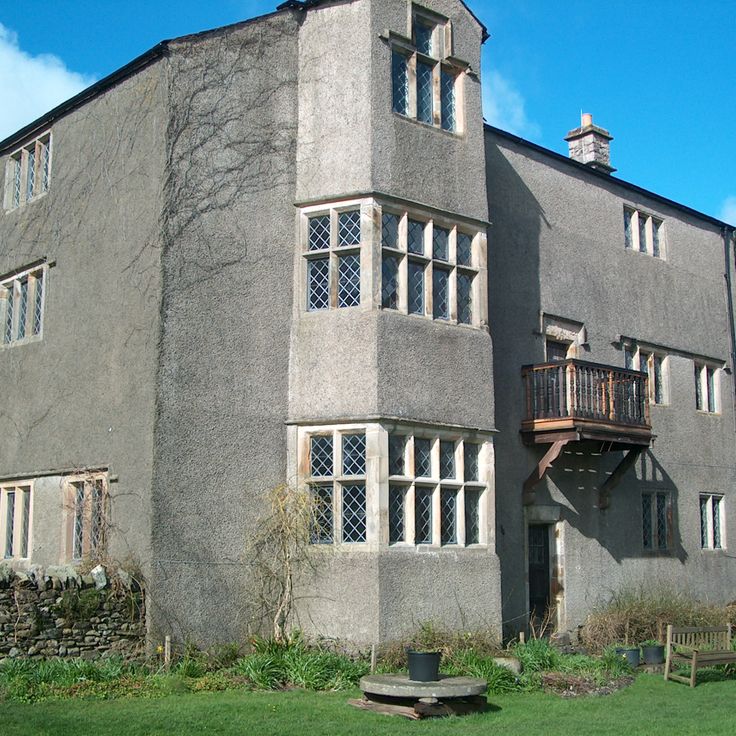
Swarthmoor Hall is a manor house with gardens in Cumbria that played an important role in the early Quaker movement. Starting in 1652, it served as a meeting place for followers of this religious community under George Fox. The house shows how religious ideas spread during this period and how private spaces became places of change.