See the monuments around you in AROpen chests in the app
Around Us is built for your phone — point your camera at the streets and discover the monuments and places around you in augmented reality.Around Us is built for your phone — chests unlock when you walk, explore and capture nearby places.
Lake District in England : main sites, lakes and villages to see
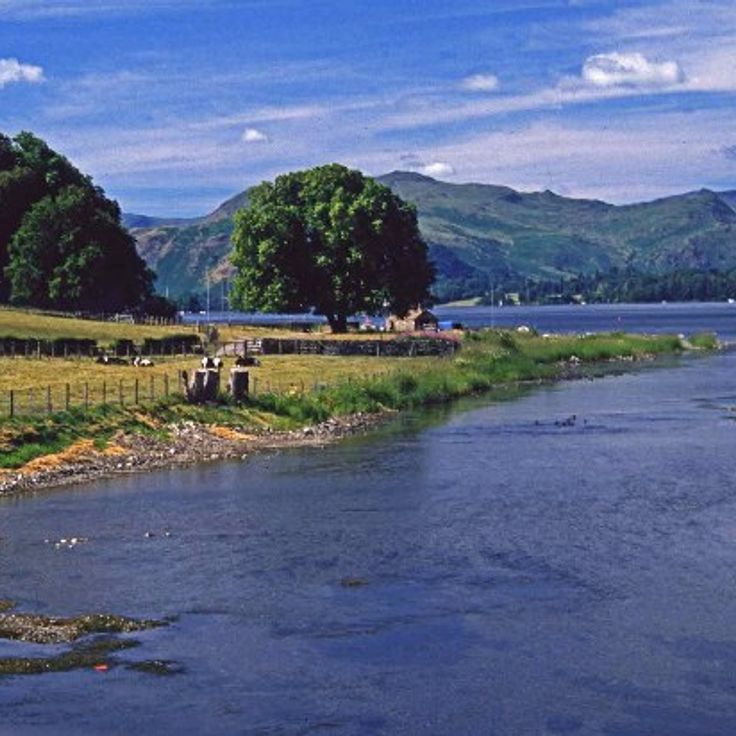
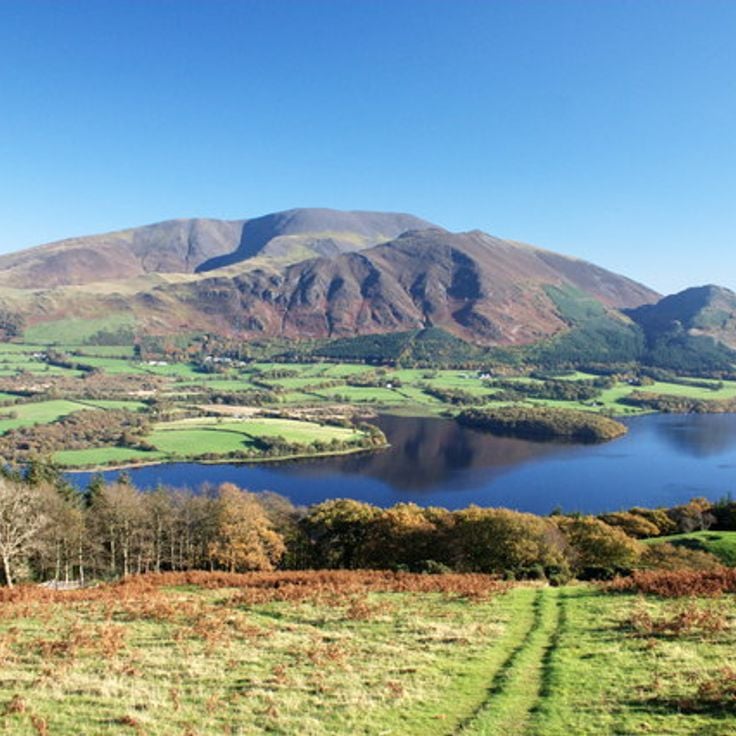
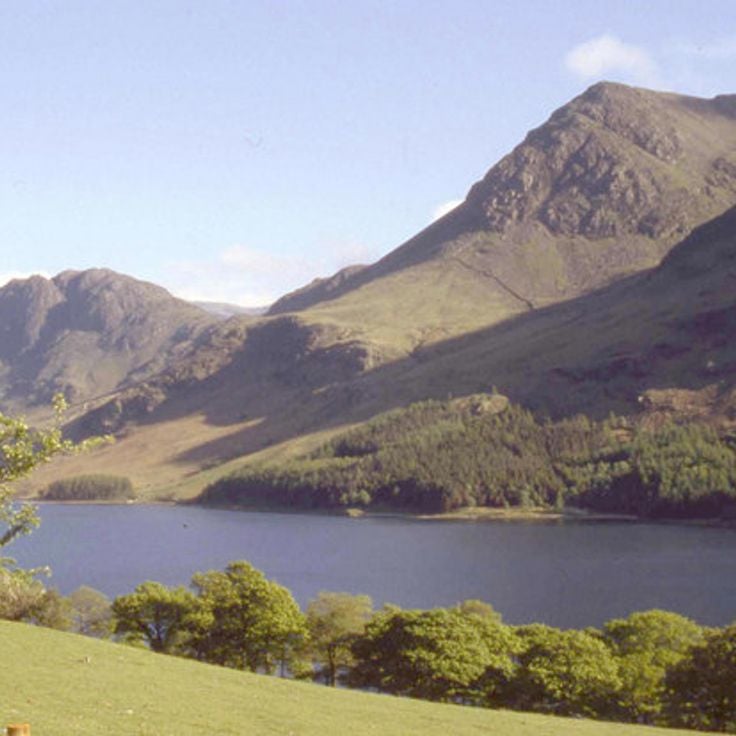
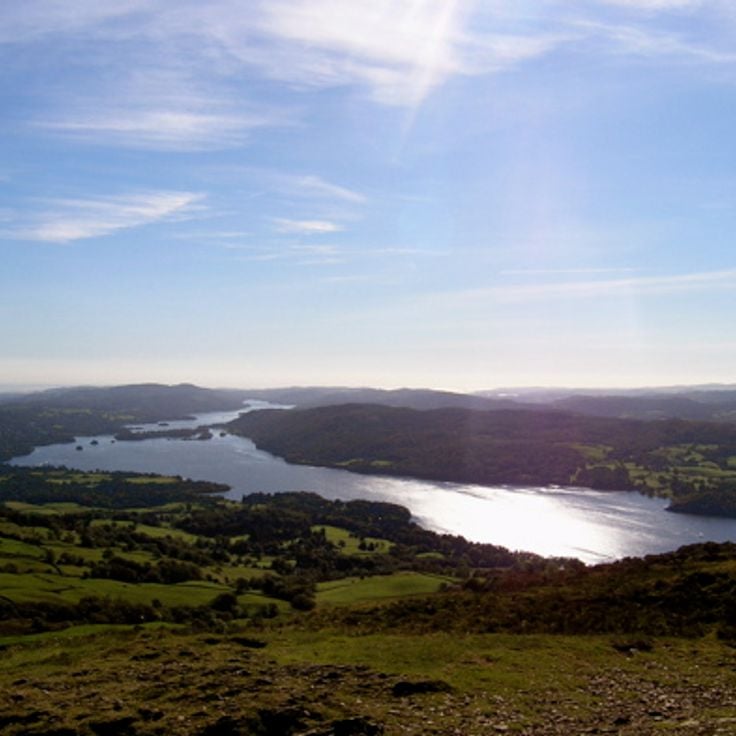
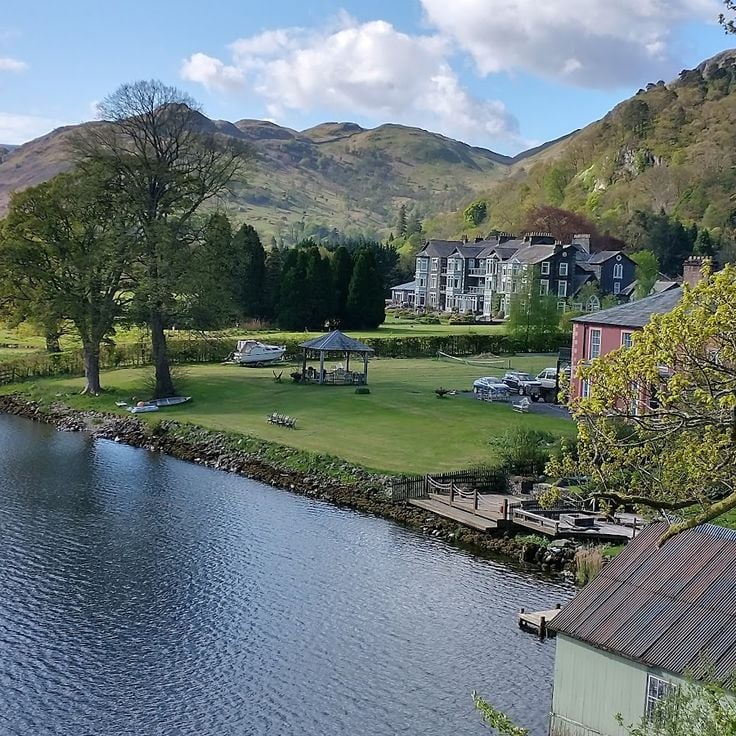
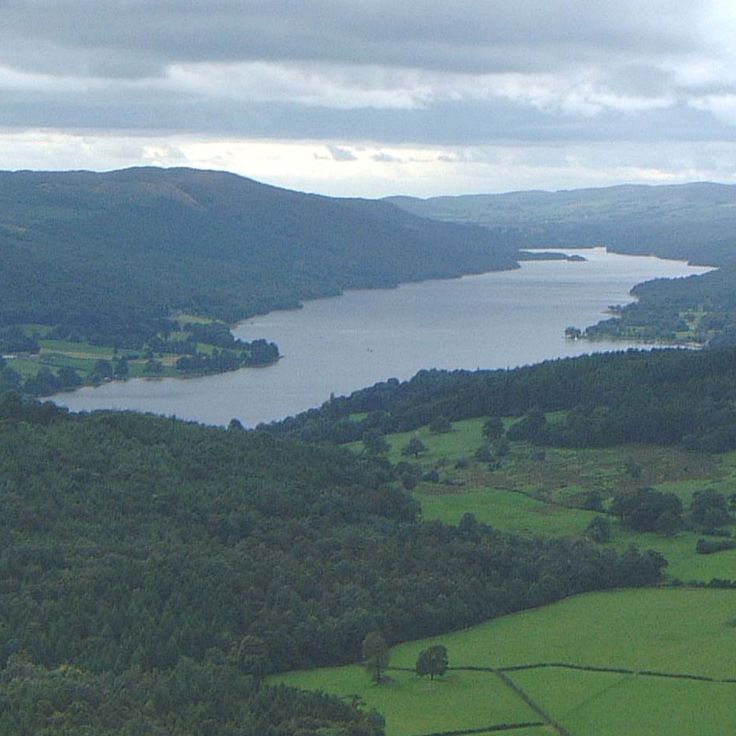
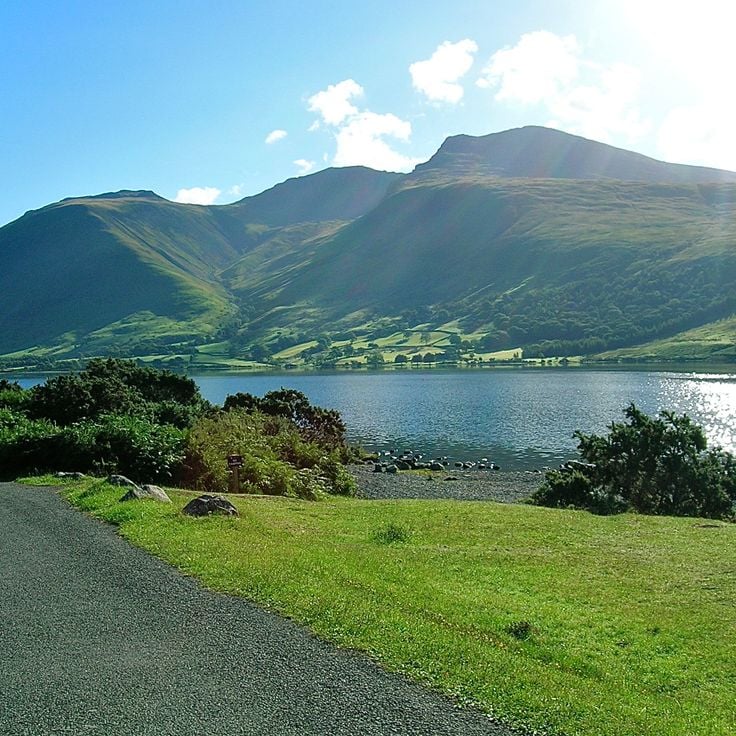
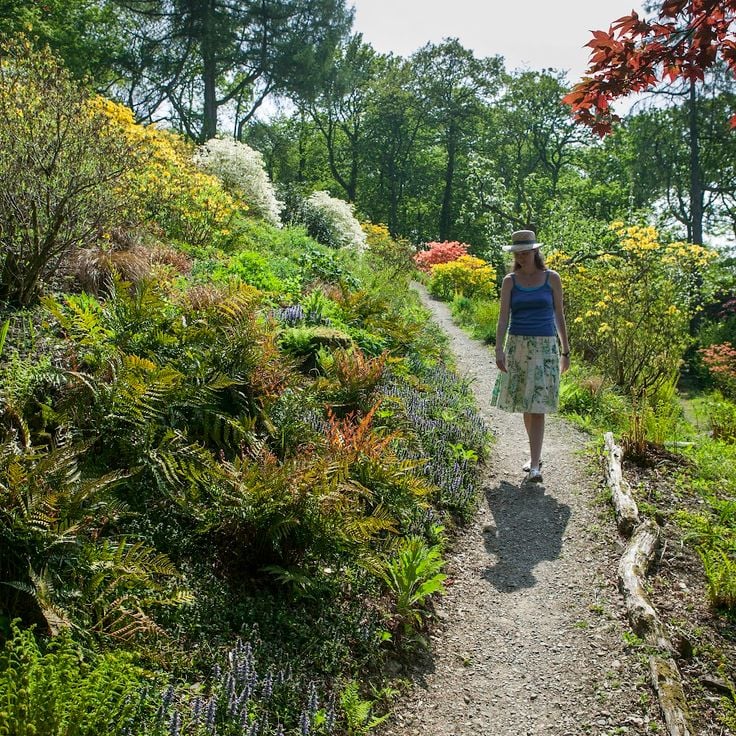
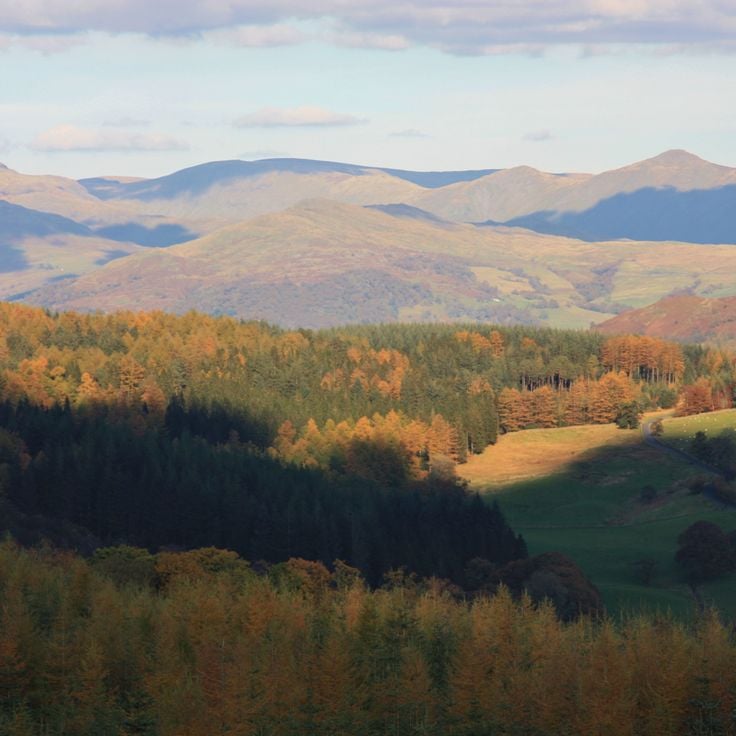
The Lake District covers the hills and valleys of Cumbria where lakes sit among mountains. Windermere, the largest, has boats crossing its waters for many years. Derwentwater, near Keswick, attracts walkers who circle its shores on foot. Ullswater offers a more quiet setting, while Buttermere and Wast Water lie in narrow valleys where the peaks almost touch the sky.
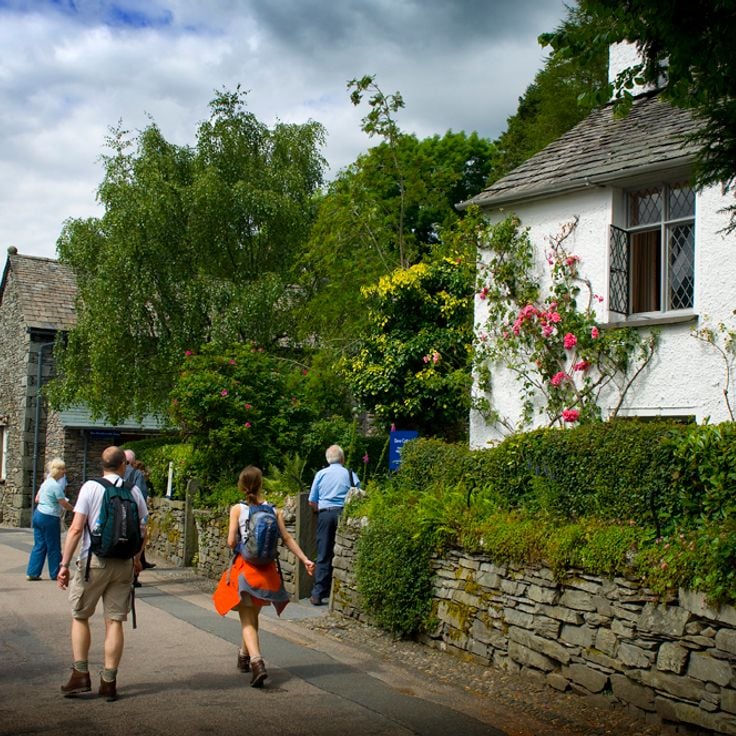
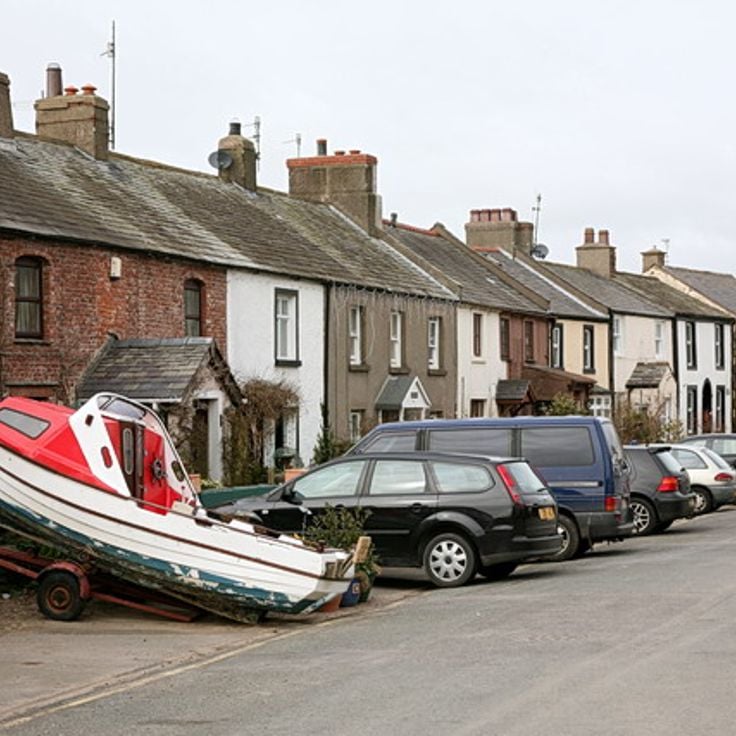
Villages like Grasmere, Hawkshead, and Coniston keep their stone houses and paved streets. William Wordsworth and Beatrix Potter once lived here, and you can still visit their old homes. There are also castles from long ago, stone circles from before history, and woods with walking paths.
This area invites you to walk or learn about the local ways. Big hills like Scafell Pike or Helvellyn draw hikers, while viewpoints reached by car let you see the landscape easily. Museums, art galleries, and small workshops share stories about the local life and history.
Lake District in England : main sites, lakes and villages to see
The Lake District covers the hills and valleys of Cumbria where lakes sit among mountains. Windermere, the largest, has boats crossing its waters for many years. Derwentwater, near Keswick, attracts walkers who circle its shores on foot. Ullswater offers a more quiet setting, while Buttermere and Wast Water lie in narrow valleys where the peaks almost touch the sky.
Villages like Grasmere, Hawkshead, and Coniston keep their stone houses and paved streets. William Wordsworth and Beatrix Potter once lived here, and you can still visit their old homes. There are also castles from long ago, stone circles from before history, and woods with walking paths.
This area invites you to walk or learn about the local ways. Big hills like Scafell Pike or Helvellyn draw hikers, while viewpoints reached by car let you see the landscape easily. Museums, art galleries, and small workshops share stories about the local life and history.
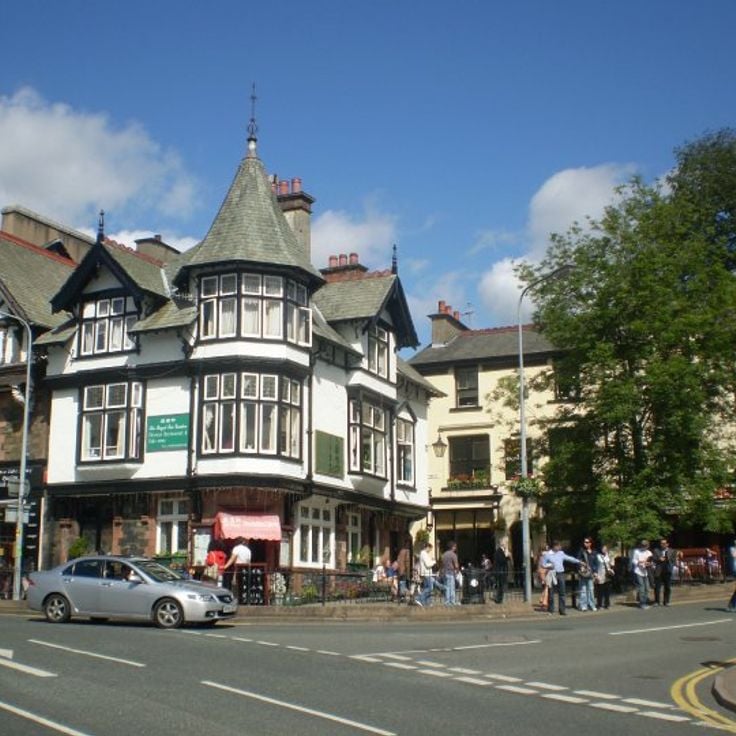
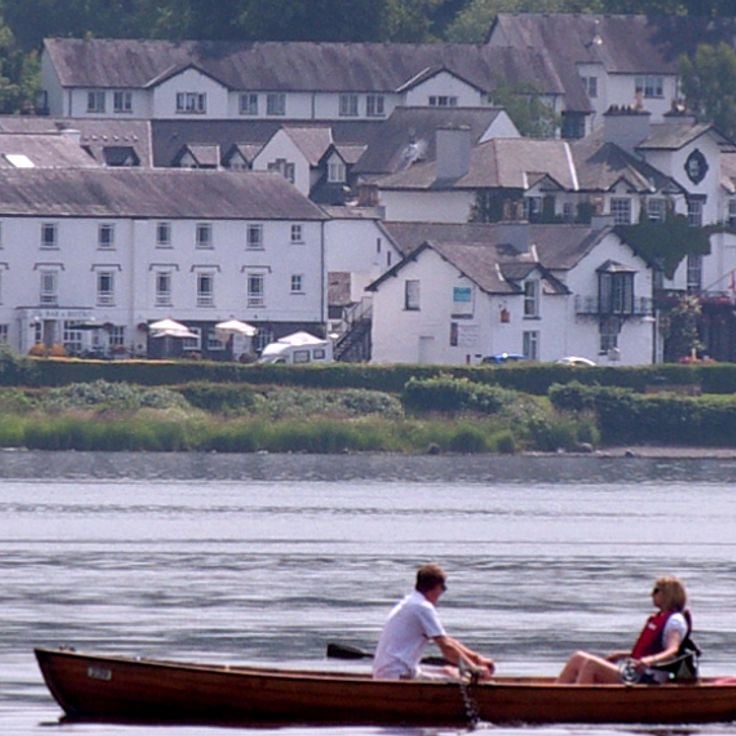
Bowness-on-Windermere is a small town on the shore of Windermere, the largest lake in the region. Here you will find jetties and boat landings from which visitors can take trips out on the water. The town has developed over many years as a starting point for exploring the lake. Walking along the waterfront is part of daily life here, as are views toward the surrounding hills. Shops, restaurants, and accommodations are scattered throughout the streets to serve visitors.
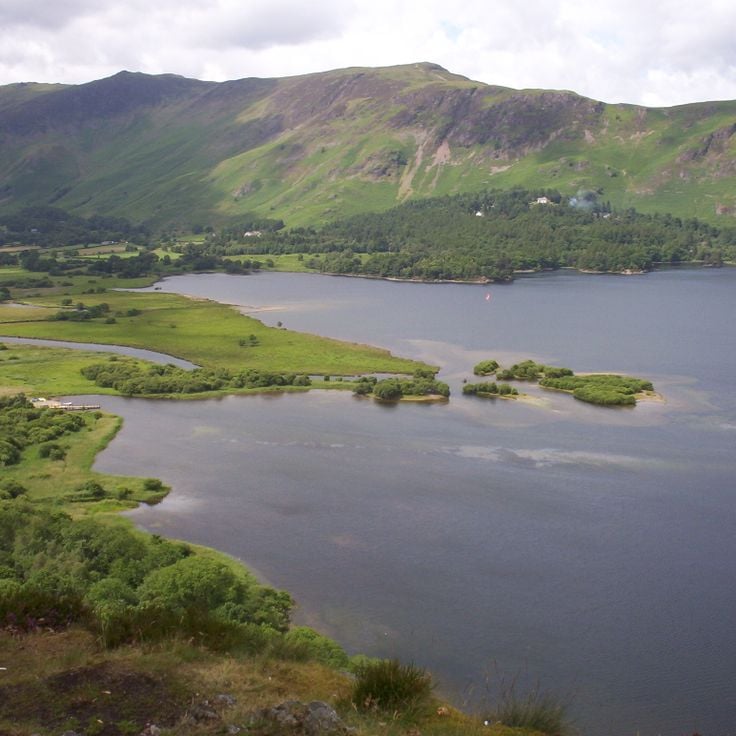
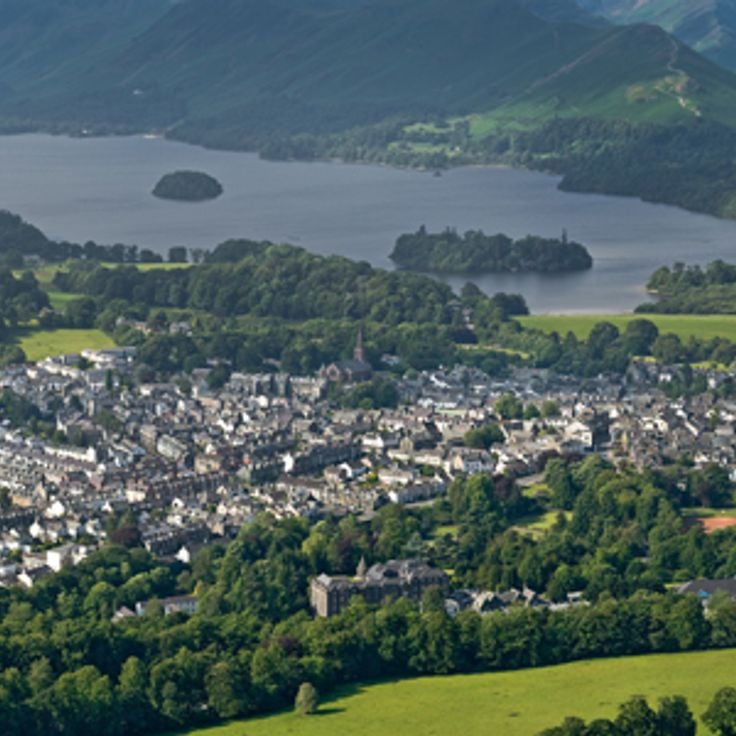
Derwentwater is a lake surrounded by mountains near Keswick in Cumbria. The water reflects the fells that rise around it, creating a space where visitors walk, boat, and take in the views. You can travel across the lake by boat as people have done for generations, or walk the shoreline and watch the landscape change with each turn. From different spots, you see how the mountains meet the water and how the valleys open up beyond.
Hawkshead is a village in the Lake District where history is written into the streets themselves. Stone houses line narrow alleyways, and walking through them feels like stepping back in time. The village once served as an important trading center, and this past remains visible in its buildings. Visitors can explore old schoolrooms where students studied centuries ago and museums that reveal local culture and traditions. Many people come simply to walk and take in the quiet pace of the place. William Wordsworth knew this village, and his connection to the region is part of the stories that live here.
Ullswater is one of the lakes in the Lake District, situated in the valleys of Cumbria. The lake stretches between steep hillsides and offers boat trips that have carried visitors across its waters for many years. Walkers circle the shore on various paths that pass through woodlands and open land. The lake lies in a narrower setting than some of its neighbors, framed by high peaks that drop steeply toward the water. Nearby villages feature stone buildings and walking routes that lead into the surrounding mountains.
Bassenthwaite Lake sits north of Keswick in Cumbria and is one of the quieter lakes in the region. This body of water has a wilder feel than its more famous neighbors and draws nature watchers seeking a different experience. The shoreline is framed by forests and moorlands where birds and other wildlife flourish. The lake offers chances to spot ospreys and various bird species, especially during migration seasons. Unlike the larger lakes nearby, this spot remains less crowded. Walkers find paths along the water's edge and through surrounding woodlands open to exploration.
Buttermere is a small circular lake nestled in a narrow valley in Cumbria. The mountains rise steeply from its shores, creating an enclosed setting away from busier areas. The lake is known for its popular walking loop that circles the entire perimeter. This walk takes about 2 hours and gives visitors views of the surrounding peaks and slopes. A few houses and small inns sit along the water's edge. People come here to walk the circuit, fish, or simply spend time by the water in a quiet location.
Windermere is the largest lake in the Lake District, where boats and sailboats move across the water every day. People come here to travel on the water or to watch the surrounding hills from the shores. The banks are easy to reach, and you will find several small settlements from which you can explore the area. The lake draws both visitors who want to relax and those who want to be active on the water.
Glenridding is a small village on the eastern shore of Ullswater, serving as a gateway to this quieter lake and the walking routes that surround it. The village sits at the base of steep fells that rise from the water's edge. Visitors come here to start hikes to nearby peaks or to walk along the lake shore. The village has a modest character with stone buildings and a welcoming feel. It is a practical place where outdoor enthusiasts begin their explorations of the fell country.
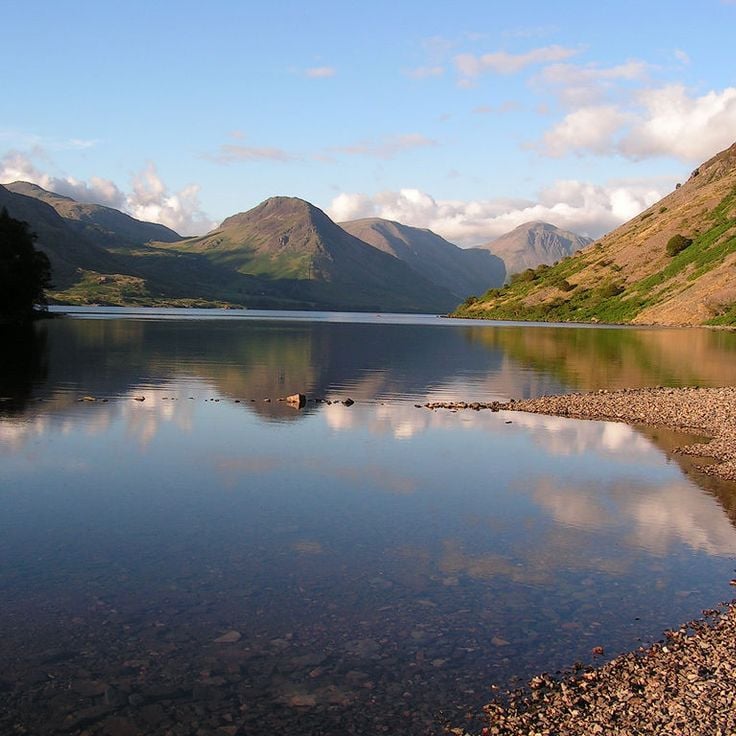
Wast Water sits in the western part of the Lake District and stands out for its dramatic landscape. Steep mountain slopes rise almost vertically from the water, creating a narrow valley setting. The lake feels remote and peaceful compared to other lakes in the region. Dark shorelines and towering peaks frame the view in every direction. Walkers find paths that run along the edge of the water or climb toward the surrounding mountains. The lake draws visitors who seek solitude and striking natural views rather than crowds and facilities.
Keswick is the main hub of the Lake District and a natural base for visitors to this region. The town sits between mountains and lakes, with shops, restaurants and cafes lining its streets. Walking trails fan out from here toward nearby peaks like Catbells and Skiddaw. The central market square is active and welcoming, inviting people to explore. Museums and galleries tell the story of the area and the artists who made their homes here. Many visitors stay overnight and use Keswick as a starting point for reaching the nearby lakes of Derwentwater and Thirlmere.
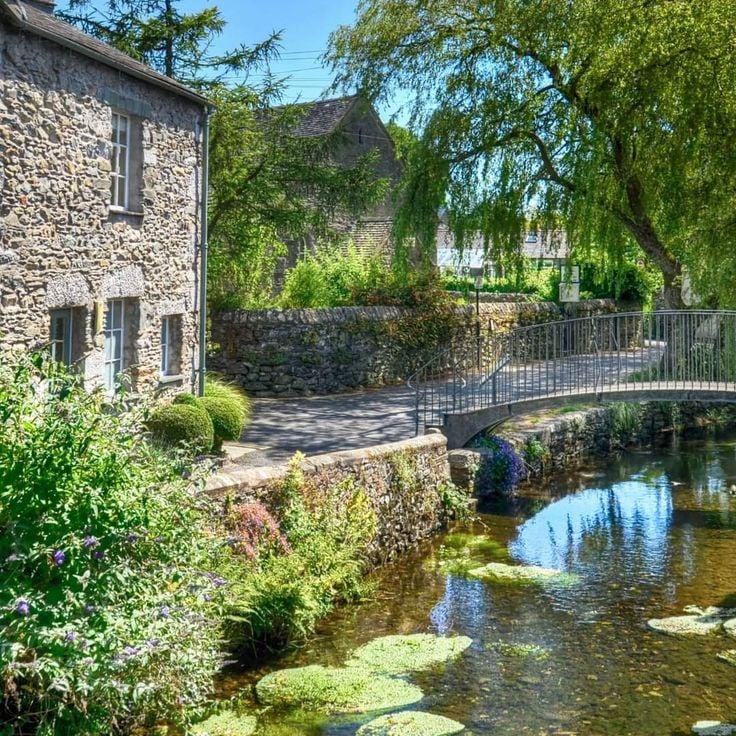
Ambleside sits in the south central Lake District and serves as a starting point for walks in the park. The town has shops and restaurants where visitors can buy supplies and rest. Stone buildings from centuries past line the streets. From here, walkers can reach the surrounding mountains and lakes on foot or with short drives. The town draws people who want to explore nature without traveling far.
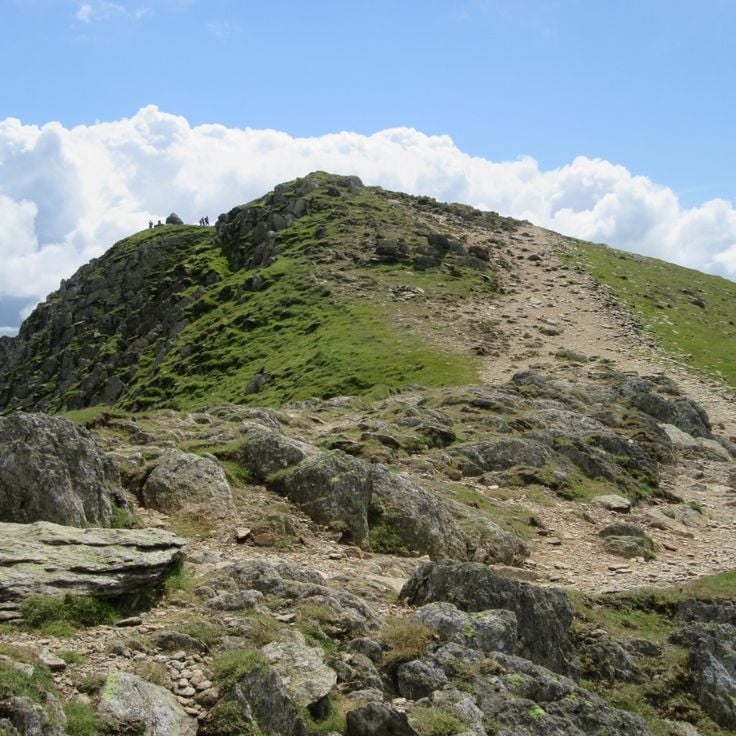
The Old Man of Coniston is a mountain in the Lake District that rises above the village of Coniston. From its summit, you can see Coniston Water and the surrounding hills. The walk to the top takes several hours and follows paths past rocks and stone walls. Many visitors come here to enjoy the views and see the landscape from above. The mountain has been climbed for many years and remains one of the popular walks in the region.
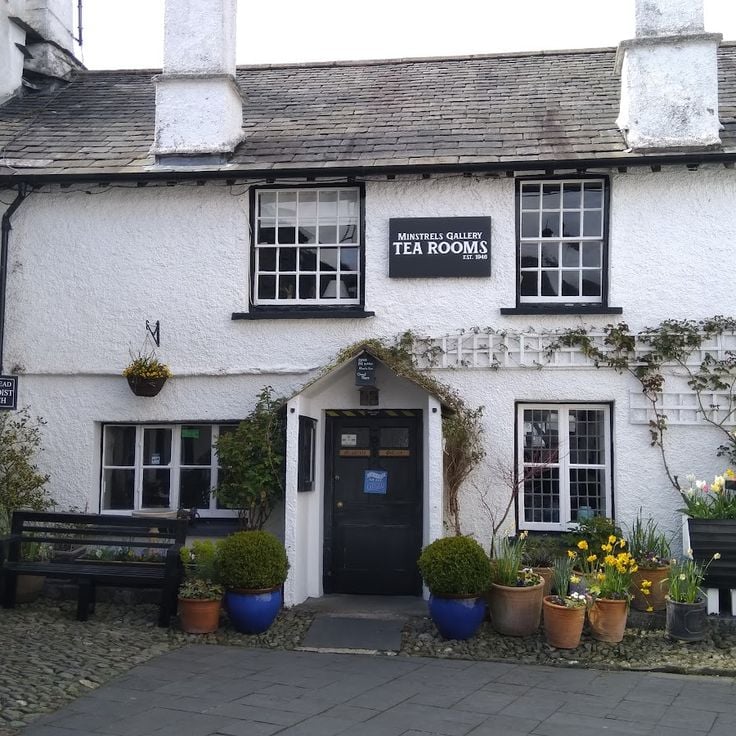
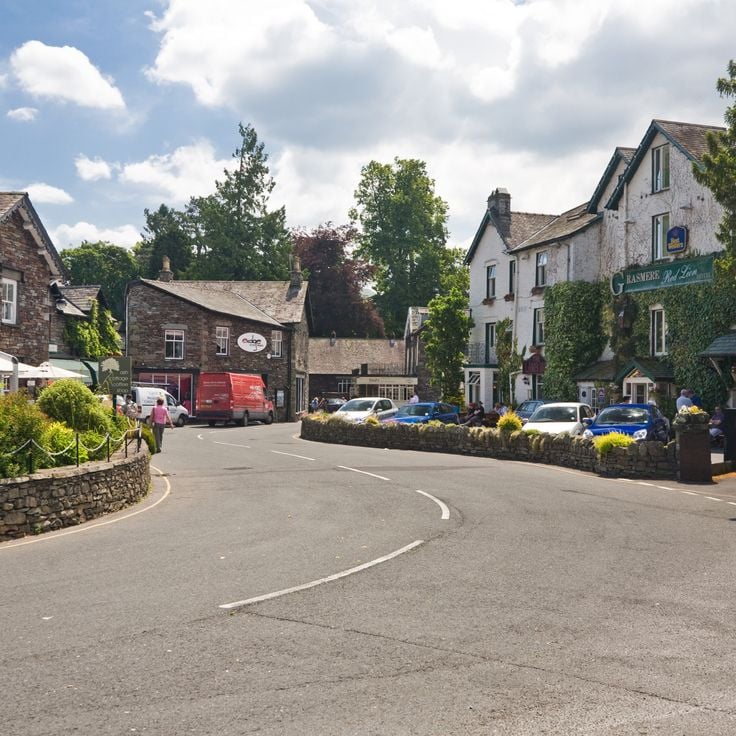
The village of Grasmere sits in the heart of the Lake District with stone buildings and cobbled lanes. William Wordsworth made his home here, and visitors can tour his former residence. The lake reflects the surrounding hills and draws walkers who explore paths along its shores. Small shops, tea houses, and museums fill the village streets and tell stories of its past. Green meadows surround the area and invite leisurely walks through the countryside.
The village of Cartmel in southern Lake District is known for its medieval priory and strong food culture. The settlement keeps its historic stone buildings and narrow paved streets. Here you find a rich food scene, particularly famous for local specialties such as Cartmel sticky toffee pudding, served in traditional tea rooms and restaurants. The priory, one of the few churches in the North West to survive the Reformation, stands at the heart of the place and invites visitors to discover its Gothic architecture. Cartmel brings together history, craft, and local food in one setting.
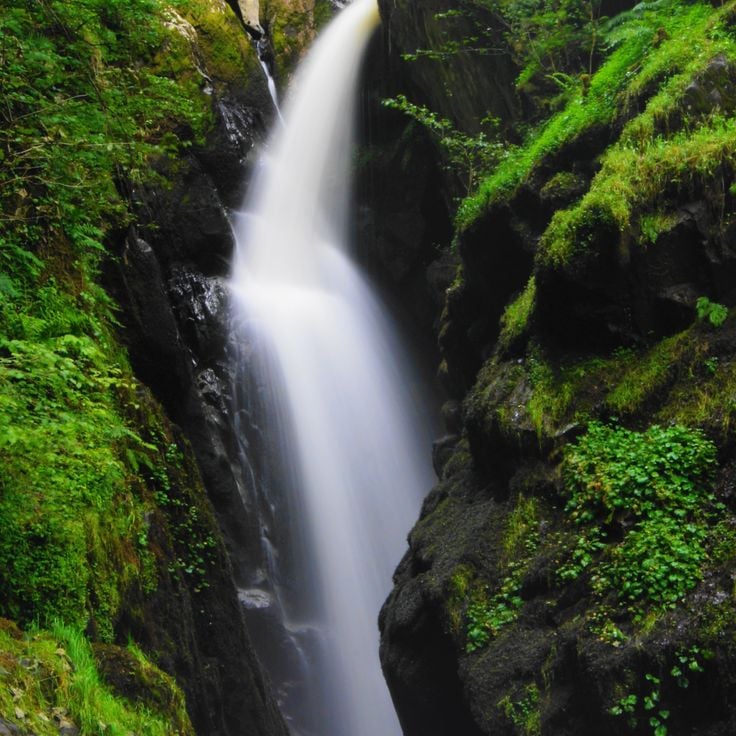
Aira Force Waterfall sits near Ullswater and can be reached by a gentle walking path. Water cascades down the rock face here, creating one of the region's best-known waterfalls. The path winds through an old forest and follows the stream uphill. Many visitors use this spot as a starting point for longer walks into the surrounding hills of the Lake District.
Coniston Water is a lake in England's Lake District, surrounded by mountains and woodlands. The village of Coniston sits along its shores with stone cottages and narrow lanes. The lake draws visitors who come to walk, boat, or explore the landscape. Nearby you will find historical sites, including the home of John Ruskin, the art critic and writer who lived here for many years. The mountains around the lake offer views of the typical scenery of this region.
Scafell Pike is the highest mountain in England and sits in the Lake District in Cumbria. The peak offers demanding hiking routes with far-reaching views across the region's lakes and valleys. Many walkers come here to reach the summit and take in the surrounding landscape. The climb requires stamina, but from the top you see the full scope of the Lake District spread below you.
Dove Cottage in Grasmere was home to William Wordsworth, one of England's greatest poets. The house shows how the poet and his family lived in this Lake District village. The attached museum displays manuscripts, personal items, and poems by Wordsworth. Visitors can see the rooms where he wrote his famous works. The museum tells the story of his life in this area and his connection to nature, which shaped his poetry.
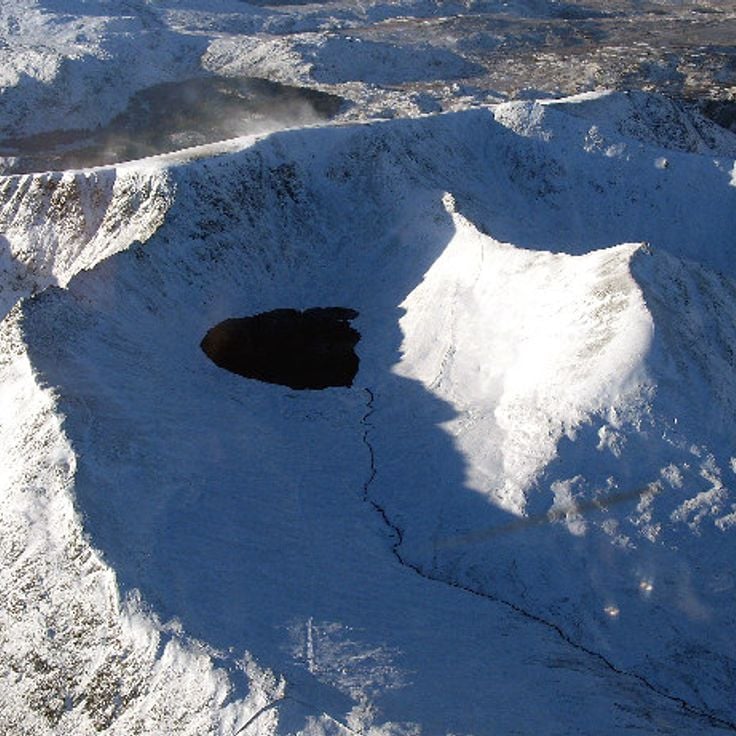
Helvellyn is a well-known peak that stands above Ullswater in Cumbria. The mountain draws hikers because of its dramatic ridges and the routes that follow them. These sharp crests create some of the more demanding hikes in the Lake District. The paths to the summit attract walkers from many places. On clear days, the views from the top stretch across the lakes and valleys below. The mountain has long been a destination for serious hikers and others who want to experience the height and landscape of this region.
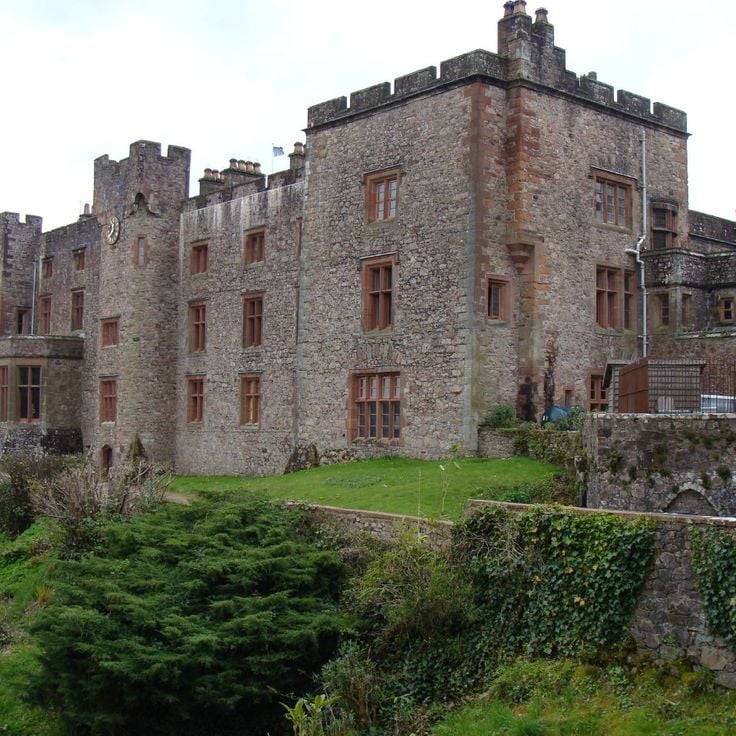
This castle sits near Ravenglass and combines medieval stone walls with formal gardens that spread across the hillside. Inside, rooms hold furniture, paintings, and objects from centuries past. The falconry displays show traditional hunting methods with birds of prey. The grounds include woodland paths and open areas where visitors walk among trees and specimen plants. People can tour the castle rooms, stroll the gardens, or watch the falcons during flying demonstrations.
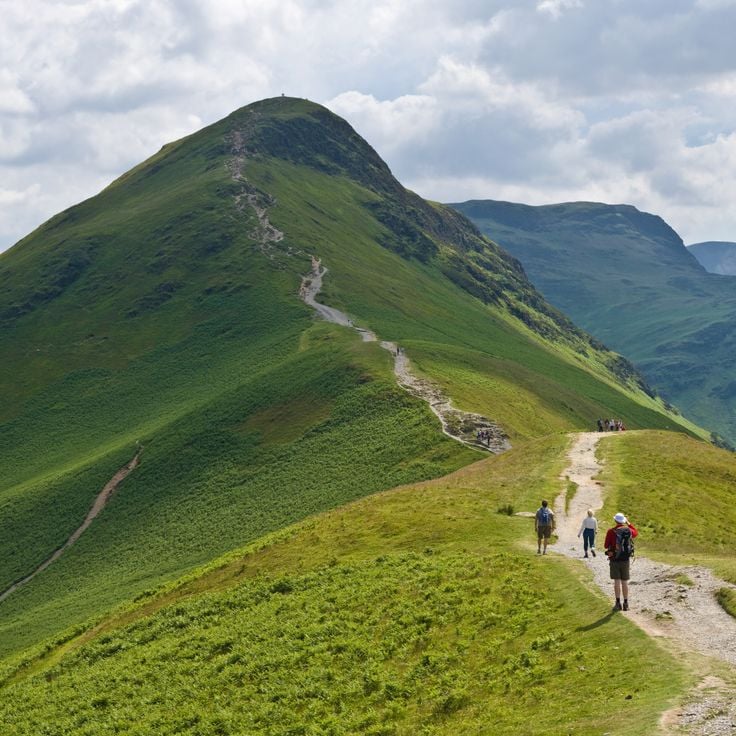
Catbells is a hill near Keswick in Cumbria. The path to the top is manageable for walkers of different abilities. From the summit, views open across Derwentwater and the surrounding fells. Many people come here because the route is not too demanding and the views repay the effort. The trail passes through grassland and over stone. At the top, Derwentwater spreads out below, and on clear days the vista extends across much of the Lake District.
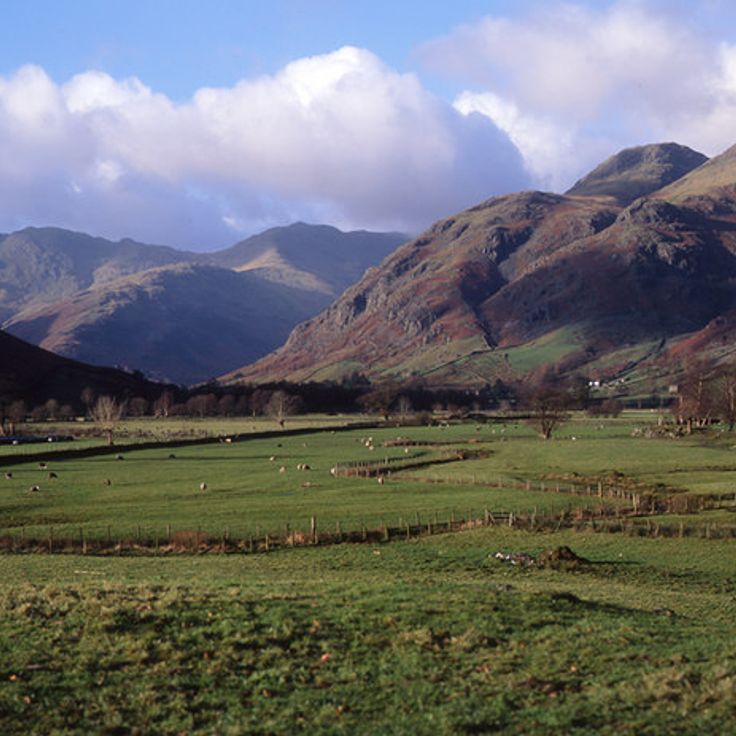
Langdale Valley consists of Great Langdale and Little Langdale, two distinct valleys that define the character of this part of the Lake District. The landscape here changes with the seasons, from green pastures in summer to darker tones in winter. Waterfalls cascade down the valley sides after heavy rain. This valley has been home to slate quarrying for hundreds of years, and you can still see the remnants of old workings. Walking routes range from gentle paths along the valley floor to steep climbs up the surrounding peaks. The area shows how people have shaped the landscape through farming and mining over time.
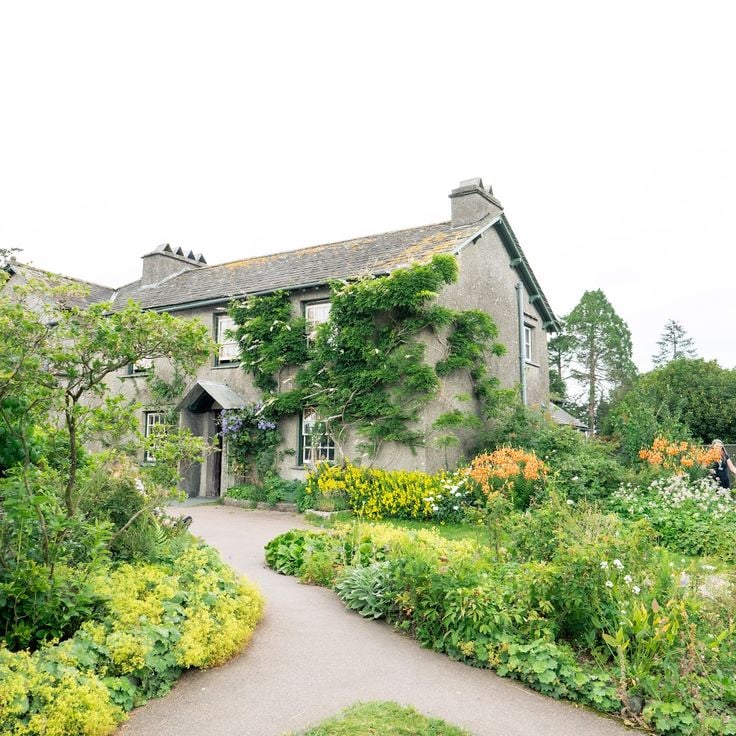
Hill Top is the house where author and illustrator Beatrix Potter lived and created her famous stories. This stone cottage near Sawrey in Cumbria shows how Potter spent her days writing and drawing in its rooms. The interior is arranged as it was during her time, with her original furniture and personal belongings. Traditional gardens surround the house with flower beds and herb gardens that Potter herself maintained. Visitors walk through the same spaces where Potter imagined her characters and can see the landscape that inspired her work.
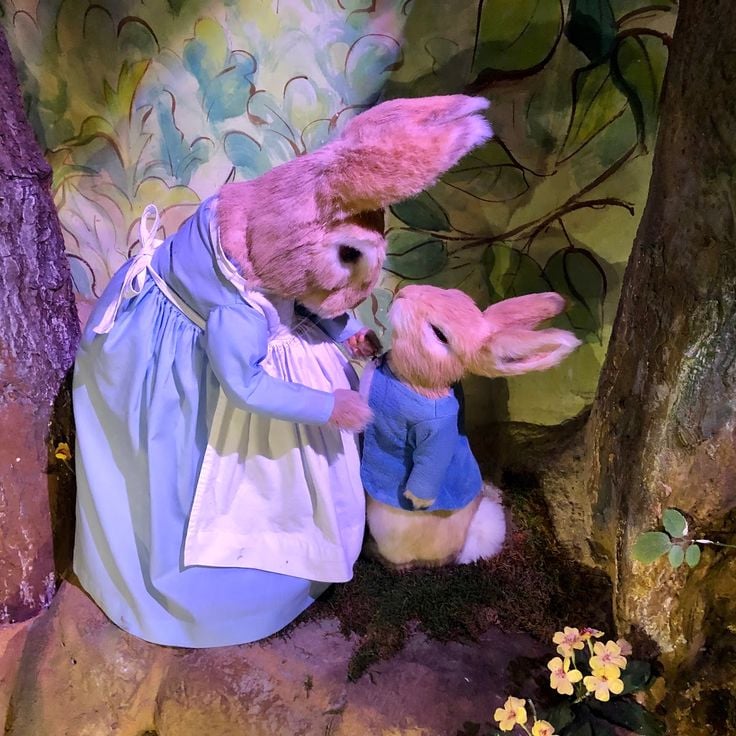
This museum in Bowness-on-Windermere tells the story of Beatrix Potter's life and work. Potter was an author and illustrator who lived in the Lake District and created her beloved children's stories. The museum displays her original illustrations, personal objects, and information about her life. Visitors can explore the world of her characters like Peter Rabbit and learn about Potter's love of nature, which shaped everything she created.
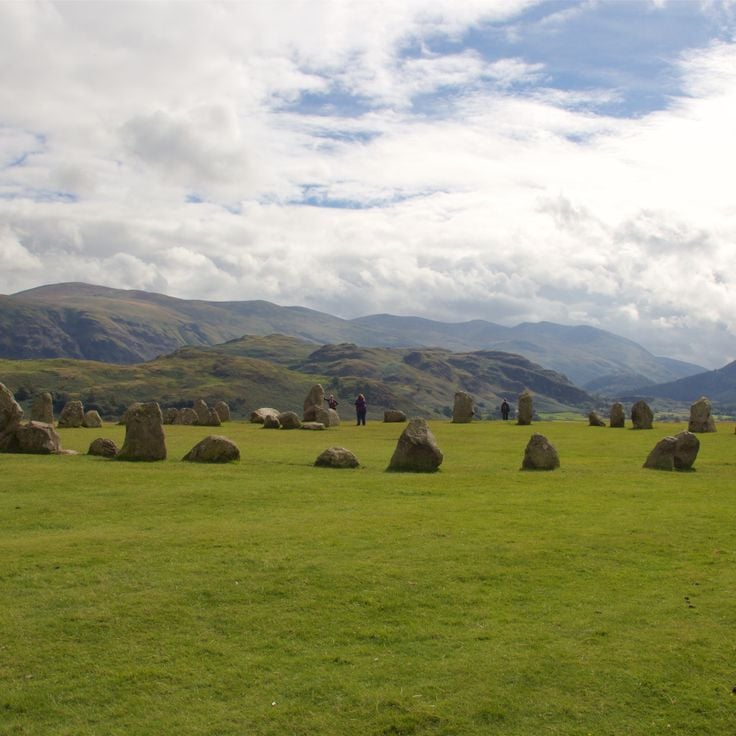
This stone circle sits on a hillside near Keswick and dates back to prehistoric times. About forty upright stones form the ring, standing on an open slope with views of the surrounding mountains and valleys. The site is free to visit and easy to reach on foot. Visitors can walk around the stones and enjoy the landscape from this elevated position. The circle has been part of the local landscape for thousands of years.
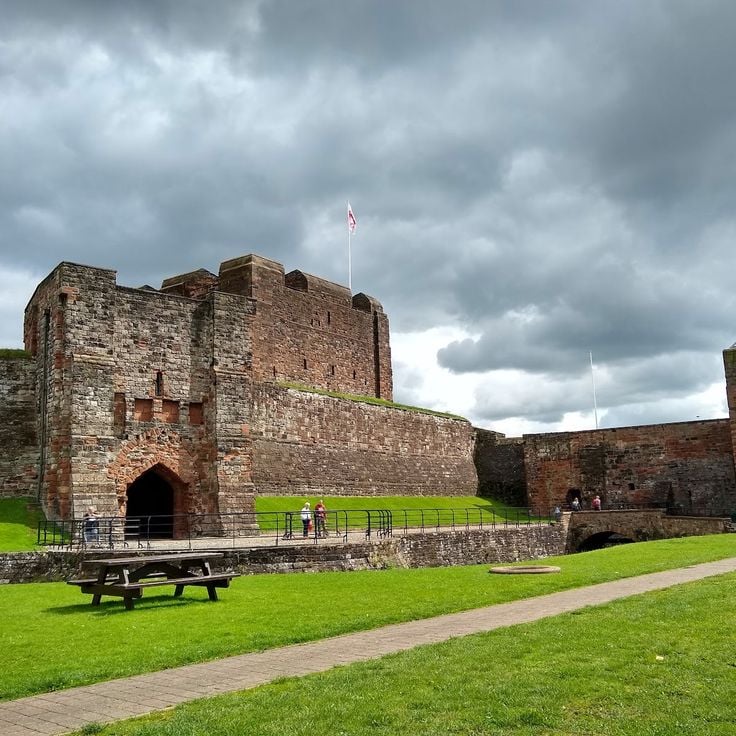
Carlisle Castle is a historic fortress in the north of the Lake District with a long and eventful past. The castle stood for centuries as an important stronghold and was shaped by kings and conquerors. The thick walls and towers tell of conflicts, sieges and medieval life. Visitors can walk through the rooms, see old weapons and objects, and touch the sturdy fortifications. The grounds offer insight into English history at the border with Scotland.
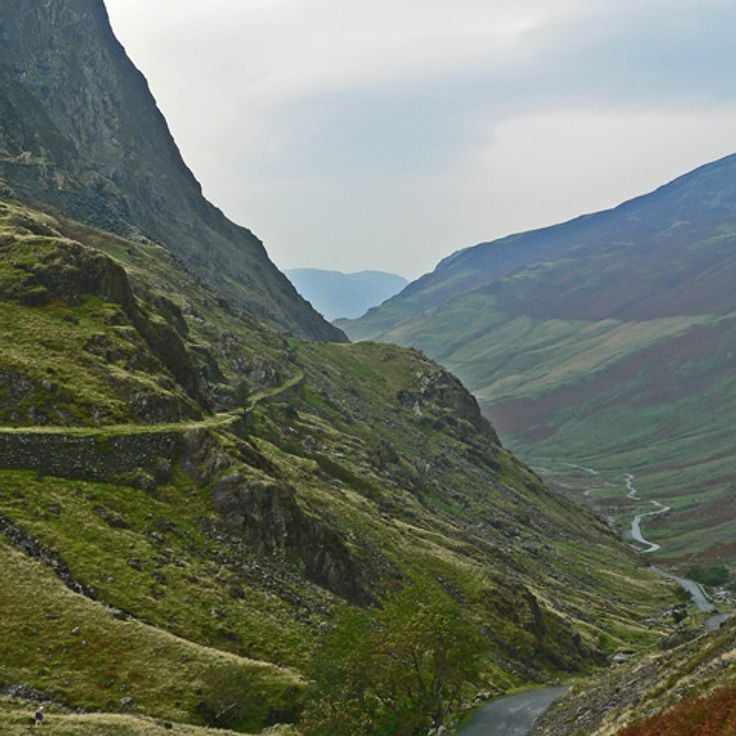
Honister Pass is a winding mountain road that climbs through Borrowdale, connecting lower valleys to higher terrain. Along the route, several trailheads lead to nearby peaks and ridges. An active slate mine operates here and welcomes visitors to explore its tunnels and learn about the mining heritage. The road itself commands views across the surrounding fells and valleys. Walkers frequent this pass as a gateway to climbing summits in the Lake District.
Brantwood was the home of art critic John Ruskin and sits on the shore of Coniston Water in Cumbria. The house and museum display his life, writings, and art collections. Gardens surround the building and slope down to the lake, offering views of the surrounding hills. Ruskin was an influential thinker of the 19th century, and his house preserves the character of his time. Visitors can explore his rooms, see his desk, and examine objects that mattered to him. The gardens invite walks and show how Ruskin understood and valued nature.
Grizedale Forest sits within the Lake District's landscape of lakes and villages. This woodland area contains a network of walking paths that wind through trees and clearings. Along the routes, wooden sculptures created by artists blend with the surroundings. The forest also attracts mountain bikers who use designated trails. It is a place where visitors can walk or cycle while experiencing the natural character of the Lake District.
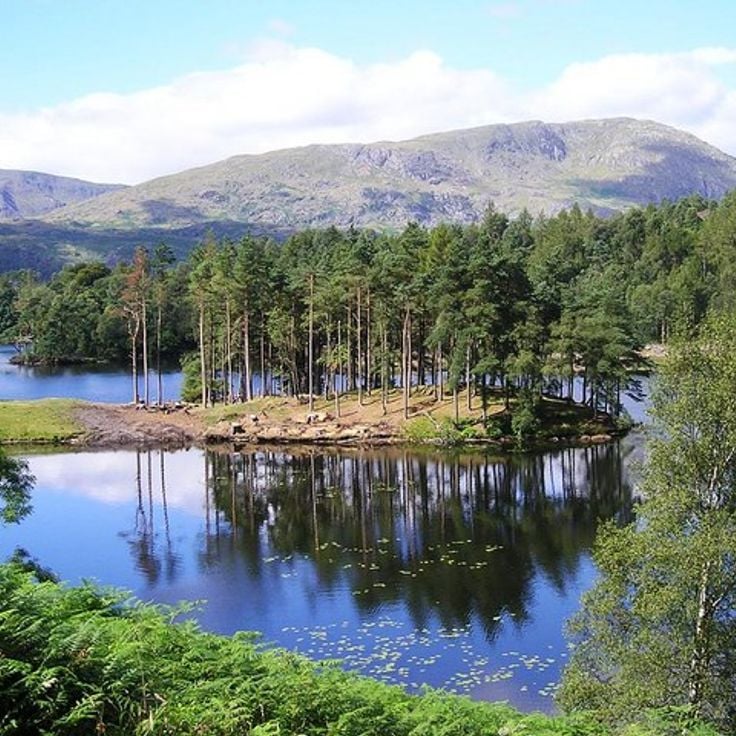
Tarn Hows is a small lake near Coniston, surrounded by coniferous forests and rolling hills. An easy walking path circles the water, offering views of the surrounding mountains. Located in the Lake District, it is a popular spot for walkers seeking a gentle outing. The water reflects the landscape, and quiet spots along the shore invite visitors to pause and take in the surroundings.
Ravenglass is a coastal village on the western edge of the Lake District. The village sits where three rivers meet the Irish Sea. It is known for the small mountain railway that departs from here and carries passengers into the surrounding fells. Roman ruins from an ancient fort can be visited in the area. People come to explore the coast, walk the surrounding paths, and experience village life at a slower pace. The beach draws families, and the nearby mountains offer walking routes for different abilities.
Lakes Distillery in Bassenthwaite is a local distillery that opens its doors to visitors who want to learn about and taste its spirits. The distillery offers guided tours showing how the drinks are made, and visitors can sample different varieties. For travelers in the Lake District, this is a place to discover local craftsmanship and regional products.
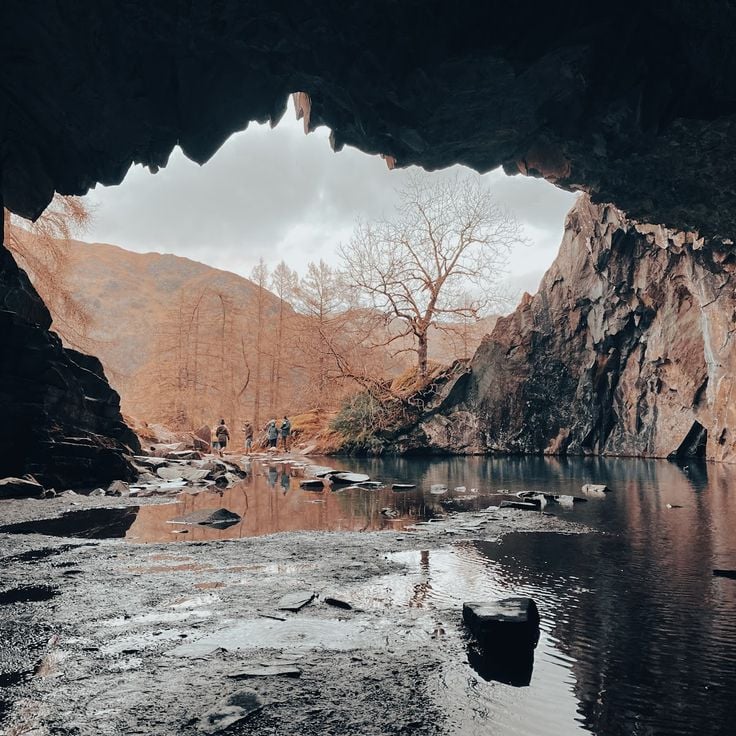
Rydal Water is a small lake in the Lake District that sits between Rydal and Grasmere. Green hills surround it, and walkers come here to explore the area on foot. A cave called Rydal Cave lies nearby and visitors often find it along their walks. The lake itself is quieter and less crowded than the bigger lakes in the region, but it offers nice views of the surrounding hills. The paths around the lake are easy to walk and pass through woods and open land.
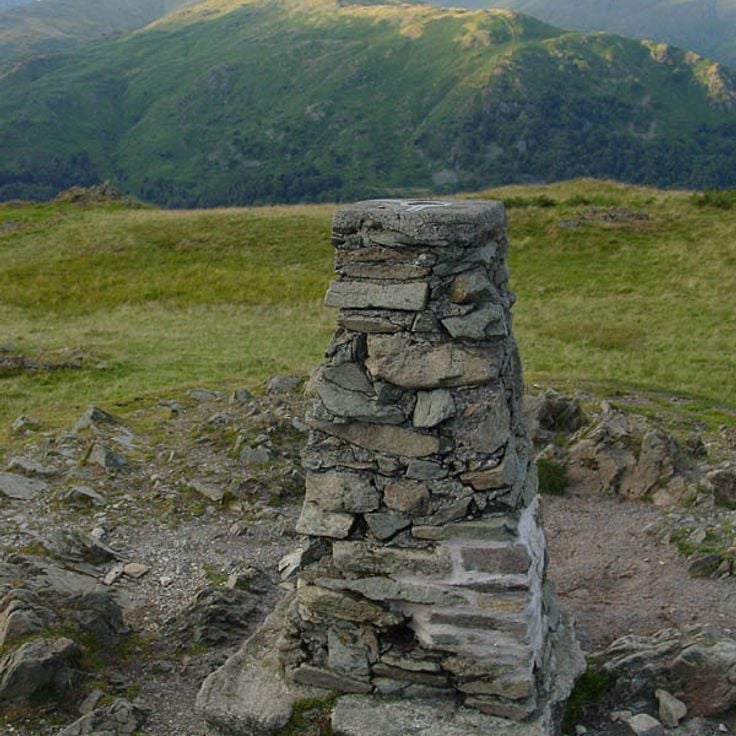
Loughrigg Fell is a hill near Ambleside that offers one of the easier walks in the Lake District. A well-marked path takes you to the summit, where you can see across several lakes and valleys below. The climb takes just a few hours and needs no special skills. From the top, you look out over Windermere and Rydal Water with the surrounding fells beyond. On clear days, the view spreads across multiple valleys. This hill sits close to the villages of the region and draws many walkers who want a good outing without spending hours on the trail.
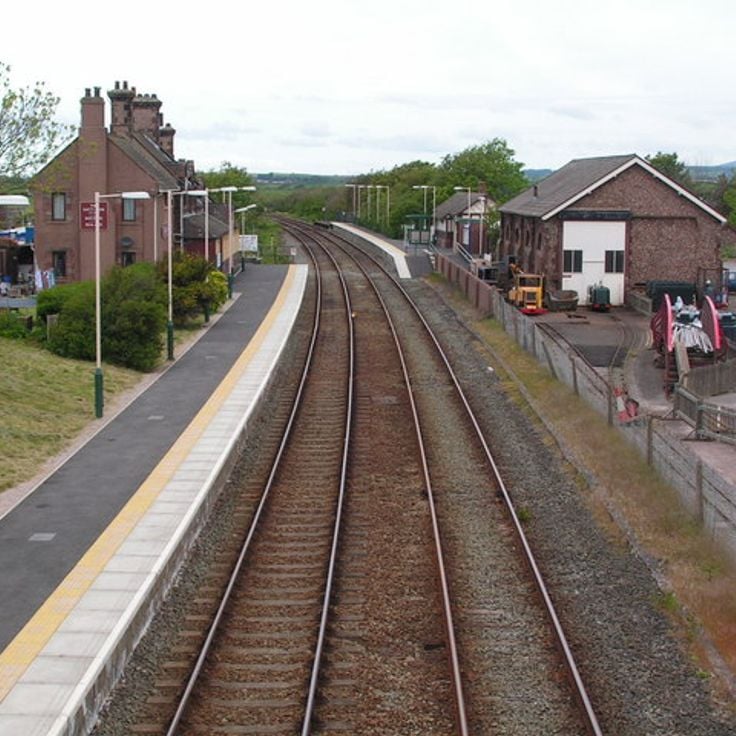
The Ravenglass and Eskdale Railway is a narrow-gauge heritage railway that connects Ravenglass to the Eskdale valleys. Built in the 19th century, this train still runs today through the green landscapes and mountains of the Lake District. From the windows, passengers see hills, forests, and small villages as the journey unfolds. The trip takes about an hour and carries visitors deep into valleys that would otherwise be difficult to reach. For many visitors, this railway offers a relaxed way to explore the natural beauty of the Lake District.
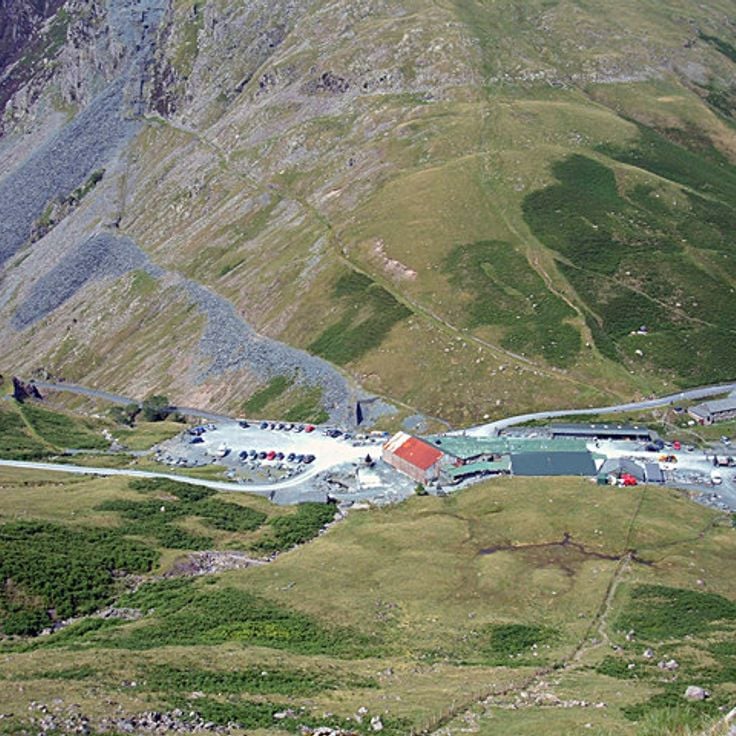
Honister Slate Mine is a historic slate quarry in the Lake District where visitors can explore the underground workings. Guided tours take you through the tunnels to see how slate was extracted and worked. For those seeking more adventure, there is a via ferrata route that climbs the rock faces. The mine tells the story of the slate industry that shaped this mountain region.
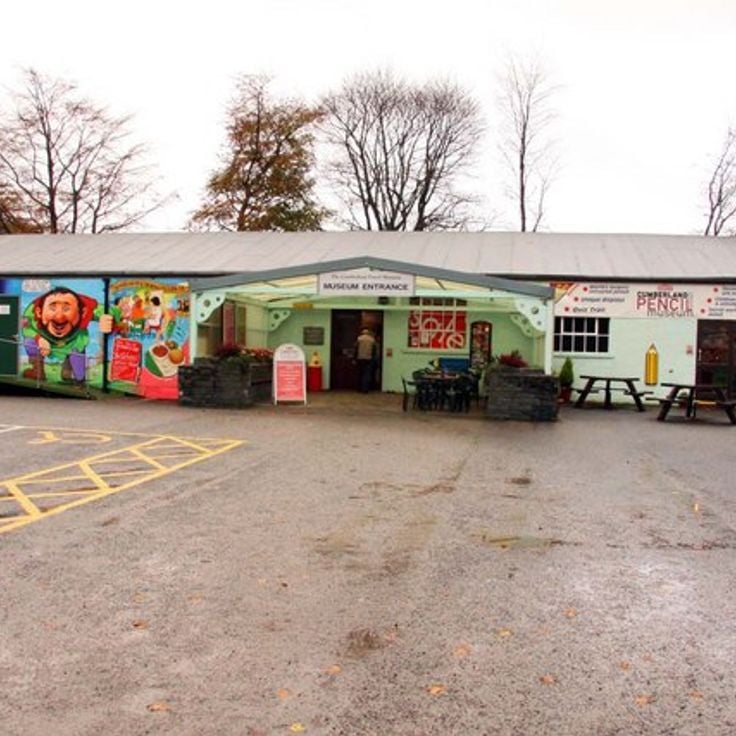
The Derwent Pencil Museum in Keswick tells the story of pencil making in this corner of England. The museum displays original machinery, tools, and products from different periods. You can follow how pencils were made from the 1500s to the present day. Exhibits let you try your hand at making a pencil yourself. From the top floor, you can see across the lakes and fells of the Lake District.
Thirlmere is a lake south of Keswick surrounded by forest with walking paths that run along its shores. This lake sits within the Lake District and is framed by green hills. People come here to walk the forest trails and spend time in nature. The water reflects the surrounding mountains. It is a place where visitors can explore quieter paths away from the busier lakes in the region.
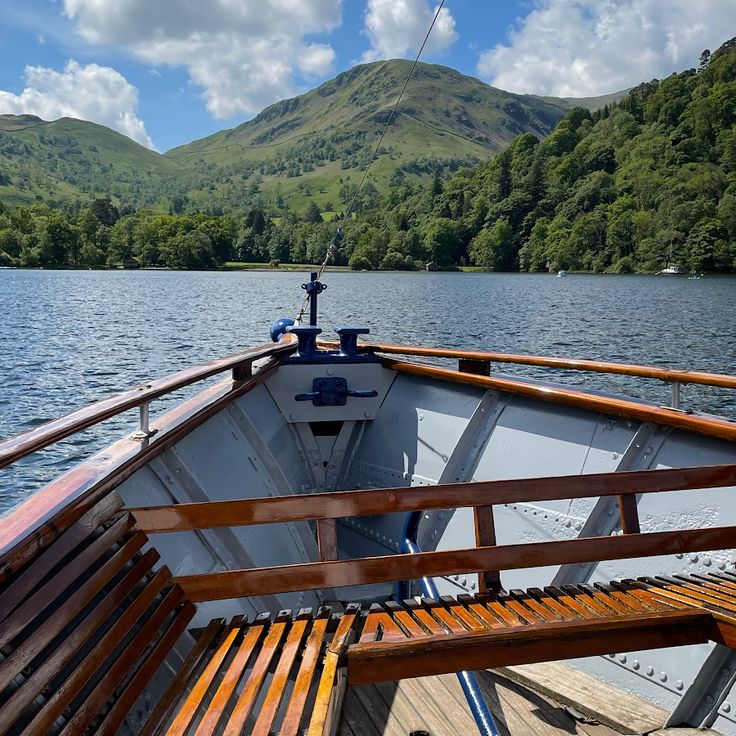
Ullswater Steamers are historic steam-powered boats that offer cruises on Ullswater lake. The lake sits in Cumbria, surrounded by steep mountain slopes. These boats have run the water for decades, connecting villages on the shore. Passengers can watch the mountains and forests that border the lake from the deck. It is a calm way to experience the lake without paddling or rowing yourself.
Bowness-on-Windermere is a small town on the shore of Windermere, the largest lake in the region. Here you will find jetties and boat landings from which visitors can take trips out on the water. The town has developed over many years as a starting point for exploring the lake. Walking along the waterfront is part of daily life here, as are views toward the surrounding hills. Shops, restaurants, and accommodations are scattered throughout the streets to serve visitors.
Derwentwater is a lake surrounded by mountains near Keswick in Cumbria. The water reflects the fells that rise around it, creating a space where visitors walk, boat, and take in the views. You can travel across the lake by boat as people have done for generations, or walk the shoreline and watch the landscape change with each turn. From different spots, you see how the mountains meet the water and how the valleys open up beyond.
Hawkshead is a village in the Lake District where history is written into the streets themselves. Stone houses line narrow alleyways, and walking through them feels like stepping back in time. The village once served as an important trading center, and this past remains visible in its buildings. Visitors can explore old schoolrooms where students studied centuries ago and museums that reveal local culture and traditions. Many people come simply to walk and take in the quiet pace of the place. William Wordsworth knew this village, and his connection to the region is part of the stories that live here.
Ullswater is one of the lakes in the Lake District, situated in the valleys of Cumbria. The lake stretches between steep hillsides and offers boat trips that have carried visitors across its waters for many years. Walkers circle the shore on various paths that pass through woodlands and open land. The lake lies in a narrower setting than some of its neighbors, framed by high peaks that drop steeply toward the water. Nearby villages feature stone buildings and walking routes that lead into the surrounding mountains.
Bassenthwaite Lake sits north of Keswick in Cumbria and is one of the quieter lakes in the region. This body of water has a wilder feel than its more famous neighbors and draws nature watchers seeking a different experience. The shoreline is framed by forests and moorlands where birds and other wildlife flourish. The lake offers chances to spot ospreys and various bird species, especially during migration seasons. Unlike the larger lakes nearby, this spot remains less crowded. Walkers find paths along the water's edge and through surrounding woodlands open to exploration.
Buttermere is a small circular lake nestled in a narrow valley in Cumbria. The mountains rise steeply from its shores, creating an enclosed setting away from busier areas. The lake is known for its popular walking loop that circles the entire perimeter. This walk takes about 2 hours and gives visitors views of the surrounding peaks and slopes. A few houses and small inns sit along the water's edge. People come here to walk the circuit, fish, or simply spend time by the water in a quiet location.
Windermere is the largest lake in the Lake District, where boats and sailboats move across the water every day. People come here to travel on the water or to watch the surrounding hills from the shores. The banks are easy to reach, and you will find several small settlements from which you can explore the area. The lake draws both visitors who want to relax and those who want to be active on the water.
Glenridding is a small village on the eastern shore of Ullswater, serving as a gateway to this quieter lake and the walking routes that surround it. The village sits at the base of steep fells that rise from the water's edge. Visitors come here to start hikes to nearby peaks or to walk along the lake shore. The village has a modest character with stone buildings and a welcoming feel. It is a practical place where outdoor enthusiasts begin their explorations of the fell country.
Wast Water sits in the western part of the Lake District and stands out for its dramatic landscape. Steep mountain slopes rise almost vertically from the water, creating a narrow valley setting. The lake feels remote and peaceful compared to other lakes in the region. Dark shorelines and towering peaks frame the view in every direction. Walkers find paths that run along the edge of the water or climb toward the surrounding mountains. The lake draws visitors who seek solitude and striking natural views rather than crowds and facilities.
Keswick is the main hub of the Lake District and a natural base for visitors to this region. The town sits between mountains and lakes, with shops, restaurants and cafes lining its streets. Walking trails fan out from here toward nearby peaks like Catbells and Skiddaw. The central market square is active and welcoming, inviting people to explore. Museums and galleries tell the story of the area and the artists who made their homes here. Many visitors stay overnight and use Keswick as a starting point for reaching the nearby lakes of Derwentwater and Thirlmere.
Ambleside sits in the south central Lake District and serves as a starting point for walks in the park. The town has shops and restaurants where visitors can buy supplies and rest. Stone buildings from centuries past line the streets. From here, walkers can reach the surrounding mountains and lakes on foot or with short drives. The town draws people who want to explore nature without traveling far.
The Old Man of Coniston is a mountain in the Lake District that rises above the village of Coniston. From its summit, you can see Coniston Water and the surrounding hills. The walk to the top takes several hours and follows paths past rocks and stone walls. Many visitors come here to enjoy the views and see the landscape from above. The mountain has been climbed for many years and remains one of the popular walks in the region.
The village of Grasmere sits in the heart of the Lake District with stone buildings and cobbled lanes. William Wordsworth made his home here, and visitors can tour his former residence. The lake reflects the surrounding hills and draws walkers who explore paths along its shores. Small shops, tea houses, and museums fill the village streets and tell stories of its past. Green meadows surround the area and invite leisurely walks through the countryside.
The village of Cartmel in southern Lake District is known for its medieval priory and strong food culture. The settlement keeps its historic stone buildings and narrow paved streets. Here you find a rich food scene, particularly famous for local specialties such as Cartmel sticky toffee pudding, served in traditional tea rooms and restaurants. The priory, one of the few churches in the North West to survive the Reformation, stands at the heart of the place and invites visitors to discover its Gothic architecture. Cartmel brings together history, craft, and local food in one setting.
Aira Force Waterfall sits near Ullswater and can be reached by a gentle walking path. Water cascades down the rock face here, creating one of the region's best-known waterfalls. The path winds through an old forest and follows the stream uphill. Many visitors use this spot as a starting point for longer walks into the surrounding hills of the Lake District.
Coniston Water is a lake in England's Lake District, surrounded by mountains and woodlands. The village of Coniston sits along its shores with stone cottages and narrow lanes. The lake draws visitors who come to walk, boat, or explore the landscape. Nearby you will find historical sites, including the home of John Ruskin, the art critic and writer who lived here for many years. The mountains around the lake offer views of the typical scenery of this region.
Scafell Pike is the highest mountain in England and sits in the Lake District in Cumbria. The peak offers demanding hiking routes with far-reaching views across the region's lakes and valleys. Many walkers come here to reach the summit and take in the surrounding landscape. The climb requires stamina, but from the top you see the full scope of the Lake District spread below you.
Dove Cottage in Grasmere was home to William Wordsworth, one of England's greatest poets. The house shows how the poet and his family lived in this Lake District village. The attached museum displays manuscripts, personal items, and poems by Wordsworth. Visitors can see the rooms where he wrote his famous works. The museum tells the story of his life in this area and his connection to nature, which shaped his poetry.
Helvellyn is a well-known peak that stands above Ullswater in Cumbria. The mountain draws hikers because of its dramatic ridges and the routes that follow them. These sharp crests create some of the more demanding hikes in the Lake District. The paths to the summit attract walkers from many places. On clear days, the views from the top stretch across the lakes and valleys below. The mountain has long been a destination for serious hikers and others who want to experience the height and landscape of this region.
This castle sits near Ravenglass and combines medieval stone walls with formal gardens that spread across the hillside. Inside, rooms hold furniture, paintings, and objects from centuries past. The falconry displays show traditional hunting methods with birds of prey. The grounds include woodland paths and open areas where visitors walk among trees and specimen plants. People can tour the castle rooms, stroll the gardens, or watch the falcons during flying demonstrations.
Catbells is a hill near Keswick in Cumbria. The path to the top is manageable for walkers of different abilities. From the summit, views open across Derwentwater and the surrounding fells. Many people come here because the route is not too demanding and the views repay the effort. The trail passes through grassland and over stone. At the top, Derwentwater spreads out below, and on clear days the vista extends across much of the Lake District.
Langdale Valley consists of Great Langdale and Little Langdale, two distinct valleys that define the character of this part of the Lake District. The landscape here changes with the seasons, from green pastures in summer to darker tones in winter. Waterfalls cascade down the valley sides after heavy rain. This valley has been home to slate quarrying for hundreds of years, and you can still see the remnants of old workings. Walking routes range from gentle paths along the valley floor to steep climbs up the surrounding peaks. The area shows how people have shaped the landscape through farming and mining over time.
Hill Top is the house where author and illustrator Beatrix Potter lived and created her famous stories. This stone cottage near Sawrey in Cumbria shows how Potter spent her days writing and drawing in its rooms. The interior is arranged as it was during her time, with her original furniture and personal belongings. Traditional gardens surround the house with flower beds and herb gardens that Potter herself maintained. Visitors walk through the same spaces where Potter imagined her characters and can see the landscape that inspired her work.
This museum in Bowness-on-Windermere tells the story of Beatrix Potter's life and work. Potter was an author and illustrator who lived in the Lake District and created her beloved children's stories. The museum displays her original illustrations, personal objects, and information about her life. Visitors can explore the world of her characters like Peter Rabbit and learn about Potter's love of nature, which shaped everything she created.
This stone circle sits on a hillside near Keswick and dates back to prehistoric times. About forty upright stones form the ring, standing on an open slope with views of the surrounding mountains and valleys. The site is free to visit and easy to reach on foot. Visitors can walk around the stones and enjoy the landscape from this elevated position. The circle has been part of the local landscape for thousands of years.
Carlisle Castle is a historic fortress in the north of the Lake District with a long and eventful past. The castle stood for centuries as an important stronghold and was shaped by kings and conquerors. The thick walls and towers tell of conflicts, sieges and medieval life. Visitors can walk through the rooms, see old weapons and objects, and touch the sturdy fortifications. The grounds offer insight into English history at the border with Scotland.
Honister Pass is a winding mountain road that climbs through Borrowdale, connecting lower valleys to higher terrain. Along the route, several trailheads lead to nearby peaks and ridges. An active slate mine operates here and welcomes visitors to explore its tunnels and learn about the mining heritage. The road itself commands views across the surrounding fells and valleys. Walkers frequent this pass as a gateway to climbing summits in the Lake District.
Brantwood was the home of art critic John Ruskin and sits on the shore of Coniston Water in Cumbria. The house and museum display his life, writings, and art collections. Gardens surround the building and slope down to the lake, offering views of the surrounding hills. Ruskin was an influential thinker of the 19th century, and his house preserves the character of his time. Visitors can explore his rooms, see his desk, and examine objects that mattered to him. The gardens invite walks and show how Ruskin understood and valued nature.
Grizedale Forest sits within the Lake District's landscape of lakes and villages. This woodland area contains a network of walking paths that wind through trees and clearings. Along the routes, wooden sculptures created by artists blend with the surroundings. The forest also attracts mountain bikers who use designated trails. It is a place where visitors can walk or cycle while experiencing the natural character of the Lake District.
Tarn Hows is a small lake near Coniston, surrounded by coniferous forests and rolling hills. An easy walking path circles the water, offering views of the surrounding mountains. Located in the Lake District, it is a popular spot for walkers seeking a gentle outing. The water reflects the landscape, and quiet spots along the shore invite visitors to pause and take in the surroundings.
Ravenglass is a coastal village on the western edge of the Lake District. The village sits where three rivers meet the Irish Sea. It is known for the small mountain railway that departs from here and carries passengers into the surrounding fells. Roman ruins from an ancient fort can be visited in the area. People come to explore the coast, walk the surrounding paths, and experience village life at a slower pace. The beach draws families, and the nearby mountains offer walking routes for different abilities.
Lakes Distillery in Bassenthwaite is a local distillery that opens its doors to visitors who want to learn about and taste its spirits. The distillery offers guided tours showing how the drinks are made, and visitors can sample different varieties. For travelers in the Lake District, this is a place to discover local craftsmanship and regional products.
Rydal Water is a small lake in the Lake District that sits between Rydal and Grasmere. Green hills surround it, and walkers come here to explore the area on foot. A cave called Rydal Cave lies nearby and visitors often find it along their walks. The lake itself is quieter and less crowded than the bigger lakes in the region, but it offers nice views of the surrounding hills. The paths around the lake are easy to walk and pass through woods and open land.
Loughrigg Fell is a hill near Ambleside that offers one of the easier walks in the Lake District. A well-marked path takes you to the summit, where you can see across several lakes and valleys below. The climb takes just a few hours and needs no special skills. From the top, you look out over Windermere and Rydal Water with the surrounding fells beyond. On clear days, the view spreads across multiple valleys. This hill sits close to the villages of the region and draws many walkers who want a good outing without spending hours on the trail.
The Ravenglass and Eskdale Railway is a narrow-gauge heritage railway that connects Ravenglass to the Eskdale valleys. Built in the 19th century, this train still runs today through the green landscapes and mountains of the Lake District. From the windows, passengers see hills, forests, and small villages as the journey unfolds. The trip takes about an hour and carries visitors deep into valleys that would otherwise be difficult to reach. For many visitors, this railway offers a relaxed way to explore the natural beauty of the Lake District.
Honister Slate Mine is a historic slate quarry in the Lake District where visitors can explore the underground workings. Guided tours take you through the tunnels to see how slate was extracted and worked. For those seeking more adventure, there is a via ferrata route that climbs the rock faces. The mine tells the story of the slate industry that shaped this mountain region.
The Derwent Pencil Museum in Keswick tells the story of pencil making in this corner of England. The museum displays original machinery, tools, and products from different periods. You can follow how pencils were made from the 1500s to the present day. Exhibits let you try your hand at making a pencil yourself. From the top floor, you can see across the lakes and fells of the Lake District.
Thirlmere is a lake south of Keswick surrounded by forest with walking paths that run along its shores. This lake sits within the Lake District and is framed by green hills. People come here to walk the forest trails and spend time in nature. The water reflects the surrounding mountains. It is a place where visitors can explore quieter paths away from the busier lakes in the region.
Ullswater Steamers are historic steam-powered boats that offer cruises on Ullswater lake. The lake sits in Cumbria, surrounded by steep mountain slopes. These boats have run the water for decades, connecting villages on the shore. Passengers can watch the mountains and forests that border the lake from the deck. It is a calm way to experience the lake without paddling or rowing yourself.
Bowness-on-Windermere is a small town on the shore of Windermere, the largest lake in the region. Here you will find jetties and boat landings from which visitors can take trips out on the water. The town has developed over many years as a starting point for exploring the lake. Walking along the waterfront is part of daily life here, as are views toward the surrounding hills. Shops, restaurants, and accommodations are scattered throughout the streets to serve visitors.
Derwentwater is a lake surrounded by mountains near Keswick in Cumbria. The water reflects the fells that rise around it, creating a space where visitors walk, boat, and take in the views. You can travel across the lake by boat as people have done for generations, or walk the shoreline and watch the landscape change with each turn. From different spots, you see how the mountains meet the water and how the valleys open up beyond.
Hawkshead is a village in the Lake District where history is written into the streets themselves. Stone houses line narrow alleyways, and walking through them feels like stepping back in time. The village once served as an important trading center, and this past remains visible in its buildings. Visitors can explore old schoolrooms where students studied centuries ago and museums that reveal local culture and traditions. Many people come simply to walk and take in the quiet pace of the place. William Wordsworth knew this village, and his connection to the region is part of the stories that live here.
Ullswater is one of the lakes in the Lake District, situated in the valleys of Cumbria. The lake stretches between steep hillsides and offers boat trips that have carried visitors across its waters for many years. Walkers circle the shore on various paths that pass through woodlands and open land. The lake lies in a narrower setting than some of its neighbors, framed by high peaks that drop steeply toward the water. Nearby villages feature stone buildings and walking routes that lead into the surrounding mountains.
Bassenthwaite Lake sits north of Keswick in Cumbria and is one of the quieter lakes in the region. This body of water has a wilder feel than its more famous neighbors and draws nature watchers seeking a different experience. The shoreline is framed by forests and moorlands where birds and other wildlife flourish. The lake offers chances to spot ospreys and various bird species, especially during migration seasons. Unlike the larger lakes nearby, this spot remains less crowded. Walkers find paths along the water's edge and through surrounding woodlands open to exploration.
Buttermere is a small circular lake nestled in a narrow valley in Cumbria. The mountains rise steeply from its shores, creating an enclosed setting away from busier areas. The lake is known for its popular walking loop that circles the entire perimeter. This walk takes about 2 hours and gives visitors views of the surrounding peaks and slopes. A few houses and small inns sit along the water's edge. People come here to walk the circuit, fish, or simply spend time by the water in a quiet location.
Windermere is the largest lake in the Lake District, where boats and sailboats move across the water every day. People come here to travel on the water or to watch the surrounding hills from the shores. The banks are easy to reach, and you will find several small settlements from which you can explore the area. The lake draws both visitors who want to relax and those who want to be active on the water.
Glenridding is a small village on the eastern shore of Ullswater, serving as a gateway to this quieter lake and the walking routes that surround it. The village sits at the base of steep fells that rise from the water's edge. Visitors come here to start hikes to nearby peaks or to walk along the lake shore. The village has a modest character with stone buildings and a welcoming feel. It is a practical place where outdoor enthusiasts begin their explorations of the fell country.
Wast Water sits in the western part of the Lake District and stands out for its dramatic landscape. Steep mountain slopes rise almost vertically from the water, creating a narrow valley setting. The lake feels remote and peaceful compared to other lakes in the region. Dark shorelines and towering peaks frame the view in every direction. Walkers find paths that run along the edge of the water or climb toward the surrounding mountains. The lake draws visitors who seek solitude and striking natural views rather than crowds and facilities.
Keswick is the main hub of the Lake District and a natural base for visitors to this region. The town sits between mountains and lakes, with shops, restaurants and cafes lining its streets. Walking trails fan out from here toward nearby peaks like Catbells and Skiddaw. The central market square is active and welcoming, inviting people to explore. Museums and galleries tell the story of the area and the artists who made their homes here. Many visitors stay overnight and use Keswick as a starting point for reaching the nearby lakes of Derwentwater and Thirlmere.
Ambleside sits in the south central Lake District and serves as a starting point for walks in the park. The town has shops and restaurants where visitors can buy supplies and rest. Stone buildings from centuries past line the streets. From here, walkers can reach the surrounding mountains and lakes on foot or with short drives. The town draws people who want to explore nature without traveling far.
The Old Man of Coniston is a mountain in the Lake District that rises above the village of Coniston. From its summit, you can see Coniston Water and the surrounding hills. The walk to the top takes several hours and follows paths past rocks and stone walls. Many visitors come here to enjoy the views and see the landscape from above. The mountain has been climbed for many years and remains one of the popular walks in the region.
The village of Grasmere sits in the heart of the Lake District with stone buildings and cobbled lanes. William Wordsworth made his home here, and visitors can tour his former residence. The lake reflects the surrounding hills and draws walkers who explore paths along its shores. Small shops, tea houses, and museums fill the village streets and tell stories of its past. Green meadows surround the area and invite leisurely walks through the countryside.
The village of Cartmel in southern Lake District is known for its medieval priory and strong food culture. The settlement keeps its historic stone buildings and narrow paved streets. Here you find a rich food scene, particularly famous for local specialties such as Cartmel sticky toffee pudding, served in traditional tea rooms and restaurants. The priory, one of the few churches in the North West to survive the Reformation, stands at the heart of the place and invites visitors to discover its Gothic architecture. Cartmel brings together history, craft, and local food in one setting.
Aira Force Waterfall sits near Ullswater and can be reached by a gentle walking path. Water cascades down the rock face here, creating one of the region's best-known waterfalls. The path winds through an old forest and follows the stream uphill. Many visitors use this spot as a starting point for longer walks into the surrounding hills of the Lake District.
Coniston Water is a lake in England's Lake District, surrounded by mountains and woodlands. The village of Coniston sits along its shores with stone cottages and narrow lanes. The lake draws visitors who come to walk, boat, or explore the landscape. Nearby you will find historical sites, including the home of John Ruskin, the art critic and writer who lived here for many years. The mountains around the lake offer views of the typical scenery of this region.
Scafell Pike is the highest mountain in England and sits in the Lake District in Cumbria. The peak offers demanding hiking routes with far-reaching views across the region's lakes and valleys. Many walkers come here to reach the summit and take in the surrounding landscape. The climb requires stamina, but from the top you see the full scope of the Lake District spread below you.
Dove Cottage in Grasmere was home to William Wordsworth, one of England's greatest poets. The house shows how the poet and his family lived in this Lake District village. The attached museum displays manuscripts, personal items, and poems by Wordsworth. Visitors can see the rooms where he wrote his famous works. The museum tells the story of his life in this area and his connection to nature, which shaped his poetry.
Helvellyn is a well-known peak that stands above Ullswater in Cumbria. The mountain draws hikers because of its dramatic ridges and the routes that follow them. These sharp crests create some of the more demanding hikes in the Lake District. The paths to the summit attract walkers from many places. On clear days, the views from the top stretch across the lakes and valleys below. The mountain has long been a destination for serious hikers and others who want to experience the height and landscape of this region.
This castle sits near Ravenglass and combines medieval stone walls with formal gardens that spread across the hillside. Inside, rooms hold furniture, paintings, and objects from centuries past. The falconry displays show traditional hunting methods with birds of prey. The grounds include woodland paths and open areas where visitors walk among trees and specimen plants. People can tour the castle rooms, stroll the gardens, or watch the falcons during flying demonstrations.
Catbells is a hill near Keswick in Cumbria. The path to the top is manageable for walkers of different abilities. From the summit, views open across Derwentwater and the surrounding fells. Many people come here because the route is not too demanding and the views repay the effort. The trail passes through grassland and over stone. At the top, Derwentwater spreads out below, and on clear days the vista extends across much of the Lake District.
Langdale Valley consists of Great Langdale and Little Langdale, two distinct valleys that define the character of this part of the Lake District. The landscape here changes with the seasons, from green pastures in summer to darker tones in winter. Waterfalls cascade down the valley sides after heavy rain. This valley has been home to slate quarrying for hundreds of years, and you can still see the remnants of old workings. Walking routes range from gentle paths along the valley floor to steep climbs up the surrounding peaks. The area shows how people have shaped the landscape through farming and mining over time.
Hill Top is the house where author and illustrator Beatrix Potter lived and created her famous stories. This stone cottage near Sawrey in Cumbria shows how Potter spent her days writing and drawing in its rooms. The interior is arranged as it was during her time, with her original furniture and personal belongings. Traditional gardens surround the house with flower beds and herb gardens that Potter herself maintained. Visitors walk through the same spaces where Potter imagined her characters and can see the landscape that inspired her work.
This museum in Bowness-on-Windermere tells the story of Beatrix Potter's life and work. Potter was an author and illustrator who lived in the Lake District and created her beloved children's stories. The museum displays her original illustrations, personal objects, and information about her life. Visitors can explore the world of her characters like Peter Rabbit and learn about Potter's love of nature, which shaped everything she created.
This stone circle sits on a hillside near Keswick and dates back to prehistoric times. About forty upright stones form the ring, standing on an open slope with views of the surrounding mountains and valleys. The site is free to visit and easy to reach on foot. Visitors can walk around the stones and enjoy the landscape from this elevated position. The circle has been part of the local landscape for thousands of years.
Carlisle Castle is a historic fortress in the north of the Lake District with a long and eventful past. The castle stood for centuries as an important stronghold and was shaped by kings and conquerors. The thick walls and towers tell of conflicts, sieges and medieval life. Visitors can walk through the rooms, see old weapons and objects, and touch the sturdy fortifications. The grounds offer insight into English history at the border with Scotland.
Honister Pass is a winding mountain road that climbs through Borrowdale, connecting lower valleys to higher terrain. Along the route, several trailheads lead to nearby peaks and ridges. An active slate mine operates here and welcomes visitors to explore its tunnels and learn about the mining heritage. The road itself commands views across the surrounding fells and valleys. Walkers frequent this pass as a gateway to climbing summits in the Lake District.
Brantwood was the home of art critic John Ruskin and sits on the shore of Coniston Water in Cumbria. The house and museum display his life, writings, and art collections. Gardens surround the building and slope down to the lake, offering views of the surrounding hills. Ruskin was an influential thinker of the 19th century, and his house preserves the character of his time. Visitors can explore his rooms, see his desk, and examine objects that mattered to him. The gardens invite walks and show how Ruskin understood and valued nature.
Grizedale Forest sits within the Lake District's landscape of lakes and villages. This woodland area contains a network of walking paths that wind through trees and clearings. Along the routes, wooden sculptures created by artists blend with the surroundings. The forest also attracts mountain bikers who use designated trails. It is a place where visitors can walk or cycle while experiencing the natural character of the Lake District.
Tarn Hows is a small lake near Coniston, surrounded by coniferous forests and rolling hills. An easy walking path circles the water, offering views of the surrounding mountains. Located in the Lake District, it is a popular spot for walkers seeking a gentle outing. The water reflects the landscape, and quiet spots along the shore invite visitors to pause and take in the surroundings.
Ravenglass is a coastal village on the western edge of the Lake District. The village sits where three rivers meet the Irish Sea. It is known for the small mountain railway that departs from here and carries passengers into the surrounding fells. Roman ruins from an ancient fort can be visited in the area. People come to explore the coast, walk the surrounding paths, and experience village life at a slower pace. The beach draws families, and the nearby mountains offer walking routes for different abilities.
Lakes Distillery in Bassenthwaite is a local distillery that opens its doors to visitors who want to learn about and taste its spirits. The distillery offers guided tours showing how the drinks are made, and visitors can sample different varieties. For travelers in the Lake District, this is a place to discover local craftsmanship and regional products.
Rydal Water is a small lake in the Lake District that sits between Rydal and Grasmere. Green hills surround it, and walkers come here to explore the area on foot. A cave called Rydal Cave lies nearby and visitors often find it along their walks. The lake itself is quieter and less crowded than the bigger lakes in the region, but it offers nice views of the surrounding hills. The paths around the lake are easy to walk and pass through woods and open land.
Loughrigg Fell is a hill near Ambleside that offers one of the easier walks in the Lake District. A well-marked path takes you to the summit, where you can see across several lakes and valleys below. The climb takes just a few hours and needs no special skills. From the top, you look out over Windermere and Rydal Water with the surrounding fells beyond. On clear days, the view spreads across multiple valleys. This hill sits close to the villages of the region and draws many walkers who want a good outing without spending hours on the trail.
The Ravenglass and Eskdale Railway is a narrow-gauge heritage railway that connects Ravenglass to the Eskdale valleys. Built in the 19th century, this train still runs today through the green landscapes and mountains of the Lake District. From the windows, passengers see hills, forests, and small villages as the journey unfolds. The trip takes about an hour and carries visitors deep into valleys that would otherwise be difficult to reach. For many visitors, this railway offers a relaxed way to explore the natural beauty of the Lake District.
Honister Slate Mine is a historic slate quarry in the Lake District where visitors can explore the underground workings. Guided tours take you through the tunnels to see how slate was extracted and worked. For those seeking more adventure, there is a via ferrata route that climbs the rock faces. The mine tells the story of the slate industry that shaped this mountain region.
The Derwent Pencil Museum in Keswick tells the story of pencil making in this corner of England. The museum displays original machinery, tools, and products from different periods. You can follow how pencils were made from the 1500s to the present day. Exhibits let you try your hand at making a pencil yourself. From the top floor, you can see across the lakes and fells of the Lake District.
Thirlmere is a lake south of Keswick surrounded by forest with walking paths that run along its shores. This lake sits within the Lake District and is framed by green hills. People come here to walk the forest trails and spend time in nature. The water reflects the surrounding mountains. It is a place where visitors can explore quieter paths away from the busier lakes in the region.
Ullswater Steamers are historic steam-powered boats that offer cruises on Ullswater lake. The lake sits in Cumbria, surrounded by steep mountain slopes. These boats have run the water for decades, connecting villages on the shore. Passengers can watch the mountains and forests that border the lake from the deck. It is a calm way to experience the lake without paddling or rowing yourself.