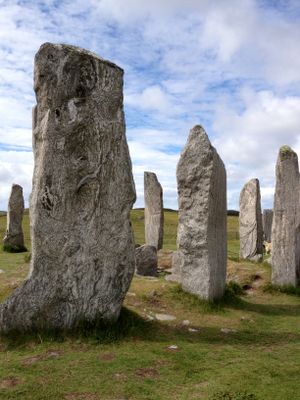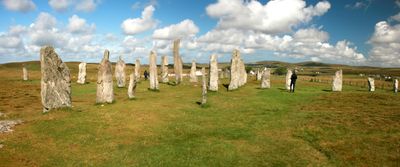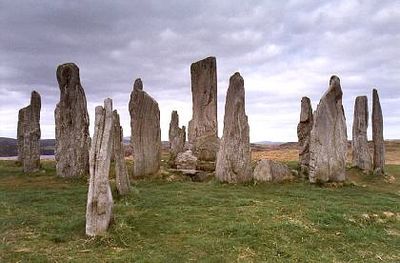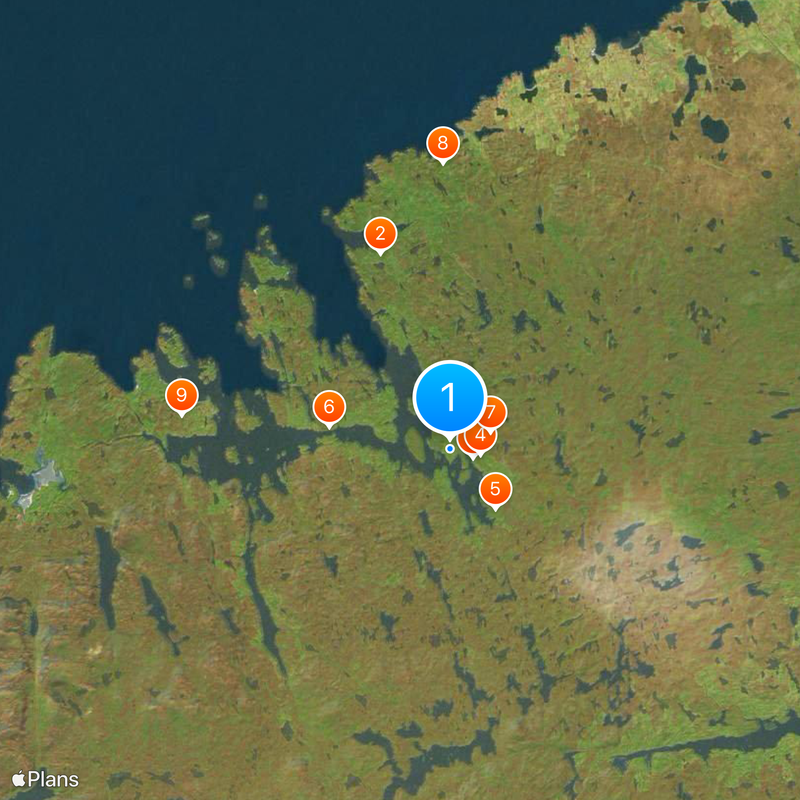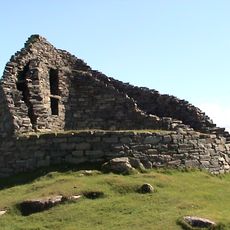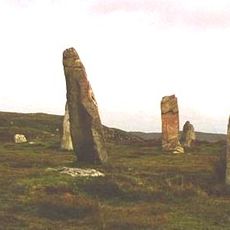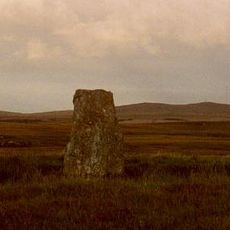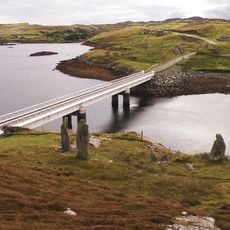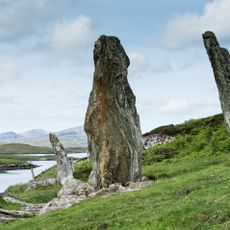
Calanais Stones, Stone circle in Outer Hebrides, Scotland.
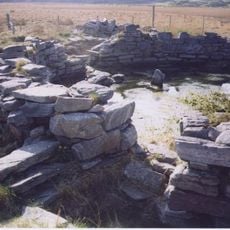
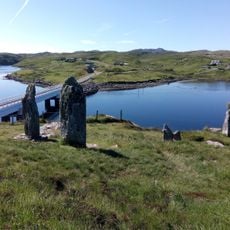
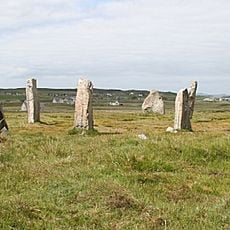
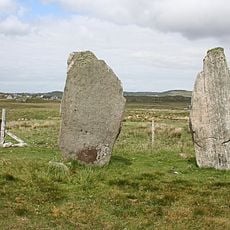
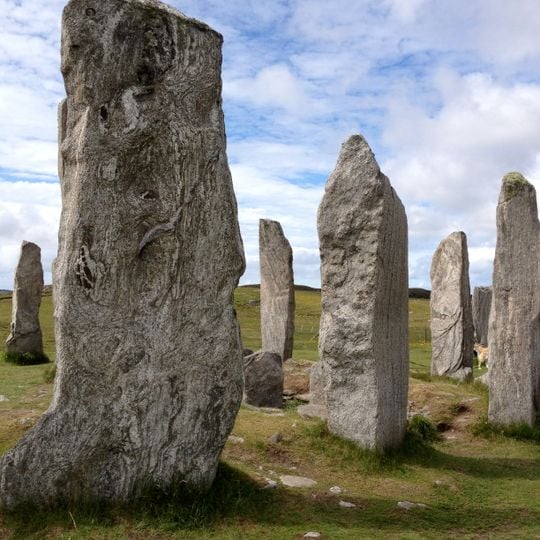
The Calanais Stones form a stone circle on the Isle of Lewis in the Outer Hebrides of Scotland, with rows of standing monoliths extending north, south, east and west from a central ring. At the center stands a tall stone beside the remains of a small burial chamber, surrounded by a circle of further upright stones hewn from the rough gneiss rock of the region.
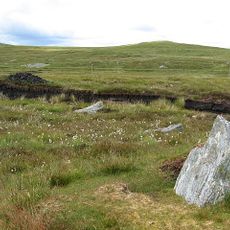
People erected the stone circle around 5000 years ago during the Neolithic period, long before metal tools reached the islands. Later generations added the burial chamber and used the site for centuries until peat covered the lower portions of the stones, which were cleared again in the 19th century.
Locals call the site Calanais, while English-speakers often say Callanish, both names derived from the Gaelic original. On summer evenings, people gather here to watch the sunset casting long shadows across the moor, a tradition that connects modern visitors to the ancient purpose of marking seasonal movements.
The site remains accessible throughout the year, and visitors can walk among the stones even when the wind from the Atlantic blows strong. A visitor center nearby offers toilets and information, open most days with reduced hours in winter months.
Every 18.6 years, the moon rises low on the southern horizon and appears to walk along the stone rows, a celestial event the builders may have tracked. Archaeologists found that the layout aligns with certain lunar positions rather than solar ones, unlike many other stone circles across Europe.
The community of curious travelers
AroundUs brings together thousands of curated places, local tips, and hidden gems, enriched daily by 91,358 contributors worldwide.