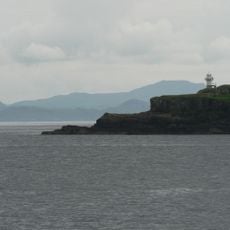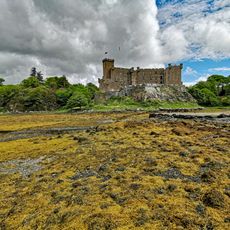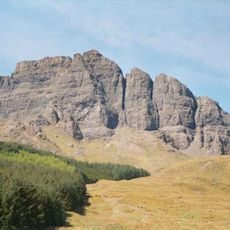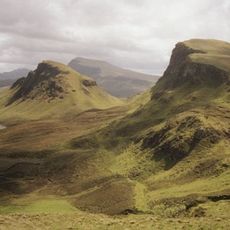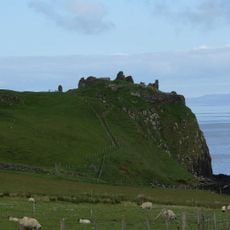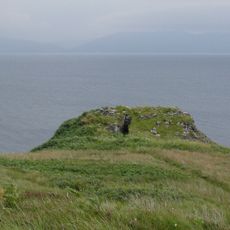
Outer Hebrides, Island chain off northwestern Scotland.
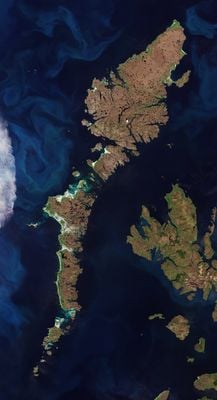
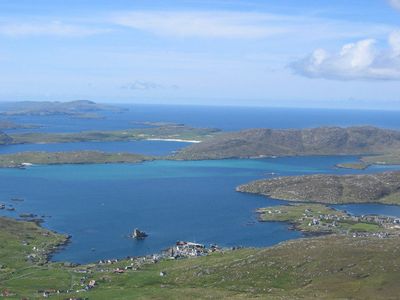
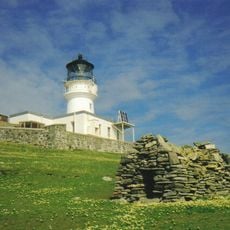
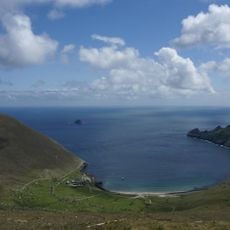
The Outer Hebrides are an island chain off the northwestern coast of Scotland, stretching over 130 miles (210 km) from Lewis in the north to Barra Head in the south and comprising more than 70 islands. The largest inhabited islands, including Lewis and Harris, North Uist, Benbecula, South Uist, and Barra, lie in a line along the Atlantic, separated from the mainland by the channel known as the Minch.
Norse rulers controlled the islands from the 9th to the 13th century, until the Scottish crown gained authority through the Treaty of Perth in 1266. The Lordship of the Isles ended in 1493 when King James IV defeated the MacDonalds and brought the islands under direct crown control.
The Gaelic language shapes daily life across the islands, where many road signs appear in both languages and local radio broadcasts in the old tongue. Crofters work small plots of land along the coasts, while weavers produce Harris tweed in backyard sheds, the rhythmic clack of looms echoing through some villages.
Ferries connect the islands to Ullapool and Oban on the mainland, while flights to Stornoway and Benbecula offer quicker connections. Weather shifts rapidly between sun and rain, so bring windproof and waterproof layers and plan coastal walks for calmer conditions.
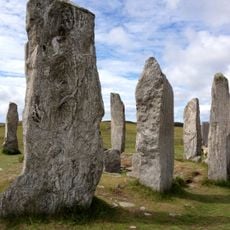
The Callanish Standing Stones on Lewis were raised over 5,000 years ago and rank among Britain's most complete prehistoric monuments. The stones stand in a cross shape on a ridge and remain visible from many points across the island on clear days.
The community of curious travelers
AroundUs brings together thousands of curated places, local tips, and hidden gems, enriched daily by 91,215 contributors worldwide.