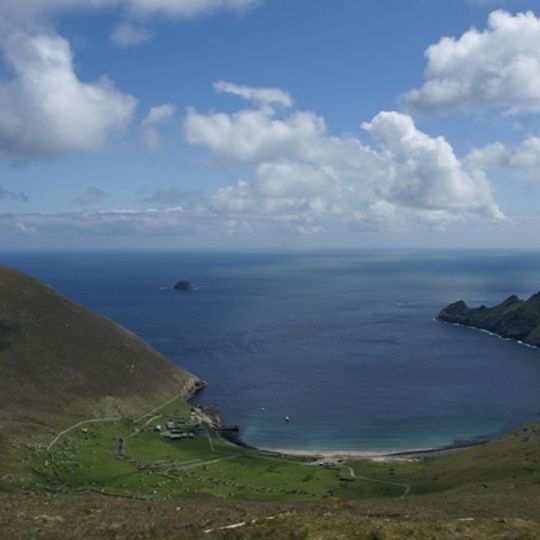
St Kilda, Archipelago in Outer Hebrides, Scotland.
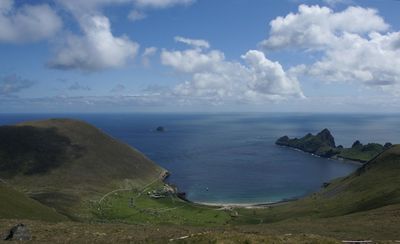
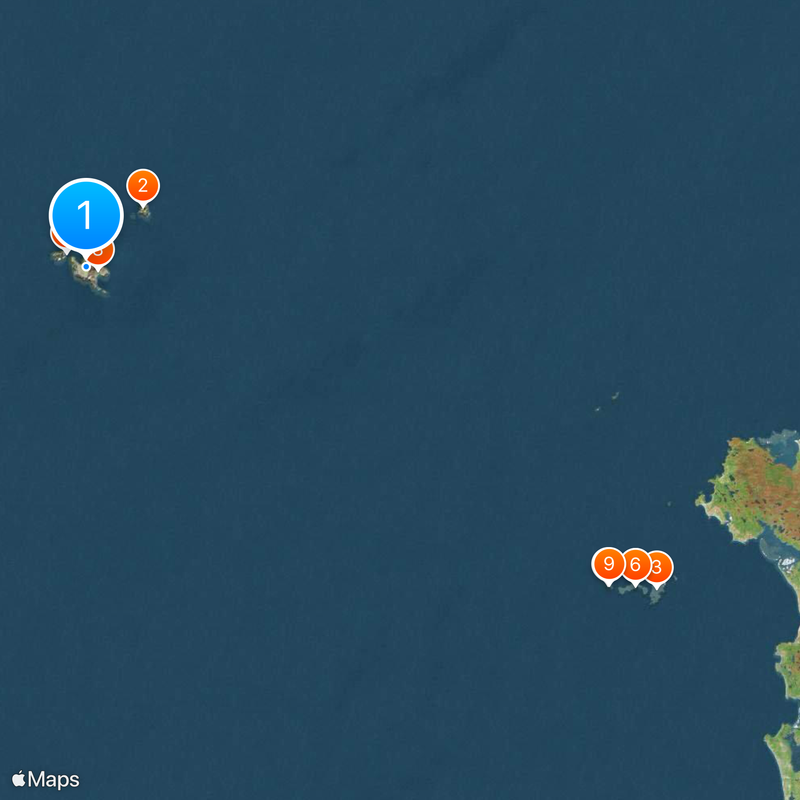
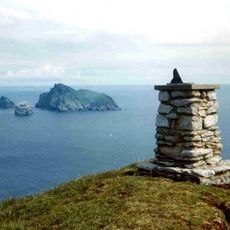
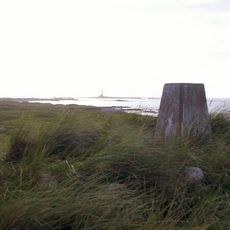
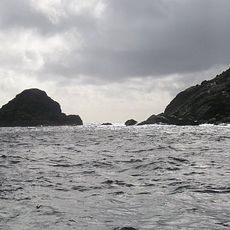
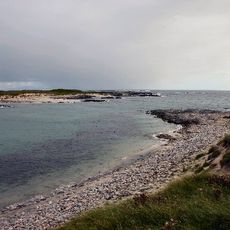
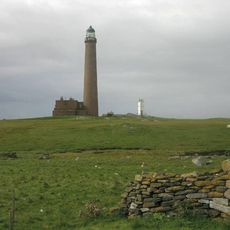
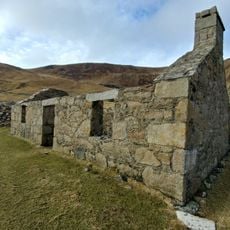
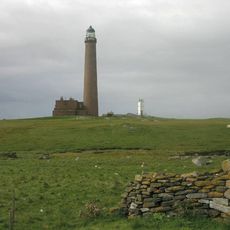
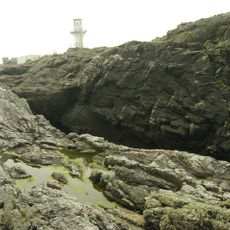
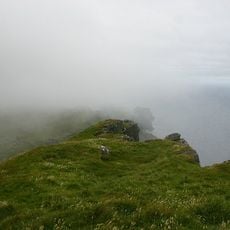
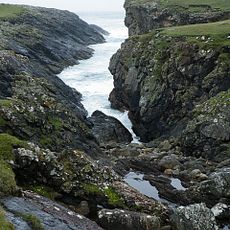
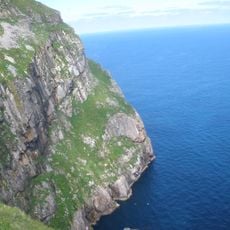
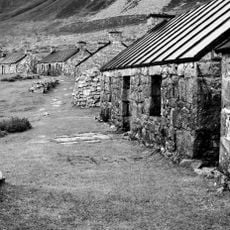
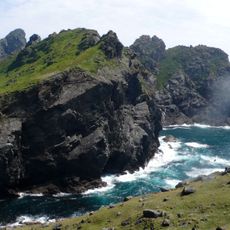
St Kilda is a remote archipelago 41 miles west of Scotland in the Outer Hebrides, home to Europe's highest sea cliffs and vast seabird colonies. The main island Hirta shows the remains of an abandoned settlement, while the smaller islands Soay, Boreray and Dùn form steep rocks and dramatic formations.
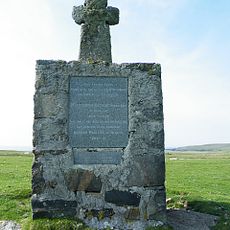
The islands supported human settlements for over 4,000 years until 1930, when the last 36 residents left due to declining population and isolation. UNESCO recognized the area as a World Heritage Site in 1986 for nature and added cultural recognition in 2004.
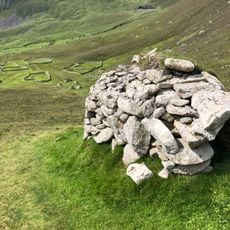
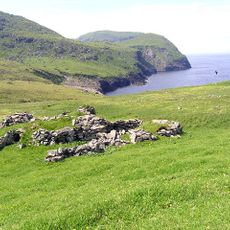
The inhabitants built 1,260 stone structures called cleitean across Hirta to store food and equipment in the harsh climate. These small turf-roofed huts still shape the landscape of the abandoned settlement and show how people adapted to extreme weather conditions.
The National Trust for Scotland runs a small campsite on Hirta for up to six visitors, with stays weather-dependent and limited in duration. Boats travel only in calm seas from Harris, and the crossing takes several hours in often rough conditions.
Two ancient sheep breeds survive on the islands: the Neolithic Soay and the Iron Age Boreray, representing different periods of agricultural history. The animals roam freely and have evolved for thousands of years without human breeding.
The community of curious travelers
AroundUs brings together thousands of curated places, local tips, and hidden gems, enriched daily by 90,855 contributors worldwide.