St Olave Silver Street, Medieval church ruins in City of London, England
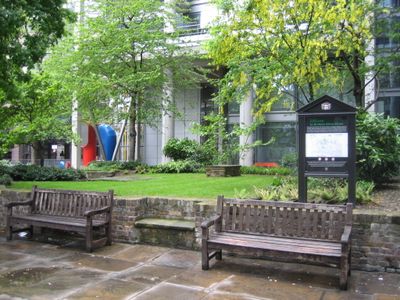
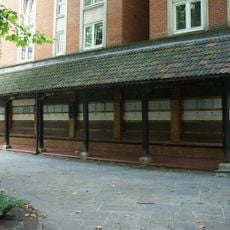
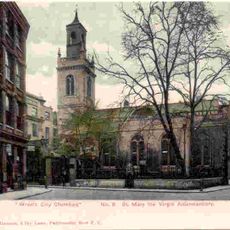
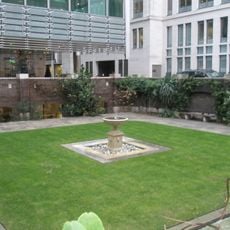
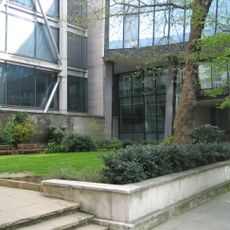
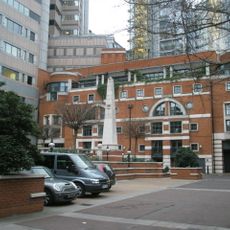
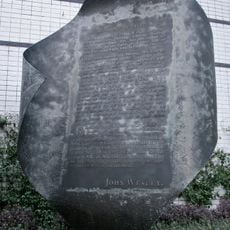
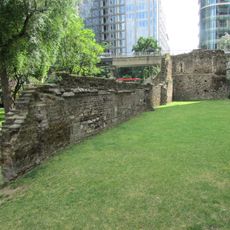
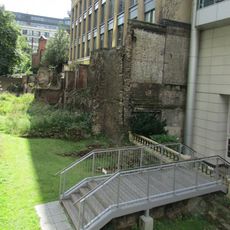
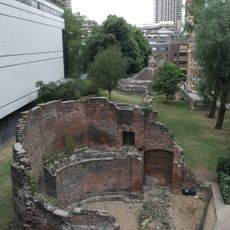
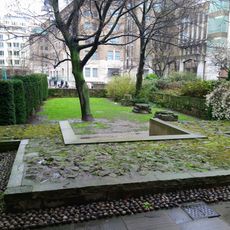
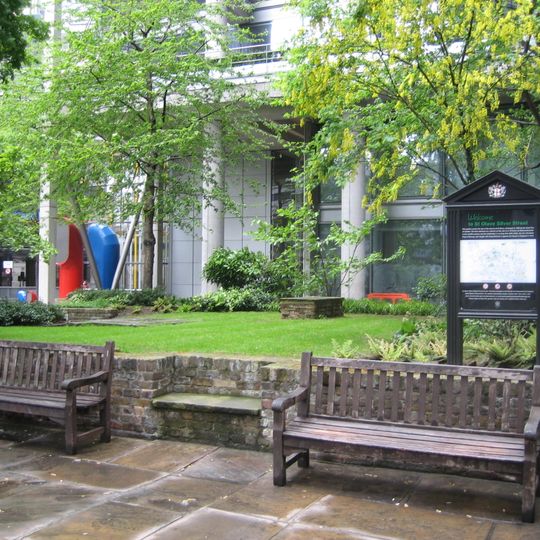
St Olave Silver Street is a church ruin in the City of London, now open as a public garden. Stone tablets and gravestones remain on the site, providing traces of the original building and its role in the neighborhood.
The church, originally called St Olave de Mukewellestrate in the 12th century, served the neighborhood until the Great Fire of London destroyed it in September 1666. The fire left only traces of the structure, which became the public space we see today.
The site honors St Olaf, the first Christian King of Norway, showing the medieval Norwegian community's role in London's religious life. This Scandinavian connection shaped the identity of this corner of the city.
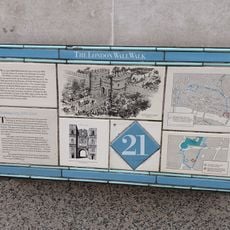
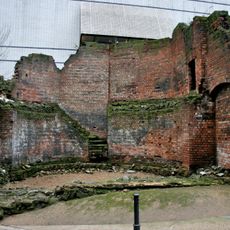
The site sits near London Wall and functions as an accessible public garden open to visitors. It offers a green space where you can walk among the remnants and read historical markers.
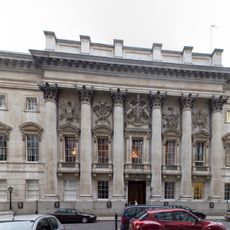
The churchyard served as burial ground for bodies dissected at Barber-Surgeons Hall, earning the nickname 'anatomizer's ground'. This practical role in London's medical history is little known today, yet it marks a hidden chapter in the site's past.
The community of curious travelers
AroundUs brings together thousands of curated places, local tips, and hidden gems, enriched daily by 92,003 contributors worldwide.