Lampugnano, suburb and abolished municipality in Milan, Italy
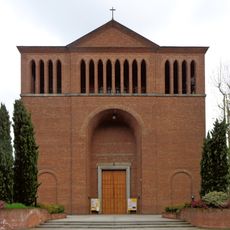
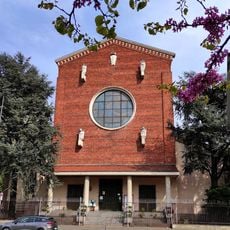
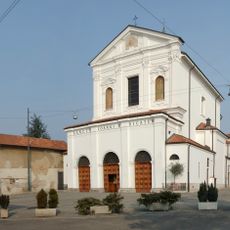
Lampugnano is a neighborhood in western Milan that developed as an independent settlement over many centuries. The area centers on the church of Santa Maria Nascente, built in the early 1600s, which contains artworks from different periods, including works by Paolo Gugliada and a fresco similar to Leonardo da Vinci's school.
Lampugnano first appears in records in the year 776 and remained an independent municipality until 1808. After merging with Milan, the area was later joined with the neighboring Trenno in 1842, ending its status as a separate place.
Lampugnano's name reflects its origins as an independent settlement with deep roots in local trade and community life. The church of Santa Maria Nascente still houses religious artwork and serves as a gathering place for the neighborhood, preserving the spiritual connection that shaped this area for centuries.
The neighborhood is easily accessible and offers good connections to western Milan using public transportation. The church of Santa Maria Nascente is the main point of interest for visitors wanting to explore the area's historical artworks and religious architecture.
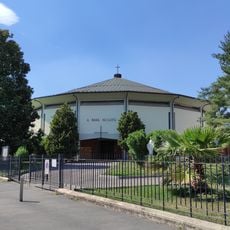
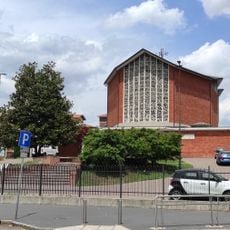
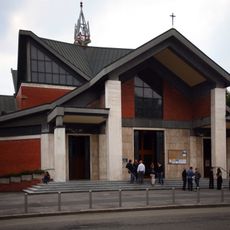
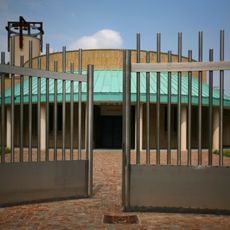
The new church from 1955 has a distinctive tent-like shape that represents the concept of a gathering place. This modernist design was an intentional choice to reflect the growing QT8 neighborhood and stand apart from traditional church designs.
The community of curious travelers
AroundUs brings together thousands of curated places, local tips, and hidden gems, enriched daily by 60,000 contributors worldwide.