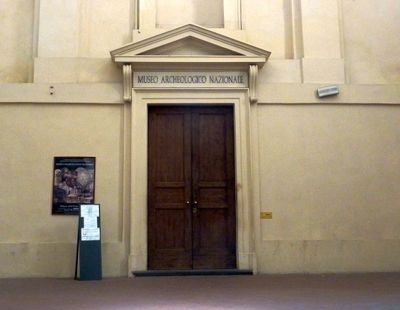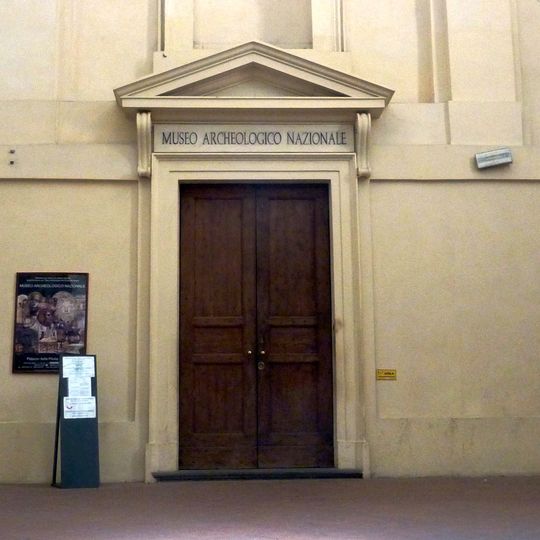
Museo archeologico nazionale di Parma, Archaeological museum in Parma, Italy
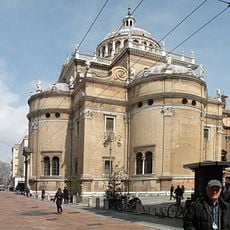
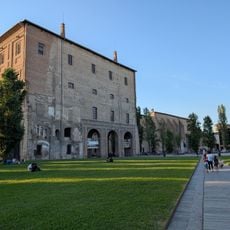
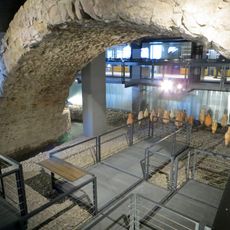
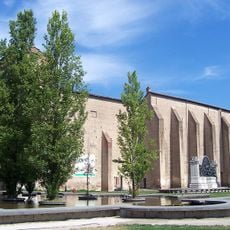
The National Archaeological Museum of Parma is housed within the Pilotta Complex and displays Roman excavation finds, Egyptian objects, and prehistoric regional discoveries across two exhibition floors. The collections span multiple ancient civilizations and time periods.
The museum was founded in 1760 by Duke Filippo I to preserve discoveries from the Roman settlement of Veleia and became one of northern Italy's first archaeological institutions. This early establishment shaped it as a pioneer in preserving and presenting Roman archaeology.
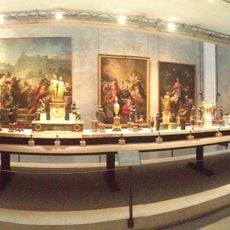
The museum displays artifacts from Greek, Etruscan, and Italic cultures that show how different ancient societies lived and interacted. Visitors can observe the artistic styles and daily practices of these peoples reflected in the objects on display.
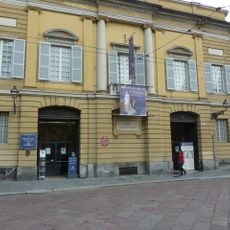
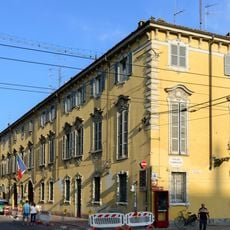
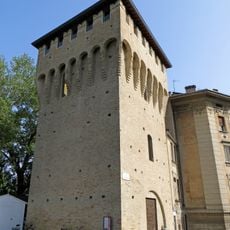
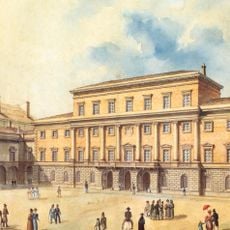
The museum is located within the Pilotta Complex and maintains regular weekday and weekend hours, with combined tickets offering access to multiple cultural venues in the building. Visitors should allow sufficient time to explore the exhibitions across both floors thoroughly.
A special section displays approximately 430 scarabs from ancient Egypt dating between 2100 and 525 BC, along with sarcophagi, canopic jars, and papyri. This Egyptian collection shows how objects from distant cultures made their way to Italy.
The community of curious travelers
AroundUs brings together thousands of curated places, local tips, and hidden gems, enriched daily by 91,994 contributors worldwide.