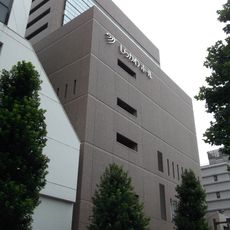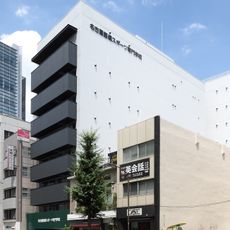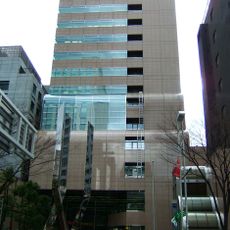
Nagoya City Science Museum, Science museum in Sakae district, Nagoya, Japan
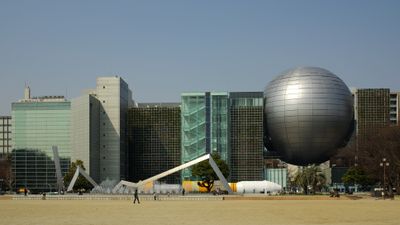
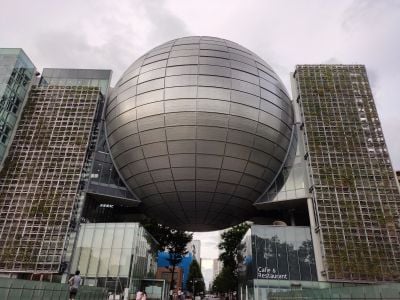
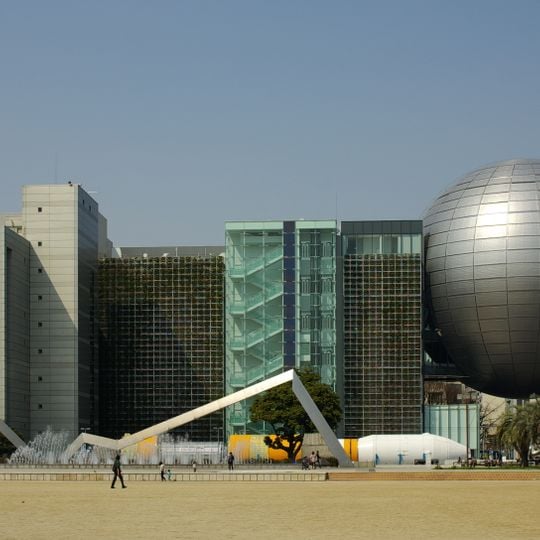
Nagoya City Science Museum is a science museum in the Sakae district that spans seven floors and rises from Shirakawa Park with a silver sphere on its roof. Five levels host permanent exhibits featuring laboratories for electric discharge, tornado simulation, and deep freezing experiments, while the sphere itself contains a planetarium.
The building opened on November 3, 1962, and became a landmark for science education across the Nagoya metropolitan area. The sphere was added later, transforming the museum into a destination for astronomy enthusiasts from across Japan.
The name reflects the city's commitment to making science accessible to residents and school groups throughout the Chūbu region. Families often gather in the interactive zones on weekends, while students visit during weekdays to engage with hands-on demonstrations.
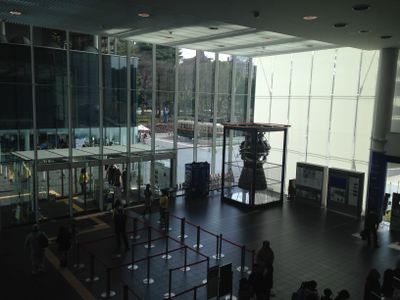
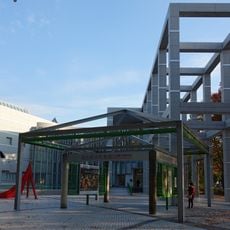
The entrance sits within Shirakawa Park and can be reached on foot from Fushimi Station. Weekdays see fewer visitors, while weekends bring more families with children, especially for planetarium shows.
The planetarium dome measures 35 meters (115 feet) in diameter, making it the largest in the world where visitors can watch star projections under a silver vault. The architects at Nikken Sekkei designed the sphere to reflect light during the day and glow like a celestial body above the park at night.
The community of curious travelers
AroundUs brings together thousands of curated places, local tips, and hidden gems, enriched daily by 91,760 contributors worldwide.