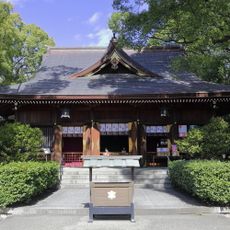
Nagoya City Art Museum, Art museum in Shirakawa Park, Nagoya, Japan
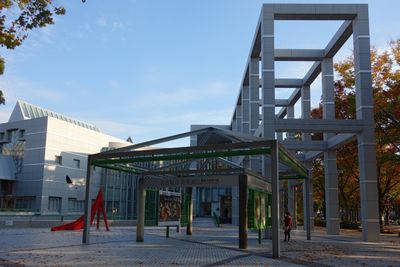
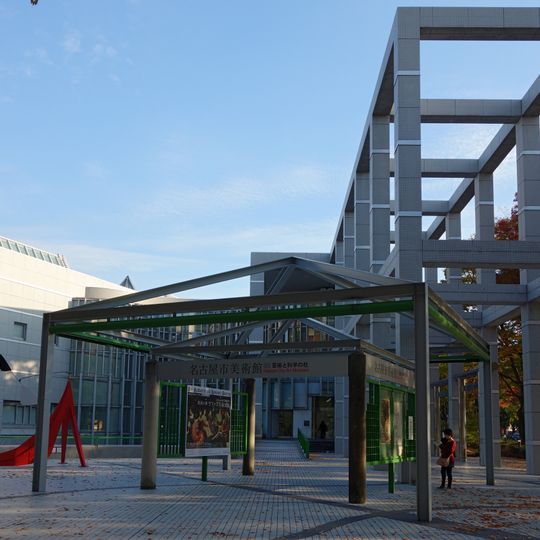
Nagoya City Art Museum is a cultural institution in Shirakawa Park with multiple floors and modern architecture that combines geometric shapes, glass panels, and concrete elements. The layout follows Japanese architectural principles and creates spaces for different types of artworks and exhibitions.
Planning began with the 1977 Nagoya City Basic Plan, which called for an art museum. A museum investigation committee was set up in 1982, collection started in 1983, and Kisho Kurokawa's office designed the building. Construction ran from 1985 to 1987, and the museum opened on 22 April 1988.
The collection began in 1983 around local art of the Nagoya region, then added three further areas: École de Paris, Mexican Renaissance and contemporary art. The École de Paris link comes through Inazawa-born painter Takanori Ogisu; the Mexican Renaissance through Seto-linked Tamiji Kitagawa, who worked in Mexico, and the sister-city tie with Mexico City. Works include Frida Kahlo's "Girl with Death Mask" and Diego Rivera's "Proletarian Unity".
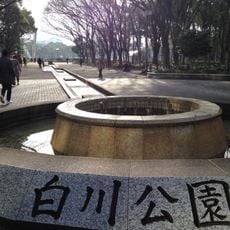
The museum is in Shirakawa Park, a short walk from Fushimi, Osu Kannon and Yabacho subway stations. The galleries and storage are below ground, with temporary exhibition rooms on two floors above; a sunken garden brings daylight into the approach to the lower galleries.
The museum keeps its permanent galleries and storage below ground, so the building stays lower than the trees of Shirakawa Park. A sunken garden brings daylight down to the approach of those underground rooms. The above-ground floors hold the special exhibition rooms.
The community of curious travelers
AroundUs brings together thousands of curated places, local tips, and hidden gems, enriched daily by 93,165 contributors worldwide.