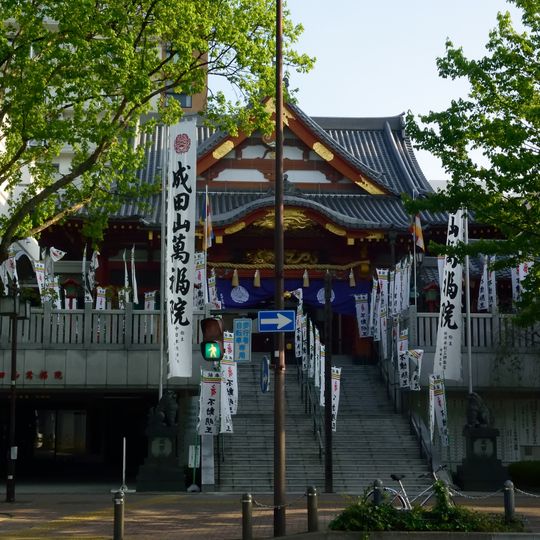
Manpukuin, Buddhist temple in Naka-ku, Japan
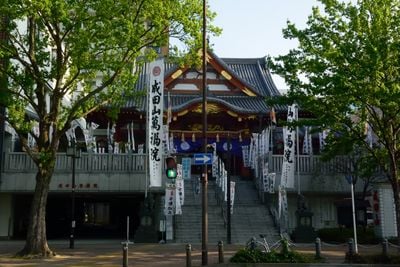
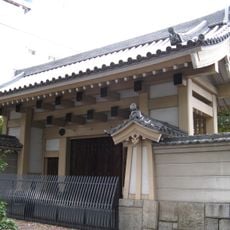
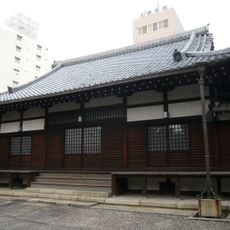
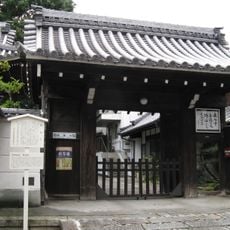
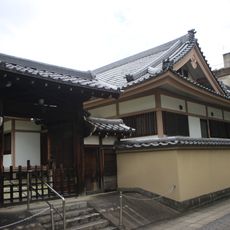
Manpukuin is a Buddhist temple in Naka-ku, Japan, made up of teak-wood buildings linked by covered walkways lined with traditional lanterns and framed by pine trees. The layout follows the Chinese Buddhist building tradition, which makes it architecturally unlike most other temples found in Japan.
The temple was founded in 1661 by a Chinese monk named Yinyuan Longqi, who preserved the Chinese roots of the monastery in both its design and daily life. For many generations, Chinese abbots led the community, keeping a direct link with Buddhist traditions from the mainland.
The wooden printing blocks kept at this temple are still used to produce religious texts, making it one of the few places in Japan where this craft has remained active. Visitors can see these blocks on display in certain parts of the grounds, giving a direct sense of how traditional publishing once worked in a monastic setting.
It is possible to join meditation sessions or copy Buddhist texts, and vegetarian temple meals are available with advance reservation. It is worth leaving extra time to walk the paths between the buildings without rushing.
The temple buildings are arranged in the shape of a dragon, a symbolic layout that is rarely seen in Japanese temple design. This pattern is most apparent when the complex is viewed from a raised point, revealing a plan that follows Chinese architectural thinking rather than Japanese conventions.
The community of curious travelers
AroundUs brings together thousands of curated places, local tips, and hidden gems, enriched daily by 92,309 contributors worldwide.