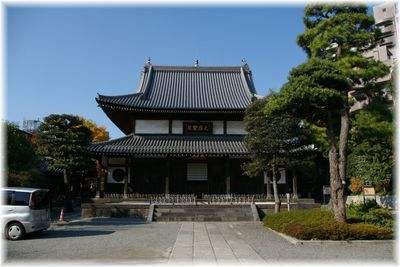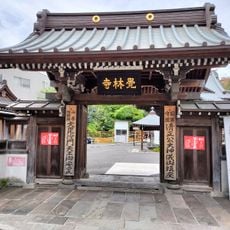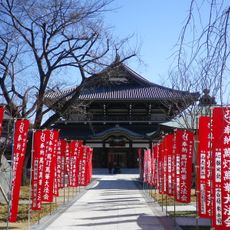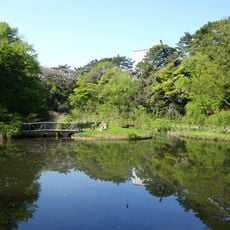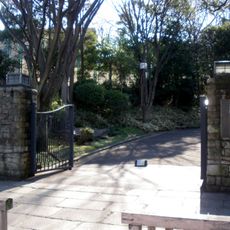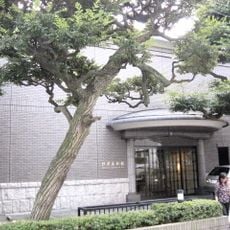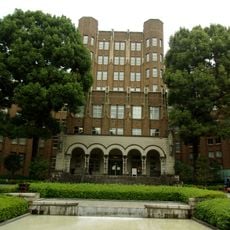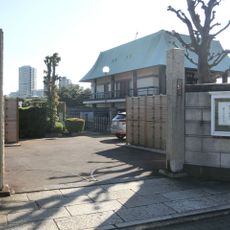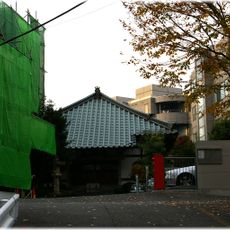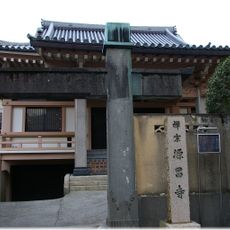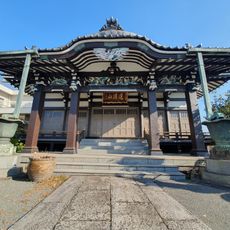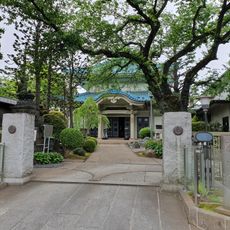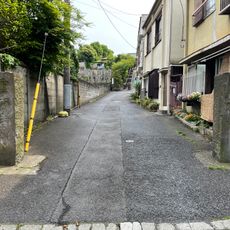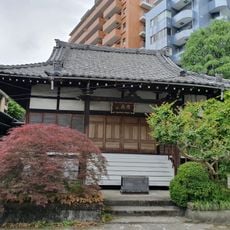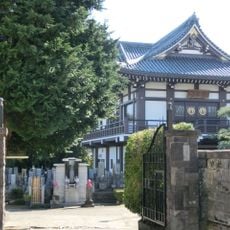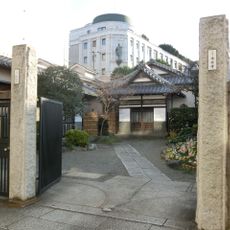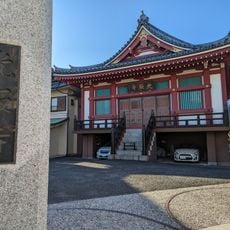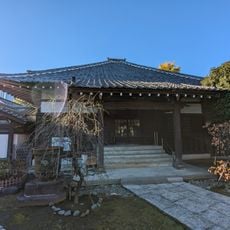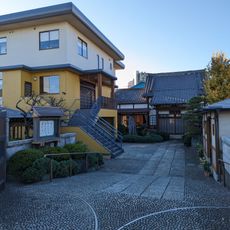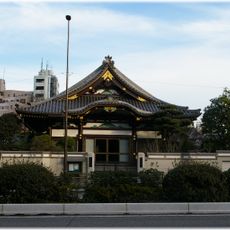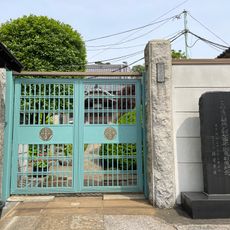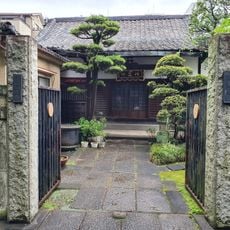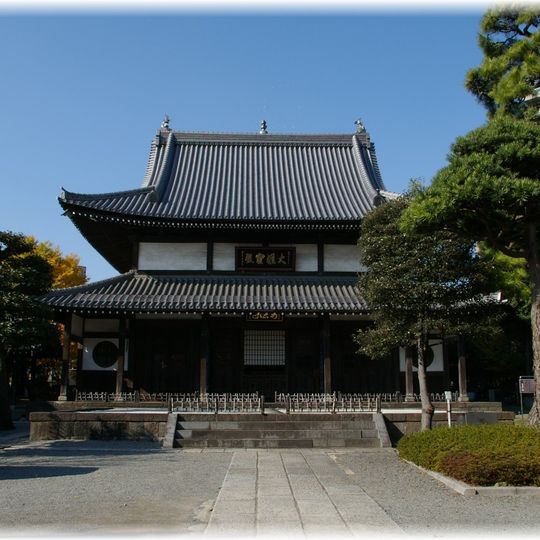
Zuishō-ji, Buddhist temple in Shirokanedai, Tokyo, Japan.
Zuishō-ji is a Buddhist temple in the Shirokanedai neighborhood whose Main Hall holds the status of an Important Cultural Property of Japan, combining traditional Japanese architecture with Buddhist design elements. The building displays characteristic features of the Zen tradition through its carefully arranged spaces and details.
The temple was founded in 1670 and became an important center of the Ōbaku school of Zen Buddhism during the Edo period. This school introduced new monastic practices to Japan and shaped the region's religious landscape.
The temple forms part of a pilgrimage route dedicated to the Seven Gods of Fortune and houses a statue of Hotei, one of these revered deities. Visitors can see this religious figure displayed in its original setting and understand the local worship practice.
The temple sits less than a minute from Hakusan Station and is open daily without entrance fees. Visitors should come prepared for traditional visiting hours and dress respectfully.
The temple bell cast in 1759 now resides in the Museum of Ethnography in Geneva, representing an unusual case of cultural property relocation. This bell is a striking example of how collections became dispersed across continents.
The community of curious travelers
AroundUs brings together thousands of curated places, local tips, and hidden gems, enriched daily by 92,398 contributors worldwide.